
Best Window Film for Heat Reduction: Top Options for Pacific Northwest Properties
Finding the best window film for heat reduction matters in the Pacific Northwest, where late-afternoon sun on west- and south-facing glazing can heat rooms dramatically while you still want daylight and view retention. This guide compares film technologies and specific products, covers compatibility with low-E and insulated glass, gives conservative cost ranges, and explains what a local professional assessment should include so you can choose the right film for your home or storefront.
1. 3M Prestige Series (multi-layer spectrally selective)
Direct point: 3M Prestige is the practical go-to when you need real heat rejection without turning living spaces into caves. Its multi-layer, metal-free nano construction blocks a large portion of infrared energy while keeping visible light transmission high — exactly the balance Pacific Northwest properties usually require.
Technology in practice: The Prestige line uses dozens of microscopically thin layers to reject heat spectrally rather than by dark tint or metal. That matters in PNW homes and downtown offices where retaining daylight and outward views is a priority and where metalized films can cause unwanted reflectivity or radio interference.
- Pros: Preserves daylight and color, strong infrared and UV rejection, metal-free so no signal issues, long manufacturer support when installed by an authorized dealer.
- Cons: Premium price compared with dyed or basic films; you must use an authorized installer for full warranty; verify compatibility on certain low-E coatings and sealed IGUs before installation.
Installation and warranty notes
Practical consideration: Manufacturer warranties from 3M require authorized dealer installation and proper job prep. That is not paperwork for its own sake — installers flag IGU edge conditions, low-E coating types, and frame details that change long-term performance. Ask your installer for product data sheets showing VLT and SHGC and for warranty registration as part of the quote. See our primer on film types for context: Tint Film Types and Uses.
Trade-off judgment: Many shops sell darker, cheaper metalized films by promising quick heat drop. That works in raw numbers but costs daylight, view, and often causes signal issues in urban units. For most PNW residential and many commercial facades, spectrally selective films like Prestige deliver the better real-world outcome — modestly higher upfront cost, far better living comfort and resale aesthetics.
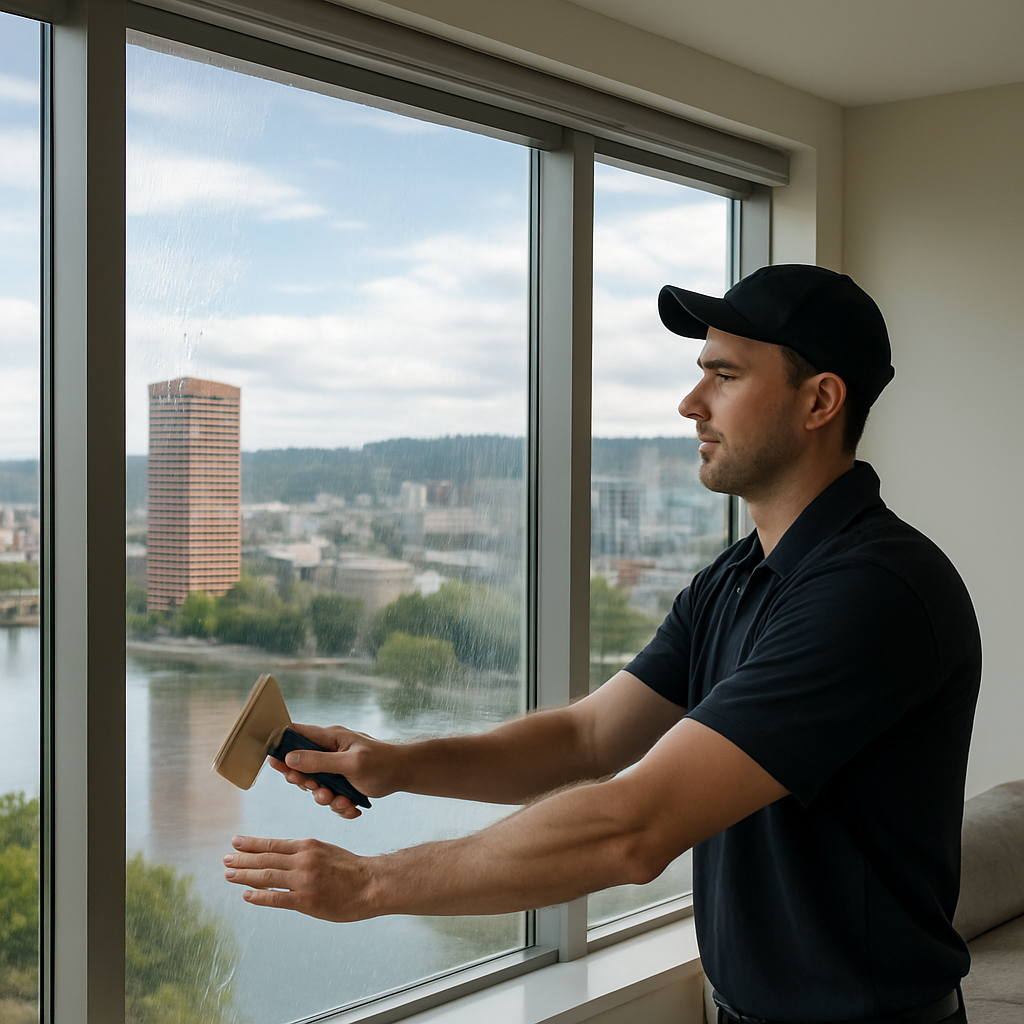
Concrete example: A west-facing Portland condo with large living-room glazing had visible afternoon glare and hot spots. Installing 3M Prestige preserved the view and daylight while noticeably reducing peak surface temperatures; occupants reported shorter AC runtime during heat spikes and no perceptible darkening of the room.
2. Huper Optik Ceramic IR Series
Huper Optik Ceramic IR Series: a ceramic-based film family built to reject infrared energy while keeping windows visually clear. This line is not about making windows dark; it is about cutting the heat you feel from sun-facing glass while preserving daylight and view.
How it works: Huper Optik uses ceramic nanoparticle layers that target the infrared portion of the solar spectrum without relying on metalization. That reduces heat transmission and avoids radio frequency interference common with older metalized films. See manufacturer details at Huper Optik.
- Pros: High infrared rejection with good visible light transmission, stable color over time, minimal reflectivity so storefronts and historic homes look natural
- Cons: Premium price compared with basic dyed films, some SKUs have lower VLT so pick the exact variant to match daylight goals
- Installer dependency: Performance and warranty depend on correct substrate assessment and authorized installation
Practical limitation: Ceramic IR films reduce radiant heat but they do not change insulating value of the glass itself. On older single pane windows or failing insulated glass units the comfort gain will be limited. Also, applying any high-performance film can increase thermal stress on an insulated glass unit when the IGU is already aged; an on-site check for seal integrity and glass age is essential before committing to installation.
Concrete example: A custom home in Bend with large west-facing glazing installed Huper Optik Ceramic IR on the primary living room. The homeowner kept the same daylight levels and view, reported noticeably cooler evenings on sunny days, and reduced the runtime of a supplemental wall AC unit. The installer verified IGU condition and selected a mid-VLT Ceramic IR film so the room did not darken.
- Selection tips: Request a film sample chip in the VLT you are considering and view it on-site at midday
- Compatibility check: Ask the installer to document IGU manufacture date and any low-E coatings before installation
- Cost note: Expect a premium over basic films; factor longevity and non energy benefits like UV blocking and fade protection into ROI
Best fit: West and high-sun exposures where preserving daylight and signal integrity matter more than the lowest upfront cost.
3. Tinting Oregon professional installation and custom film packages
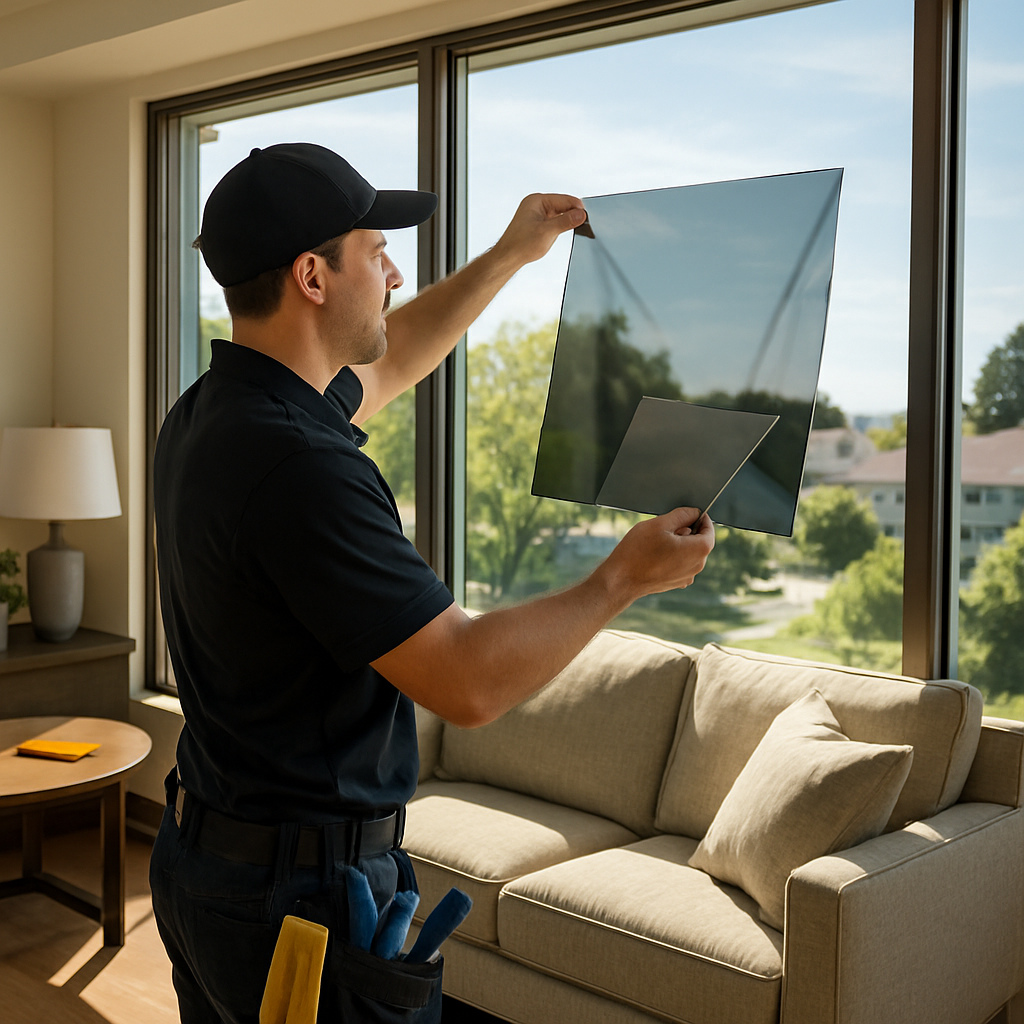
Hard fact: the installer is often the deciding factor between a film that performs to spec and one that fails to meet expectations. Tinting Oregon provides on-site measurements, compatibility checks with low-E and IGUs, and manufacturer-backed warranty registration for the major lines used in the PNW.
What Tinting Oregon does on site
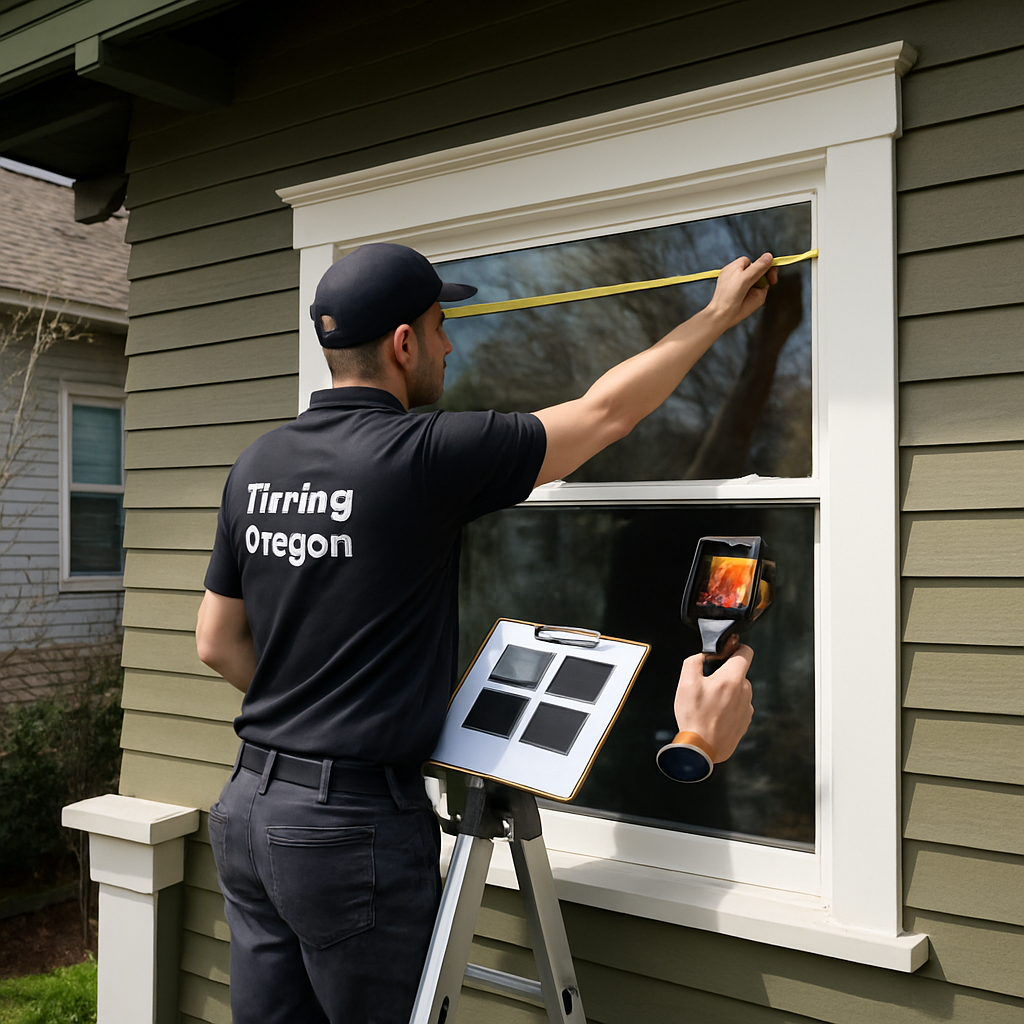
- Glass and framing audit: identify single pane vs IGU, visible coatings, spacer condition, and any existing film that must be removed.
- Shading and orientation analysis: record west and south exposures and perform a simple shading study to predict sun angles and peak load windows.
- Performance projection: provide ___CODE0 and CODE1___ estimates for candidate films, with sample chips on the actual windows so you can judge daylight and view loss.
- Technical checks: test for signal interference risk from metalized films, plan edge clearance and sealant details for tempered or laminated glass, and flag warranty constraints for low-E coatings.
- Documentation and warranty: register installations with manufacturers such as 3M, Huper Optik, LLumar, Solar Gard, or Madico so warranties remain valid.
Practical limitation: on-site work often reveals issues that change scope and cost, for example failed IGUs, bowed frames, or previously applied films that must be removed. Expect the estimate to include removal and inspection charges; that is not optional on many older homes.
Tradeoff to accept: a premium authorized installation increases upfront cost but protects long term performance and warranty claims. If you pick the cheapest installer or go DIY on spectrally selective ceramic films, you are the one assuming installation risk and likely voiding manufacturer support.
| Estimate component | What it covers |
|---|---|
| Materials | Film, liner, edge seal if required, and manufacturer registration fees |
| Labor | Measure, cut, fit, squeegee, edge finishing, and cleanup |
| Removal | Old film removal, IGU inspection, possible glazing repairs |
| Testing | Thermal imaging or mockup installs on critical exposures |
Concrete example: In a Northwest Portland retrofit, Tinting Oregon performed a thermal scan and found pronounced afternoon glazing heat on a top floor living room. They proposed a high-VLT spectrally selective film, supplied film chips for live comparison, completed the install over two days, and registered the job with the manufacturer so the homeowner retained a full warranty.
Key point: ask for sample chips on your windows, not just in the office. The same film will read different on east, south, and north exposures.
Judgment you will not hear everywhere: local installers who also act as authorized dealers are worth the premium in the PNW. They understand local codes, HOA aesthetics, and how seasonal sun angles interact with typical west and south glazing. That knowledge reduces costly rework and bad product matches.
Next consideration: if you want accurate, site-specific performance predictions and a warranty that matters, schedule an on-site assessment with an authorized local installer and compare their ___CODE0/CODE1___ projections to a neutral third party source such as the U.S. Department of Energy Window Film guidance. For background on film types and uses see Tint Film Types and Uses: From Glare Reduction to Heat Control | Tinting Oregon.
4. LLumar Vista Spectrally Selective and AIR Series
Key point: LLumar Vista and the AIR series are the practical choice when you want measurable heat reduction without the mirrored look of older metalized films. Both lines are LLumar's spectrally selective options intended to cut solar heat while keeping high visible light transmission, which makes them a frequent pick for storefronts and homes that cannot lose daylight or curb appeal.
Strengths, trade-offs, and when they matter
- Pros: Good balance of visible light preservation and solar heat control; low reflectivity for a natural appearance; broad range of VLT choices to match display windows or living rooms.
- Cons: Spectrally selective performance varies by VLT — darker tints usually reject more heat; Vista/AIR cost is higher than basic dyed or metalized films; check specific SHGC and TSER figures rather than assuming all are equal.
- Real-world limit: Older LLumar metalized lines still exist in the market and will boost reflectivity and can interfere with signals — pick Vista or AIR specifically to avoid those issues.
Practical insight: For commercial façades you can often pick a higher VLT Vista/AIR film that maintains display visibility while dropping peak solar gain. For residential west-facing picture windows, a mid-VLT spectrally selective film gives the best trade-off between heat control and preserving view.
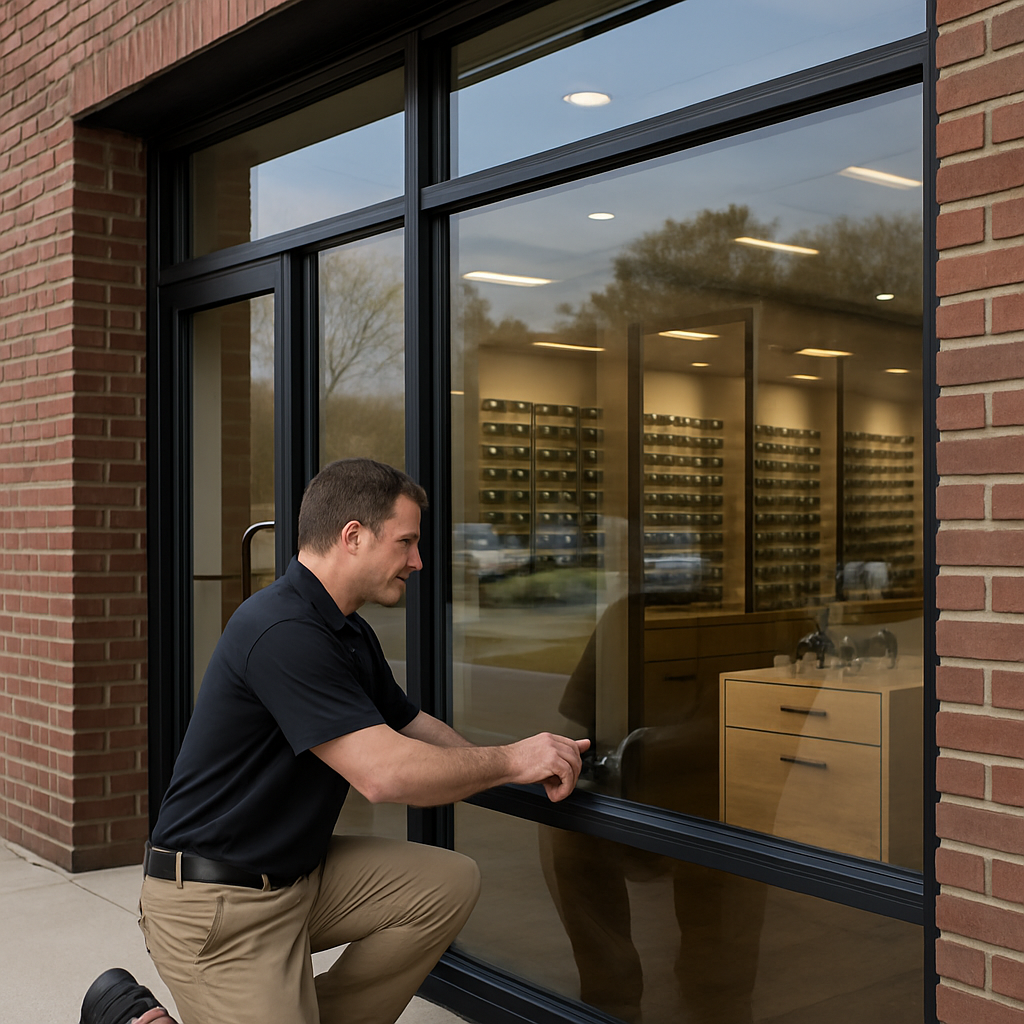
Concrete example: A Salem retail owner applied LLumar Vista to large west-facing display windows to protect merchandise and reduce afternoon glare. The shopkeeper kept the same window brightness for passersby, reported noticeably cooler afternoons near the storefront glass, and avoided the mirrored look that would have hurt curb appeal.
Compatibility and installation caveat: Vista and AIR work on most IGUs and low-E glass, but performance and warranty depend on correct installation and product selection. Ask your installer for SHGC, VLT, and total solar energy rejection numbers for the exact film sample, and confirm manufacturer warranty registration through an authorized dealer.
| Product line | Best use case |
|---|---|
| LLumar Vista | High-visibility storefronts and homes where neutral appearance and daylight retention matter |
| LLumar AIR | Architectural commercial glazing with a need for multiple VLT options and consistent aesthetics |
5. Solar Gard Ultra Performance Series
Straight assessment: Solar Gard Ultra Performance is a practical choice when durability and high total solar energy rejection matter more than invisible optics. It is built for large glass areas on commercial and multifamily buildings where lowering peak glazing temperatures and long term coating stability are priorities.
Important tradeoff: Some Ultra Performance formulations are metalized or have higher exterior reflectivity to achieve strong heat rejection. That gives excellent short term heat control but can increase visible reflectance, change the facade appearance, and in some installations cause radio or cell signal interference. For Pacific Northwest homeowners who value daylight and unobstructed views, pick lower reflectivity or ceramic/spectrally selective variants.
Installation consideration: Solar Gard films often use hard coated surfaces and robust adhesives which improve scratch resistance and longevity but also require meticulous edge clearance and proper curing. On insulated glass units and low-E coatings, an on site compatibility check is non negotiable to avoid thermal stress or warranty problems. Always register warranty through an authorized installer.
Concrete example: A downtown Portland office with a west facing curtain wall installed Solar Gard Ultra Performance reflective film to tame late afternoon solar gain. The result dropped peak interior temperatures and cut glare for workstations but produced a noticeable exterior sheen that required tenant and design team approval before installation.
- Pros: durable coatings and long life cycle performance, strong total solar energy rejection, wide range of VLT and reflectivity options
- Cons: higher reflectivity variants can alter building appearance and cause signal interference; some options reduce visible light noticeably compared with spectrally selective films
- Best fit: commercial facades, multifamily buildings, and residential windows where longevity and aggressive heat control are prioritized over invisible aesthetics
Final judgment: Solar Gard Ultra Performance works best when owners accept a visible tradeoff for robust heat rejection and durability. For Portland storefronts or Bend multifamily projects that need hardwearing performance and candid aesthetics, it is one of the top practical choices. For homes where daylight and low reflectivity matter most, insist on a spectrally selective or ceramic specification during your estimate.
6. Madico Sunscape Spectrally Selective Films
Direct point: Madico Sunscape is built around a neutral, low-reflectivity look — it favours preserving the glass appearance and daylight over squeezing the last few percentage points of solar heat rejection.
How Sunscape fits the Pacific Northwest trade-offs
Performance vs appearance: Spectrally selective Sunscape formulations target infrared and UV while keeping visible light transmission high and color neutral. In practice that means you get measurable heat and fading control without the mirrored look metalized films produce — useful in Portland and Eugene neighborhoods where exterior appearance or historic window sightlines matter.
- Pros: Neutral aesthetics that maintain original window character; effective UV blocking for furniture and artwork protection; available through regional dealers so you can see sample chips on your windows.
- Cons: Generally not the absolute top performer for IR rejection when compared to premium ceramic IR films; dealer-specific product names and limited SKUs mean you must confirm the exact data sheet during quoting.
- Unique point: Less likely than metalized films to cause visible reflectivity, but also less likely than ceramic nano-films to deliver maximum heat rejection per unit VLT.
Practical consideration: If your priority is keeping daylight and view while reducing fading and moderating afternoon warmth, Sunscape is a sensible middle ground. If you need the highest possible heat rejection on west-facing glass in Bend, expect to compare Sunscape against ceramic options and accept a small performance gap.
Concrete example: A historic craftsman in Southeast Portland wanted to keep original single-pane sash visible from the street while cutting interior fade and afternoon heat. We specified a mid-VLT Sunscape spectrally selective film so sheets and woodwork stayed bright from inside, glare was reduced, and occupants reported noticeably cooler afternoons without changing the exterior appearance.
What to verify at estimate time: Ask the dealer for the exact product code and the manufacturer data sheet showing VLT, total solar energy rejection (TSER), and UV blocking. Because Madico lines and naming vary by distributor, sample chips on your actual glass matter — don’t accept generic descriptions.
Next step: If appearance is a deciding factor, bring Sunscape chips to site evaluation and compare them against 3M Prestige and a ceramic IR sample under your own afternoon light. See our primer on film types for context: Tint Film Types and Uses: From Glare Reduction to Heat Control | Tinting Oregon.
7. How to choose the right film for your Pacific Northwest property
Start with the glass and the problem you actually feel. Measure which windows bake in afternoon sun, which rooms need daylight, and whether you have low-E or insulated glass units. The right film is the one that matches those constraints, not the highest heat-rejection number on a brochure.
Decision checklist
- Orientation: west- and south-facing glazing need stronger infrared control; north-facing rooms usually need anti-glare rather than heavy heat-blocking.
- Glass type: confirm
IGUor low-E coatings before quoting—some coatings change how a film performs and may void a glass warranty if misapplied. - Priority: choose view preservation (high VLT, spectrally selective) or maximum heat cut (lower VLT or multilayer ceramic). You usually can’t have both at the absolute extreme.
- Signals and reflectivity sensitivity: if you rely on in-window antennas or are near radio gear, avoid metalized films; pick non-metal, ceramic or multi-layer nano films.
- Budget vs lifetime: durable ceramic/spectrally selective films cost more up front but keep optical clarity and color stability longer—cheaper films often need replacement or look aged sooner.
| Situation | Recommended film type |
|---|---|
| Large west-facing picture windows where you want to keep the view | Spectrally selective or high-VLT ceramic |
| South-facing rooms in Central Oregon with strong solar load | Mid- to low-VLT ceramic with high IR rejection |
| Historic or architecturally sensitive windows | Neutral, low-reflectance spectrally selective films |
| Storefronts with display lighting and signal equipment | Durable spectrally selective or hard-coated films (avoid metalized) |
Concrete example: A two-story midcentury home in Bend had hot afternoons in the living room and preserved views were a priority. We measured glass orientation, brought sample chips, and recommended a mid-VLT ceramic film installed on the west facade—residents kept daylight, interior temps dropped visibly during peak sun, and no signal issues appeared because the film was non-metallic.
Cost and ROI reality: expect installed pricing to range roughly $4–$8 per sq ft for basic films, $8–$14 for quality metal-free/spectrally selective options, and $12–$20+ for premium ceramic lines. Payback depends on cooling usage; in homes with air conditioning you can see the clearest ROI. Don’t buy film solely as an energy investment—UV protection and reduced fading are often the faster, more certain returns.
- Install checklist for your estimator: ask for sample chips, measured VLT and SHGC numbers, confirmation of low-E compatibility, expected cure time, and whether the installer will register the warranty with the manufacturer.
- Red flags: sellers who quote only percent heat rejection without VLT/SHGC data, or who push metalized films when you mention antennas or display windows.
Choose the lowest-visual-impact film that meets your heat-control needs; in the PNW that trade-off usually favours spectrally selective or ceramic, not the darkest film available.
Next consideration: after you pick a target film class, validate performance with the installer’s sample data and a written warranty registration—those two checks separate a good long-term result from a temporary fix.
