
Low-E Window Film Benefits: How It Lowers Heating and Cooling Costs in Oregon
If you want to cut winter heating and summer cooling costs without the expense and disruption of full window replacement, low-e window film benefits are worth a close look. This post explains how retrofit low-e films work in Pacific Northwest climates, gives realistic energy and cost savings for Portland, Salem, Eugene, and Bend, and compares film to replacement windows and other retrofit options. You will also get practical next steps on product selection, local rebates, and what a professional assessment should include so you can run the numbers and decide.
How low-e window film reduces heat transfer
Direct effect: Low-e window film cuts heat transfer mainly by lowering the window surface emissivity and rejecting the infrared portion of sunlight. That does two practical things: it reduces radiant heat coming into a room on sunny days and it lowers the rate at which warm interior radiation escapes to a cold exterior at night.
How the physics matters in practice
- Lower emissivity: The film provides a low-emissivity surface that reduces longwave heat flow from warm interior surfaces to cooler exterior glazing during winter evenings.
- Infrared and near infrared rejection: Good films block a large share of near infrared energy while allowing visible light through – that is the reason spectrally selective films work well in Oregon where daylight is valuable but solar heat gain is not.
- Reduced SHGC and improved apparent U value: By lowering the Solar Heat Gain Coefficient the film cuts peak cooling load. Films do not change frame conduction or glazing spacer performance, but on single pane or older double pane windows the net effect is a meaningful drop in effective heat transfer.
Practical limitation: Window film does not seal air leaks or fix poor frame insulation. If the building loses most heat through gaps and frames, film will have limited impact on heating bills. Also some high rejection films reduce visible light or create reflective appearance, so pick spectrally selective films when preserving daylight and view is a priority.
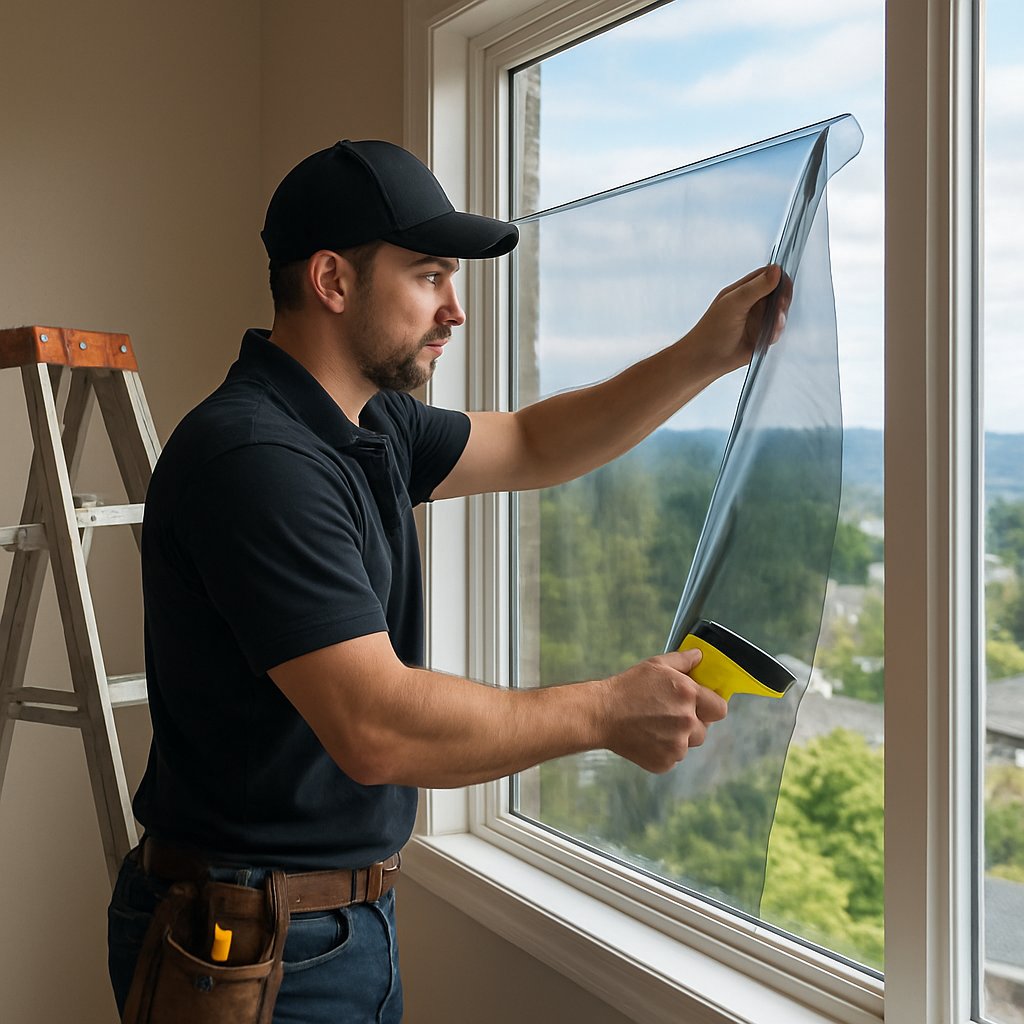
Concrete example: A Portland living room with 150 square feet of southwest glazing fitted with a high quality spectrally selective low-e film can see a roughly 35 to 50 percent reduction in solar heat gain through those panes. In real operation that often means a 10 to 15 percent drop in summer cooling energy for the conditioned space served by that glazing, reduced peak AC runtime, and noticeably cooler late afternoon temperatures without heavy shading.
Common misunderstanding: Many people expect film to replicate full window replacement performance. That is incorrect. Film is a retrofit that improves radiative and solar transfer but it does not add insulating air gaps or replace low-e coated sealed units. In Oregon the best outcome is achieved by pairing spectrally selective low-e film with attention to window orientation and sealing work on frames.
Why Oregon climate and orientation matter for savings
Key point: Window orientation often drives more of the real energy and comfort impact than total glazed area. In the Willamette Valley (Portland, Salem, Eugene) you get frequent overcast days but clear, hot afternoons in summer that make west and southwest glazing the primary source of cooling load and occupant complaints. In Central Oregon (Bend) there are stronger solar gains and wider day-night temperature swings, which changes the balance between cooling day peaks and nighttime heating needs.
Which exposures to prioritize
- West and southwest windows: Highest priority for summer comfort and reducing A/C runtime because they drive late afternoon heat and glare.
- South windows: High solar gains year round; treat them case by case because you may want to retain passive solar heat in winter while cutting summer peaks.
- East windows: Morning sun causes glare in bedrooms and kitchens but smaller cooling impact; useful to treat if occupant comfort in mornings is important.
- North windows: Lowest priority for solar control; film here is usually for UV protection, glare from reflected light, or privacy rather than energy savings.
Practical insight: Prioritize by room function not just facade. A west-facing living room or retail storefront will produce measurable HVAC runtime savings when treated, while north-facing bedrooms rarely move the meter. Combine orientation mapping with occupancy patterns before you commit to whole-house installs.
Tradeoff to watch: On south-facing windows low-e film that rejects solar can reduce summer cooling but will also reduce winter passive heat gain. In many Oregon homes that run gas or electric heating through winter you do not want to eliminate beneficial winter sun. That is why spectrally selective films that block infrared and UV while keeping visible light are usually the best fit here; they cut peak heat without darkening rooms unduly.
Concrete example: In a Portland bungalow with a 150 square foot wall of west glazing, installers commonly choose a spectrally selective low-e film. After installation occupants reported lower afternoon surface temperatures and a 20 percent reduction in air conditioning runtime during hot spells, while daylight levels remained high. For a small storefront in Eugene with afternoon glare the same approach reduced interior cooling load and improved customer comfort without sacrificing the view.
What installers see in practice: Tree cover, overhangs, interior shades, and nighttime ventilation change the effective benefit of film. Do not assume identical savings from two properties with the same square footage of west glass. A house with mature trees may need little film, while an exposed new build will benefit a lot. A proper site assessment maps these variables and avoids wasted spend.
Takeaway: For Oregon the best returns come from treating west and southwest glazing first with spectrally selective low-e films so you reduce peak cooling and glare without losing daylight or valuable winter passive heating.
Quantifying energy and cost savings with examples
Practical range: Expect typical HVAC energy savings from professionally installed spectrally selective low-e window film to land roughly between 10 and 25 percent for facades with meaningful solar exposure in Oregon. These numbers come from industry studies and field experience; actual results depend on window area, orientation, existing glazing, and whether cooling or heating dominates your bills.
How to run a realistic ROI estimate
Simple calculation template: Multiply the glazing area you plan to treat by an installed cost per square foot (professional-grade films typically run about $8–$12 per ft² in Oregon), then compare that total to estimated annual HVAC savings. Use a conservative percent (10–12%) for mixed-heating homes and a higher percent (15–25%) for buildings with large west/south glazing and significant cooling loads.
Concrete example: A typical Portland living room group of windows totaling 150 ft² at $10/ft² installed is a $1,500 job. If the household currently spends about $1,200/yr on heating and cooling, a 12% reduction equals $144/yr (10.4-year payback); a 20% reduction equals $240/yr (6.25-year payback). If you qualify for a local rebate through Energy Trust of Oregon the payback drops materially.
Limitation and tradeoff: If your windows are modern double-pane with factory low-e coatings, incremental gains from retrofit film will be smaller — sometimes only a few percent — because the baseline performance is already good. In those cases the budget often performs better when directed at uncoated, single-pane exposures, west-facing glass, or addressing air leakage and insulation first.
Commercial example: A mid-size storefront in Eugene with 1,200 ft² of single-glazed, west-facing glass might cost ~$10,200 to treat at $8.50/ft². If cooling and daytime HVAC runtime are high, a 15–30% reduction in HVAC energy could save $900–$1,800 annually — producing a 5.7–11.3-year payback. In practice, commercial spaces with long operating hours and high peak demand usually see the fastest paybacks.
| Scenario | Glazing area | Installed cost | Estimated annual HVAC savings | Estimated payback |
|---|---|---|---|---|
| Residential single-room retrofit | 150 ft² | $1,500 (@ $10/ft²) | $144–$240 (12–20% of $1,200) | 6–10 years |
| Whole-house upgrade (multiple rooms) | 500 ft² | $4,000 (@ $8/ft²) | $216–$360 (12–20% of $1,800) | 11–19 years |
| Commercial storefront | 1,200 ft² | $10,200 (@ $8.50/ft²) | $900–$1,800 (15–30% of $6,000) | 6–11 years |
Practical judgment: Don’t chase the highest visible-light-blocking film to increase percent savings; spec a spectrally selective low-e film (like 3M Prestige or Llumar CTX) if you want meaningful solar/infrared rejection while keeping daylight. Overly dark or reflective films create occupant complaints, reduce natural light benefits, and can hurt resale.
Next step: Run this template with your actual utility bills and window area, or request a site assessment that includes measured glazing, orientation mapping, and rebate pre-checks. Professional measurement and a baseline energy discussion are the only reliable way to convert these ranges into a local, bankable ROI.

Comparison: low-e window film versus full window replacement and other retrofits
Straight answer: for existing, sound window units in Oregon, low-e window film benefits usually beat full replacement on cost-effectiveness and speed; replacement is worth it when glass or frames are failing or when ultra-low U-factor glass is required for a specific code or resale goal.
Cost and disruption tradeoffs
Installed cost comparison: professional-grade low-e film commonly runs about $8–$12 per square foot installed. Full window replacement typically costs an order of magnitude more per glazing area when you include frame, labor, and disposal. That math matters in every retrofit decision because payback time is driven by installed cost, not theoretical performance.
| Upgrade | Typical cost signal | Energy effect in Oregon | Other consequences |
|---|---|---|---|
| Low-e window film | $8–$12 / ft2 | Reduces solar gain and some heat loss; strong cooling savings on sun-exposed facades | Fast install, preserves daylight and view, minimal waste |
| Full window replacement | Often 10x+ cost vs film (varies by window) | Greater winter U-factor improvement and airtightness if frames replaced | High disruption, longer payback, adds material waste |
| Interior storm windows | $50–$150 per window (installed) | Good winter insulation, modest cooling impact | Less intrusive, preserves exterior appearance |
| Cellular shades | $5–$30 / ft2 | Improves insulation and reduces winter loss, cuts daylight | Low cost, reduces view and daylight, high occupant control |
Practical limitation: window film does not fix air leakage, broken seals, warped frames, or condensation between panes. Those are mechanical problems that require repair or replacement to stop heat loss or moisture damage. Expect film to help surface radiant heat transfer and solar gain, not to restore structural window performance.
Where film is the better decision
- When windows are clear and frames are sound: film improves comfort and cuts cooling bills quickly without removing units
- When retaining daylight and view matters: spectrally selective films block infrared and UV while keeping visible light, unlike dark tints or heavy shades
- When budget or speed matters: film installs in days and typically yields payback in a few years on sun-heavy exposures
When to replace instead: choose full replacement when windows show persistent fogging from lost gas fill, warped frames, serious air leakage, or when you need certified U-factor improvements for a major remodel or sale. Replacement also removes long-term maintenance uncertainty at the cost of higher capital outlay.
Concrete example: a Portland homeowner with 150 ft2 of west-facing single-pane glazing paid about $1,400 to install spectrally selective low-e film. The film reduced afternoon overheating and cut AC runtime noticeably that first summer. Replacing those windows with new double-pane units would have cost many thousands more and required removal, reframing, and disposal of existing sashes.
Judgment call that matters in practice: combine strategies instead of choosing one. Film plus interior storm windows or cellular shades often gives near-replacement winter performance for a fraction of the cost while keeping summer solar control. Contractors who sell only replacements drive a different decision than a contractor who offers both options; get an assessment that maps failures, orientations, and rebate eligibility before committing.
For technical context on when film can change energy metrics, see the DOE guidance on windows and the Efficient Windows Collaborative at Energy Saver and Efficient Windows Collaborative. For purchasing and product differences, review our comparison of retail versus professional-grade options at Where to Buy Window Tinting Film.
Rebates, incentives, and permitting in Oregon
Straight answer: Oregon has useful incentive pathways for window efficiency work, but they are program-specific, often require pre-approval, and rarely pay for the entire project. Expect paperwork and timing constraints.
Which programs to check first
Primary place to start: Energy Trust of Oregon for commercial and some multifamily projects, plus local utility efficiency programs that offer technical assistance or incentives. For basic homeowner questions use the Energy Trust site and local utility pages because availability changes by funding cycle. See Energy Trust of Oregon for current offerings and program rules.
Important constraint: Many incentives require documented performance numbers such as SHGC and U-factor for the installed film or a pre-approved product list, not just a sales pitch. Spectrally selective films often qualify where darker reflective films do not, because programs care about visible light transmission and occupant comfort as well as raw solar rejection.
How to capture incentives without wasting time
- Confirm eligibility: Identify whether your building type (single-family, multifamily, commercial) and retrofit type are eligible.
- Get pre-approval: Submit scope, product spec sheets, and an installer quote before buying materials. Starting work without pre-approval is the most common way to lose a rebate.
- Use manufacturer data: Include SHGC, visible transmittance, and U-value numbers from the film manufacturer or third-party lab results.
- Schedule inspection: Programs often require a post-install inspection and final paperwork within a set window.
- Claim promptly: Submit invoices, tax ID, and installer documentation before program deadlines; funding windows close and retroactive claims are frequently denied.
Practical tradeoff: Chasing a rebate can add 2 to 6 weeks to a straightforward installation. If your priority is rapid winter comfort or an urgent storefront improvement, the time cost may outweigh the partial incentive. Plan projects around program timelines.
Permitting and appearance rules: For most single-family residential retrofits in Oregon you do not need a building permit for interior-applied films. Exceptions matter. Historic districts, HOAs, and some commercial facades require approvals or have rules about reflective appearance, so check local planning departments before ordering materials.
Concrete example: A small retail tenant in Eugene qualified for an Energy Trust custom incentive after submitting pre-install measurements and manufacturer SHGC data for a spectrally selective low-e film. The program required a pre-approval email and post-install inspection; because the installer supplied the documented performance data and handled the submission, the incentive was paid and shortened the job payback by multiple years.
Where Tinting Oregon helps: We prepare the spec sheets, apply for pre-approval when appropriate, and handle post-install paperwork; see our rebate guide at Window Film Energy Rebates in Oregon. If you want incentives, budget time and choose an installer who knows the paperwork.
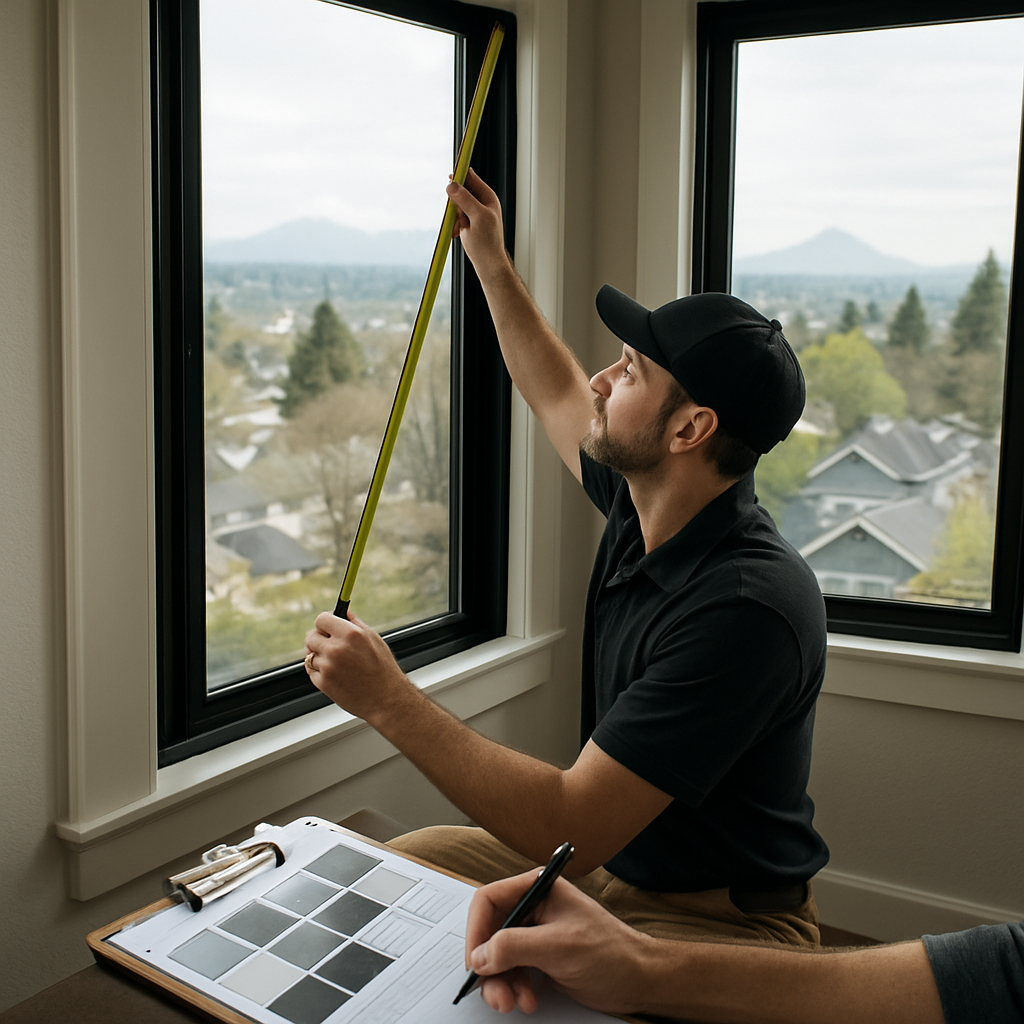
Next consideration: Before you sign a contract, ask the installer which specific program they will target, what documentation they will provide, and whether they will handle pre-approval and post-install inspection. That single question separates projects that actually capture incentives from those that do not.
Choosing the right film and brands for Pacific Northwest conditions
Key point: For Oregon homes the single biggest selection decision is spectrally selective versus reflective/blackout films. Spectrally selective films block infrared and UV while keeping visible light, which preserves daylight and passive winter solar gain that matters here. Reflective or heavily metalized films deliver maximum summer heat rejection but noticeably change window appearance and can reduce daylit comfort during gray or short-day months.
How brand families map to Pacific Northwest needs
- 3M Prestige Series: High-performing spectrally selective film that preserves visible light while rejecting IR. Good for south and west exposures where you want glare reduction without a darkened room.
- Llumar CTX / Stratos: Ceramic and spectrally selective options that balance heat reduction and clarity. Works well on mixed-orientation homes and commercial storefronts where aesthetics matter.
- Solar Gard Agalite: Competitive spectrally selective line with strong UV rejection and proven warranties. A solid choice when rebate paperwork requires established brand documentation.
- Madico SunTek: Offers both reflective and neutral options; use the neutral/spectrally selective variants when you need daylit interiors and reduced fading.
- Vista (by LLumar): Premium ceramic choices with good long-term clarity and extended warranties for commercial applications.
Practical tradeoff: If you pick the highest solar rejection film just to chase cooler afternoons you will likely sacrifice interior daylighting and reduce passive winter heat, lengthening payback. In most Oregon installations I recommend spectrally selective films first – they deliver meaningful cooling reduction and UV protection while keeping rooms usable on cloudy days.
Limitation to watch: Some metalized or very dark films can produce thermal stress on heat-treated or tempered glass and may accelerate seal failure on aging insulated units. A competent installer will identify glass type during the site visit and flag windows that should not receive certain films. If an installer glosses over glass tempering, walk away.
Concrete example: A Portland bungalow with large west-facing living-room windows and a TV glare problem installed 3M Prestige. The family kept daylight and view, reduced afternoon peak cooling runtime on their ductless heat pump, and stopped fabric fading. Installer paperwork also documented product specs for an Energy Trust of Oregon rebate application.
Warranty and longevity judgment: Buy professional-grade film and insist on both manufacturer and installer warranty documentation. Manufacturer warranties commonly run 10 to 30 years for optical defects and delamination; installer workmanship guarantees cover edge sealing and adhesion. Cheaper retail films have no meaningful long-term warranty and usually fail optical and adhesion tests within a few years.
Professional installation best practices and what to expect from a Tinting Oregon assessment
Professional installation separates the actual low-e window film benefits from theoretical performance numbers. Measurements, glass inspection, and correct edge work are what produce real reductions in solar heat gain, reduced U value effects, and long term durability. A poorly specified film or a rushed install will cut expected energy savings and can introduce problems like optical distortion or, in worst cases, glass breakage from thermal stress.
What a proper on-site assessment includes
- Orientation and exposure mapping: record compass directions, seasonal sun paths, and which glazing gets direct late afternoon sun.
- Measured window areas and glass type check: exact square footage, number of panes, presence of low-e factory coatings, and whether glass is tempered or heat treated.
- Thermal risk assessment: identify windows at risk for thermal stress and decide interior versus exterior application or whether film is permitted.
- Product selection and visible light goals: balance spectrally selective choices to preserve daylight while reducing infrared and UV.
- Rebate and paperwork support: preliminary estimate of eligibility and documentation needed for Window Film Energy Rebates in Oregon: How to Qualify, Apply and Maximize Savings | Tinting Oregon and coordination with Energy Trust of Oregon.
- Sample panel or test install: small-area trial on a representative pane when applicable to check appearance and thermal behavior.
Practical tradeoffs to expect up front. Some glass assemblies are poor candidates for retrofit film because the film increases solar absorption and can create thermal stress on tempered or highly insulated units. When that risk exists a qualified installer will either recommend a lower absorption film, interior application only, or decline the job. That is not a failure; it is risk management that preserves long term performance and warranty eligibility.
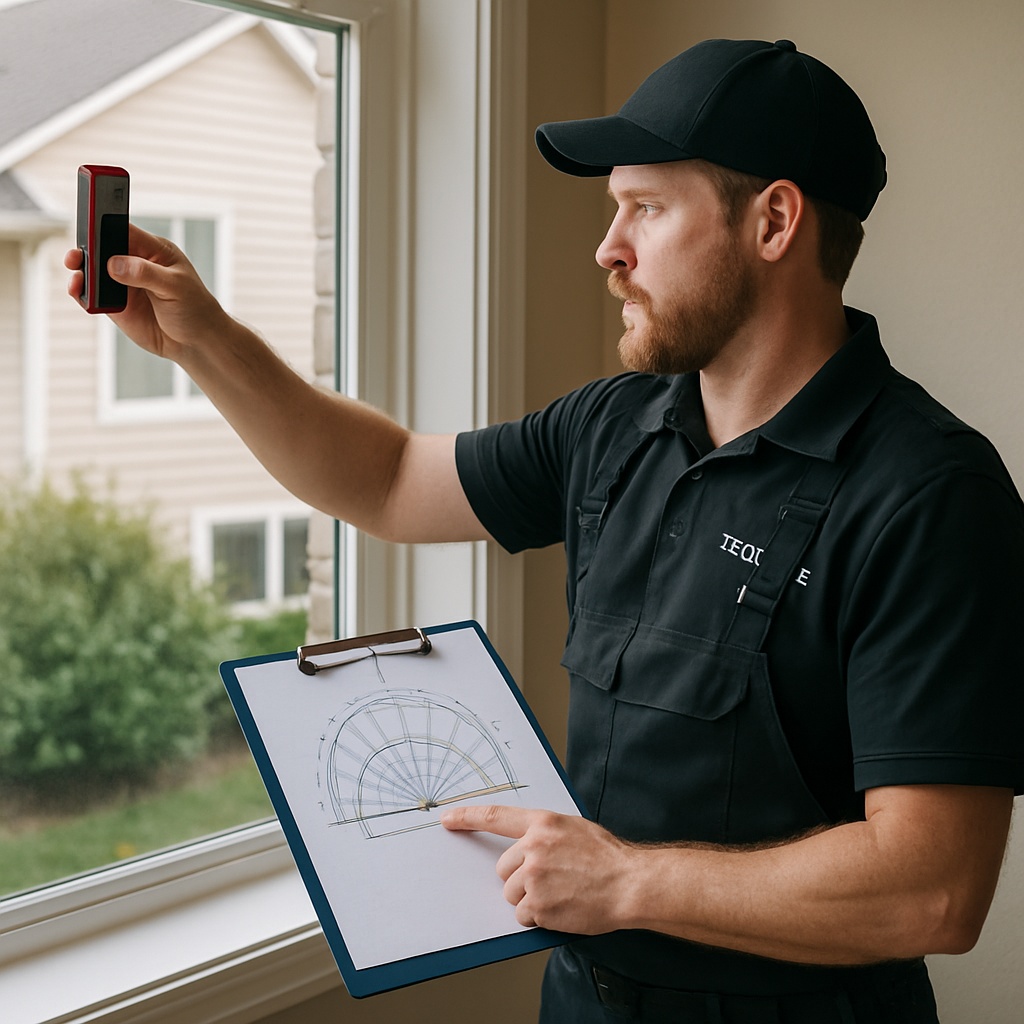
Concrete Example: An assessor from Tinting Oregon measures an 80 sq ft west facing living room in Portland, documents single pane versus insulated status, and recommends a spectrally selective film at an estimated installed cost of about $10 per sq ft. They run a small mock install, obtain preinstall thermal images, schedule a one day install, and deliver postinstall thermal imaging showing an 8 to 10 F drop in glass surface temperature during peak sun hours.
Post-install verification and paperwork matter. Expect the installer to perform a comfort check, provide before and after photos or thermal scans, file rebate paperwork if applicable, and explain warranty coverage and maintenance. Ask for a written summary of expected energy impacts and the warranty terms that cover adhesion, optical defects, and edge degradation.
Local examples and realistic next steps for property owners in Portland, Salem, Eugene, and Bend
Local reality: Oklahoma City style answers do not translate to Oregon. In Portland, Salem, Eugene, and Bend the meaningful decisions are tactical: which windows to treat first, how to stage cost across seasons, and what paperwork is needed to capture rebates. Focus on windows that drive occupant complaints and runtime on HVAC systems rather than treating every window at once.
Concrete Example: Portland single-family home
Concrete Example: A 1,800 square foot Portland bungalow with large west-facing living room windows. Installing spectrally selective low-e film on the two largest west panes typically reduces afternoon overheating and glare, drops air conditioning runtime on hot afternoons, and preserves daylight. Expect the homeowner to prioritize those panes first, stage the rest later, and recover a meaningful portion of the install cost within 3 to 6 years depending on electric rates and AC usage.
Concrete Example: Eugene commercial storefront
Concrete Example: A downtown Eugene retail shop with full-height glazing and constant glare on display shelves. Applying a medium-VLT spectrally selective film reduces solar gain and UV fading while keeping product visibility. The real payoff is reduced compressor cycles for rooftop units during warm months and fewer damaged displays from UV exposure.
Concrete Example: Bend vacation rental and Salem municipal building
Concrete Example: In Bend, high daytime sun and cool nights make film a two-season tool: reduce daytime overheating in summer while lowering radiant heat loss from cold glass overnight. In Salem municipal buildings where budget and aesthetics are sensitive, phased installs focused on conference rooms and south facades give measurable comfort improvements with minimal visual change.
Tradeoff and limitation: Film is not a cure-all for every window. Historic district rules in parts of Portland can restrict visible changes. Some glass types require special adhesives or are not recommended for film; installers must check heat-treated or tempered glass to avoid warranty or safety issues. Plan for staged installs and insist on a written glass-compatibility check.
- Step 1: Gather three months of electric/gas bills and note problem rooms (west afternoon glare, south overheating, cold-surface drafts).
- Step 2: Prioritize windows by impact (large single panes, west and south exposures, storefronts) and budget to treat highest-impact zones first.
- Step 3: Check rebate pathways and pre-approval requirements at Window Film Energy Rebates in Oregon: How to Qualify, Apply and Maximize Savings | Tinting Oregon and Energy Trust of Oregon.
- Step 4: Request on-site assessments from two professional installers, ask for measured U and SHGC improvements, and get an itemized quote by window.
- Step 5: Pilot one room or storefront bay, verify occupant comfort and HVAC runtime after 30 days, then schedule the remainder if results meet expectations.
