
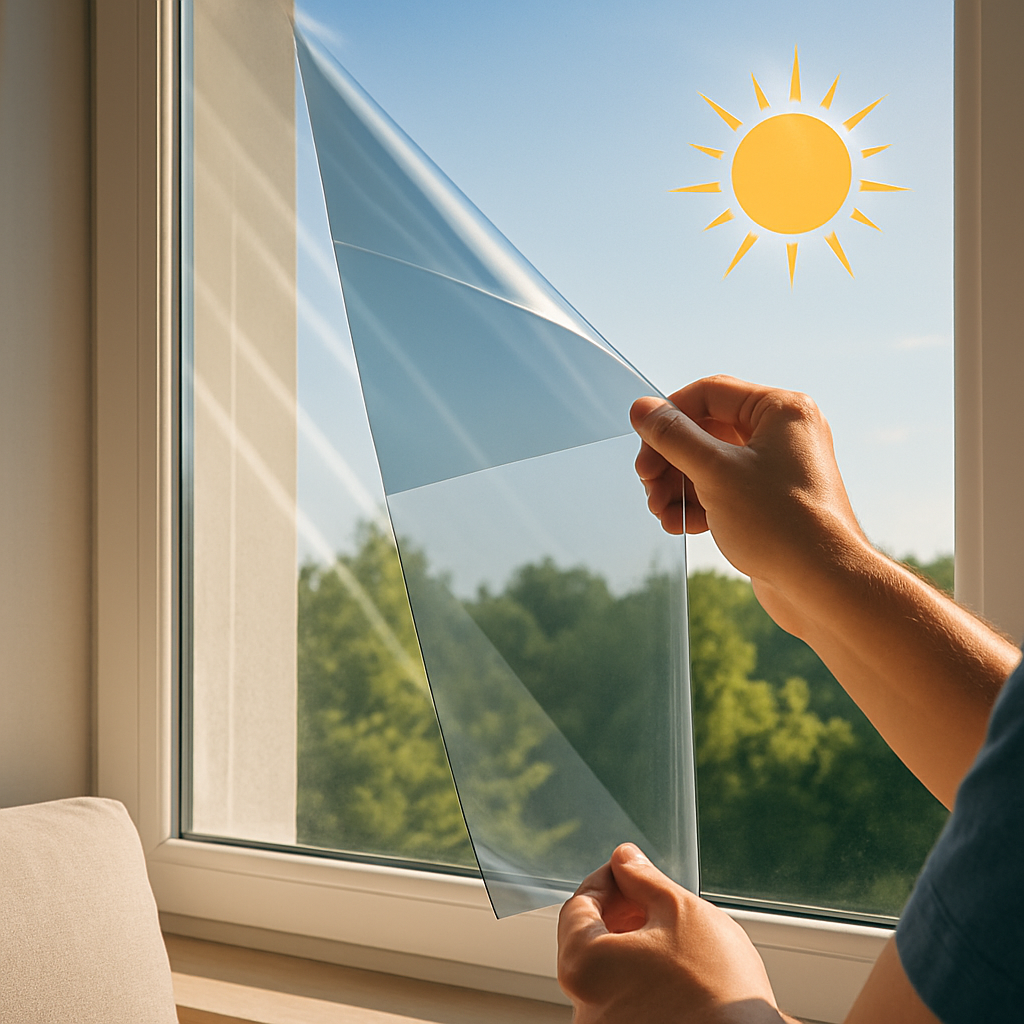
Best Window Film for UV Protection: Keep Interiors Fade-Free and Protected
Sunlight in Oregon does more than warm a room – ultraviolet light quietly fades floors, upholstery, artwork, and finishes over months and years. This guide walks through the best window film for UV protection, what top-rated UV window films actually block, how ceramic, spectrally selective, metallized, and low-E films trade off clarity, heat rejection, and cost, and what to expect from professional versus DIY installs. Youll get room-by-room recommendations for homes and commercial spaces across Portland, Salem, Eugene, and Bend, plus practical installation tips and when to call a local pro.
1. 3M Prestige Series
Short answer: the 3M Prestige Series is one of the best window film for UV protection when you need near-complete UV block with minimal change to daylight and color fidelity.
What it is: Prestige is a multilayer, nonmetallic, spectrally selective film that advertises up to 99 percent UV blockage while keeping high visible light transmission. That combination is why designers use it where keeping natural light and true colors matters more than giving the glass a dark mirror finish.
Performance and tradeoffs
Key performance: Prestige rejects a significant portion of infrared energy and almost all UVA and UVB, which prevents fading without darkening rooms the way older dyed or metalized films do. Tradeoff: it costs more than retail DIY films and some high-end ceramics, so budget-sensitive projects must weigh clarity against cost.
- Pro: Nonmetallic construction means minimal signal interference compared with metallized films.
- Pro: Spectral selectivity gives good heat reduction without a heavy tint.
- Con: Higher upfront price; installer choice affects edge sealing and long-term performance.
- Con: If the project needs maximum heat rejection regardless of visible light, some ceramic or heavily metalized films will outperform Prestige for TSER.
Installer matters: Manufacturer-backed warranties depend on certified installation. Ask to see the specific warranty for your region and confirm edge-trim methods; poor trimming or contaminated glass is the most common failure mode, not the film itself. For local installs see Tinting Oregon.
Concrete example
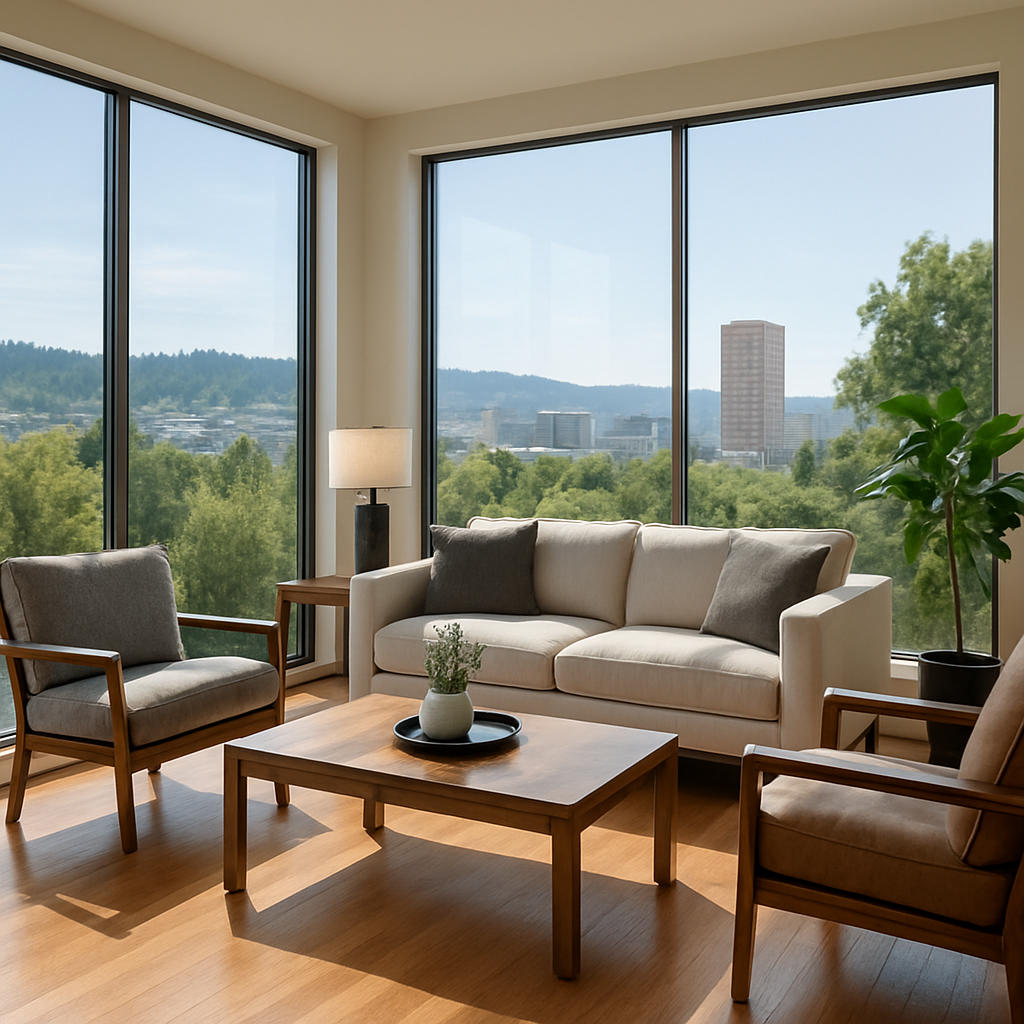
Concrete Example: In a southeast Portland living room with large picture windows, choosing Prestige at a high VLT preserved daylight and avoided TV glare while removing nearly all UV that was bleaching a wool rug. After installation the homeowner reported reduced fading on a 12 month check and no noticeable darkening of the space.
Practical judgment: If your priority is protecting artwork, wood floors, or retail merchandise while keeping a neutral view, Prestige is worth the premium. If your priority is absolute peak heat rejection or lowest cost, compare high-performance ceramic or metalized lines first.
Important: verify the film's UV spec and the installer warranty in writing before purchase; the product is excellent, but installation quality determines real-world longevity.
Next consideration: compare Prestige's spec sheet on the 3M product page with competitor TSER and VLT numbers to match the film to each room's orientation and light needs.
2. Huper Optik Ceramic Series
Primary claim: Huper Optik Ceramic Series gives you near-professional optical clarity and strong UV blocking with no metal layers, which matters if you need natural color, minimal reflectivity, and zero signal interference.
How it works: The line uses ceramic nanoparticle layers to stop UV and much of the infrared energy that causes fading and heat gain while keeping visible light largely intact. That combination is why ceramic films are commonly recommended where color fidelity and clear views matter.
Advantages and trade-offs
- Advantage: Nonmetallic construction means no signal interference, no mirror finish at night, and long-term optical stability.
- Advantage: Good infrared rejection per unit of visible light loss — you can preserve daylight and still reduce heat and fading.
- Trade-off: Premium cost compared with dyed retail films; expect to pay more up front for ceramic technology.
- Trade-off: If your goal is absolute maximum heat rejection and you do not care about darkening windows, a heavily metalized or darker spectrally selective film can sometimes deliver higher total solar energy rejection (TSER).
Practical limitation: Ceramic films do not make every problem disappear. For very large south- or west-facing glass areas in direct afternoon sun, you may still need lower VLT choices, external shading, or a layered strategy (film plus blinds) to reach comfort targets without over-darkening interiors.
Installer considerations: Proper edge trimming, cleaning, and adhesive cure are critical. In Oregon, cooler or wetter conditions slow adhesive cure — ask your installer about recommended wait times and whether post-installation inspection is included. Use a certified installer so warranties from the manufacturer remain valid. See Tinting Oregon consultation for on-site evaluation options.
Concrete example: A modern Bend house with floor-to-ceiling west-facing windows retained view and reduced afternoon glare after Huper Optik ceramic film at a mid-range VLT was installed. The homeowner kept natural brightness for interiors while lowering peak glass surface temperatures enough to stop rapid fading of a leather sofa and area rug over the summer months.
Judgment: If you value clarity, non-reflective appearance, and long-term stability — particularly in homes, galleries, or conference rooms with AV equipment — Huper Optik ceramic is one of the best window film for UV protection and heat control without the compromises of metallized films. Ask for the product datasheet and compare VLT and TSER numbers rather than relying on single percentage UV claims. For manufacturer details, consult Huper Optik USA.
3. Vista by LLumar Architectural Series
Clear position: Vista by LLumar is a practical middle ground for projects that need reliable UV blocking with a controlled visual appearance across many windows. It is not the absolute best at infrared heat rejection, but it wins on consistent color, dealer support, and a broad set of neutral VLT choices that matter in mixed-use buildings.
Performance profile and where it fits
Performance note: Vista films deliver strong UV reduction while keeping a natural look; manufacturers commonly advertise up to 99 percent UV blockage. For property managers who care about uniform storefront appearance or HOAs that require neutral-looking upgrades, Vista is often the least disruptive option visually.
Tradeoff: Vista is engineered for architectural use, which means it favors color stability and wide VLT selection over the maximum IR rejection you would get from top-tier ceramic films. If afternoon heat load is the primary concern on west facing glass in Bend, a ceramic or spectrally selective option will reject more solar heat for the same visible light level.
- Unique strength: uniform, neutral appearance that works across multiunit façades or retail chains
- Compatibility: designed for a variety of glazing types and commonly used where low visible distortion matters
- Installer support: strong dealer network and certified installation paths that preserve manufacturer warranty
Concrete example: A downtown Salem retail tenant used Vista neutral 50 VLT on large display windows to protect merchandise from fading while keeping bright, true-to-color lighting in the store. The installer matched film batches to avoid patchy color across adjacent panes and registered the warranty through a certified dealer to secure a 10 year material backing.
Practical limitation: Expect midrange pricing. Vista is more expensive than basic dyed retail films but typically cheaper than premium ceramic options. Budget shoppers will get good UV protection, but they must accept a modest compromise on infrared heat rejection compared with high-performance ceramic films.
Maintenance and warranty tip: Use non abrasive cleaners and avoid ammonia based solutions to prolong optical clarity. Verify that warranty coverage is conditional on certified installation; if you want manufacturer backing, insist the installer registers the job.
Next step: For a site specific recommendation and an apples to apples performance comparison, request an on site consult from a certified installer and bring glazing measurements. For a quick primer on deciding between DIY and professional installation see Should I be Window Tinting my home or business? and review Vista technical details at Vista by LLumar.
4. Solar Gard Ultra Performance Series
Direct point: Solar Gard Ultra Performance is a workhorse for commercial retrofit jobs where durability and a broad product range matter more than micro-perfect optical clarity.
What it is: The Ultra Performance family includes spectrally selective films and metalized options, offered in multiple visible light transmission (VLT) levels so contractors can tune daylight, glare and solar gain independently of UV blocking performance.
Performance and trade-offs
Practical trade-off: Metalized Ultra Performance variants deliver some of the highest measured heat rejection in the line but introduce a faint reflective cast and possible radio/signal effects; spectrally selective versions keep color fidelity and view but trade a bit of peak heat rejection for better optical neutrality.
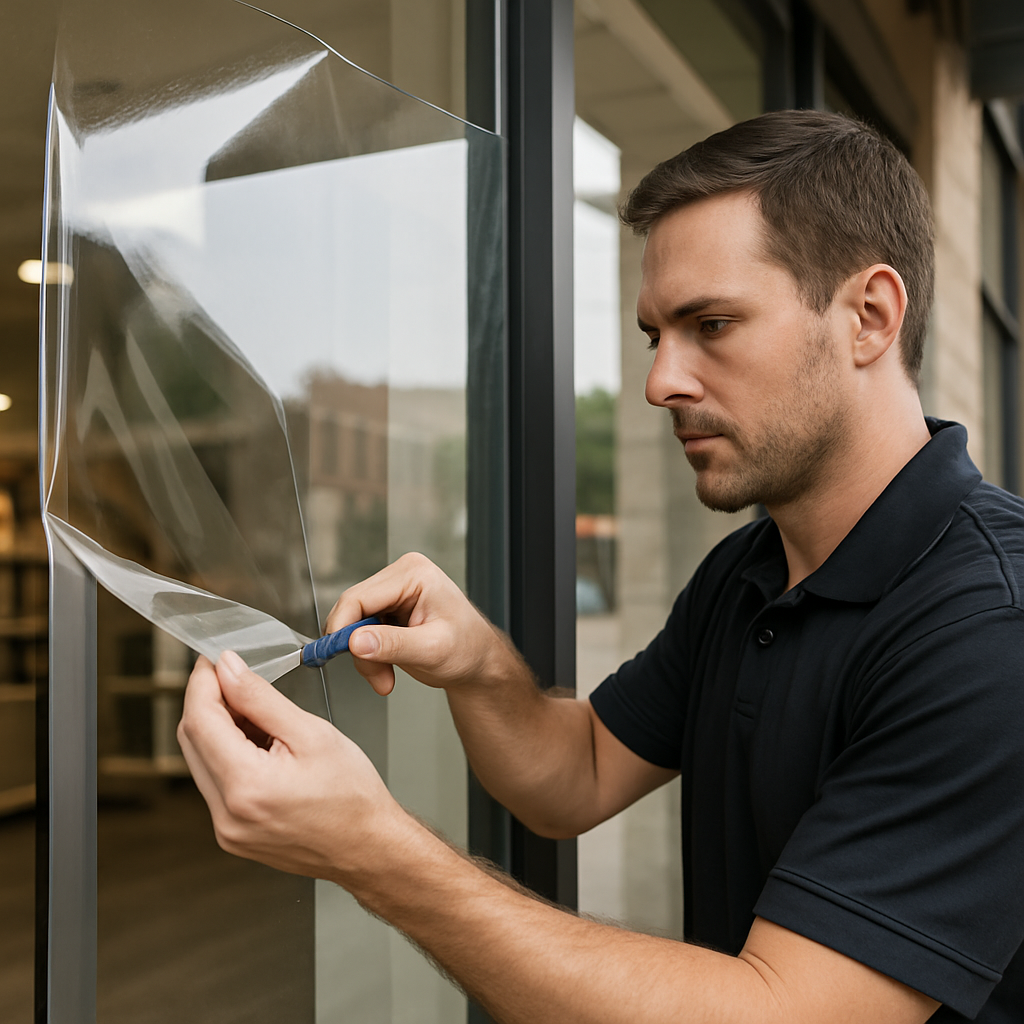
- Durability: thicker polyester and robust adhesives make Ultra Performance suitable for heavy-use storefronts and commercial glazing where edge integrity matters.
- Aesthetics: spectrally selective finishes are the go-to when you need protection without a noticeable mirror or tint.
- Compatibility: confirm compatibility with low-E coatings and insulated units on high-temperature exposures — installers should review glass specs before ordering film.
| Measure | Typical Ultra Performance behavior |
|---|---|
| UV reduction | Manufacturer families commonly advertise up to 99% UV block; confirm specific data for the SKU you choose |
| Visible Light (VLT) | Ranges widely (light to dark) so you can preserve daylight or increase privacy |
| Heat rejection | Metalized options = higher TSER; spectrally selective = balanced IR control with neutral appearance |
Limitation to budget-conscious buyers: Ultra Performance sits between economy retail films and premium ceramics on price. If your priority is absolute optical neutrality over years (for galleries or high-end residential interiors), ceramic films usually outperform Ultra Performance in long-term color fidelity.
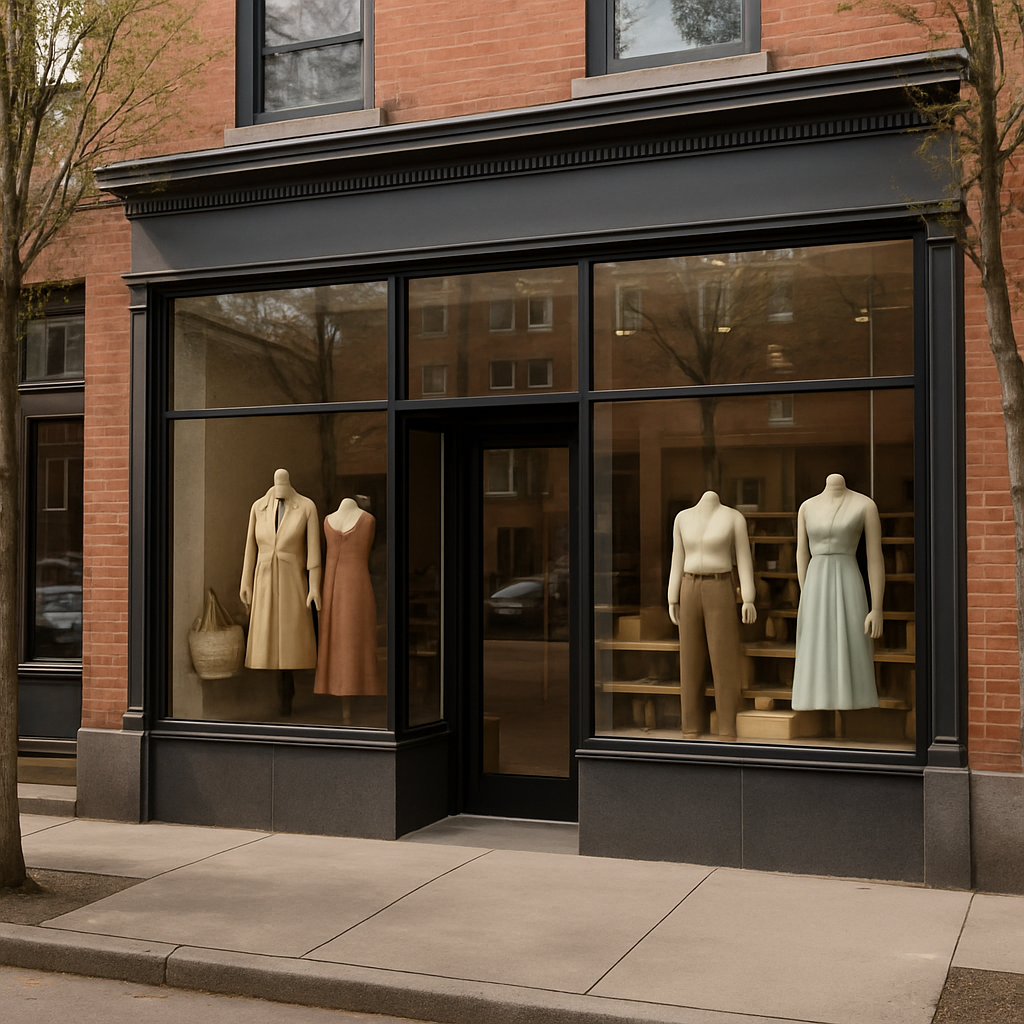
Concrete example: A downtown Salem retailer swapped clear display glass for a spectrally selective Ultra Performance film to protect fabrics under window lighting. The film preserved color in the display cases and noticeably reduced midday glare without making the storefront look noticeably tinted; the installer also recommended a darker metalized SKU for a west-facing loading dock where heat load mattered more than daylight.
Choose Ultra Performance when you need commercial-grade durability and a menu of VLT/TSER options; choose ceramics when optical purity is the primary goal.
Final consideration: If your project mixes storefront displays, office glazing and back-of-house windows, Solar Gard Ultra Performance lets you match film types to each exposure. Get sample swatches on the actual glass during an on-site visit to judge daylight and color before committing.
5. Madico Sunscape Solar Films
Quick read: Madico Sunscape is a pragmatic, broadly specified solar film line that gives strong UV blocking with flexible aesthetic choices – clear protective films, neutral tints, and metalized options are all available. Expect good fade reduction at a lower price point than premium ceramic films, but accept tradeoffs in optical purity and potential signal interference on some metalized variants.
Performance and construction
Key performance: Madico Sunscape films typically advertise up to 99 percent UV blockage while offering a range of VLTs and visible finishes. Many of the line are metalized or hybrid constructions that boost heat rejection and glare control. That makes them efficient at protecting fabrics and artwork, but not invisible – expect a slight change in reflectance or tint compared with spectrally selective ceramic films.
- Best use cases: retail displays, galleries, and residential rooms where fading is the priority and a neutral or slightly reflective finish is acceptable
- Limitations: metalized options can cause RF interference and a faint mirror effect at certain light angles; not the best choice where absolute optical clarity and color fidelity are required
- Installation tradeoff: adhesion and edge sealing matter more with Sunscape than with some premium films – professional prep prevents edge lift, especially in Oregon humidity
- Compatibility: clear UV protective Sunscape films work well as a top layer when combined with security film for shatter resistance
Concrete example: A downtown Salem boutique with leather goods was losing color on a display table near a street-facing window. Installing Sunscape 35 percent VLT neutral tint on the display bays reduced direct sun and glare, kept merchandise readable from the sidewalk, and stopped further visible fading. The owner chose Madico because it delivered UV protection and storefront presence without the premium cost of ceramic films.
Judgment that matters: In practice Madico Sunscape wins on cost to performance for commercial displays and many residential rooms. If your priority is imperceptible clarity or you have sensitive color matching needs for artwork or museum quality pieces, choose a nonmetallic spectrally selective or ceramic film instead. For most homeowners and retail managers wanting fade reduction plus options for decorative or reflective finishes, Sunscape is a sensible, cost effective choice.
Local tip: Before picking tint darkness, have a Tinting Oregon consultant measure light at the problem surface and test a sample strip during the actual afternoon sun. See Should I be Window Tinting my home or business? for how we evaluate exposure.
6. EnerLogic Low-E Window Film by Saint-Gobain
EnerLogic is primarily an insulating film, not a heat‑rejection film. Its design lowers glass emissivity to reduce heat loss in cold months while also providing significant UV reduction for fade protection. That combination makes it a different tool in your toolkit compared with spectrally selective or ceramic films whose primary job is rejecting solar heat.
Performance and tradeoffs
Key tradeoff: EnerLogic improves window R‑value and indoor comfort during Oregon winters but will not beat top spectrally selective films for daytime solar heat rejection or glare control. If your problem is high summer cooling load and glare on west‑facing screens, pick a summer‑focused film; if the worry is cold windows, heating bills, and fading during low‑angle winter sun, EnerLogic is a strong choice.
- Best for older glazing: Good fit for single‑pane homes, historic windows, and houses where full replacement is cost‑prohibitive.
- UV and insulation combo: Reduces UV transmission while lowering heat loss through glass, which indirectly reduces temperature swings that accelerate fading.
- Not optimized for summer heat: Will not provide the same IR rejection and glare control as high‑performance ceramic or spectrally selective films.
Concrete Example: In a southeast Portland bungalow with original single‑pane windows, installers applied EnerLogic to living room glass. The homeowner reported noticeably warmer surfaces at the window line, lower draft sensation, and slowed fading on an antique rug; energy bills showed measurable winter heating reduction the next season. Payback in similar Oregon homes typically appears within a few heating seasons depending on fuel costs and window area.
Installation considerations that matter: EnerLogic must be assessed for glazing compatibility and thermal stress risk before application. It frequently performs best on single‑pane or storm‑window assemblies; installing it on some insulated glass units without inspection can increase thermal stress and risk of breakage. Adhesive cure and edge seals behave differently in cool, damp Oregon conditions, so professional installation is not optional — expect careful pre‑survey and documented compatibility with your existing glass.
Practical pairing and judgment: For many Oregon homes the right move is a mixed strategy: use EnerLogic on north and east exposures to tighten insulation and reduce low‑angle UV fading, and use spectrally selective or ceramic films on south and west facades where daytime solar control matters most. That split gives you fade reduction, winter energy savings, and good visible light balance without over‑tinting living spaces.
EnerLogic excels where winter comfort and fade prevention are both priorities — choose it when replacing windows is too costly and insulation is the primary objective.
For product details see the EnerLogic information and if you want a practical on‑site assessment for Portland, Salem, Eugene, or Bend, read our guidance on whether to tint your home at Should I be Window Tinting my home or business?.
7. Gila Heat Control Window Film (Retail Option)
Practical reality: Gila Heat Control is a consumer-grade, peel-and-stick option that works as an inexpensive, short-term layer of UV reduction — not a replacement for professional architectural films when long-term fade prevention or warranty-backed performance matters.
What it actually delivers
Performance note: Retail Gila kits typically advertise UV blocking and some heat and glare reduction. In practice you should expect meaningful UV attenuation on small panes but inconsistent optical clarity, lower total solar energy rejection than ceramic/spectrally selective pro films, and a shorter useful life—especially on exposed, large-area glazing.
- Strengths: very low upfront cost, widely available, easy weekend DIY install for single panes or sliding-door inserts
- Limitations: adhesive is water-activated and traps dust and residue more easily; edges lift sooner than pro films and warranties are limited or non-existent compared with manufacturer-backed installations
- Use-case fit: renters, temporary shade for small windows, or trialing darker VLT before committing to professional work
Local consideration: Oregon humidity matters. Gila installs need a clean, low-dust interior and a warm, dry day for the adhesive to seat cleanly. If you attempt installation during a rainy stretch in Portland or early-spring in Eugene you will be fighting bubbles and edge failure — which is the most common DIY complaint I see on service calls.
Concrete example: A renter in southeast Portland used a Gila Clear UV control film on two east-facing bedroom windows to cut morning glare and protect a small sofa. The install took an afternoon and reduced visible glare noticeably; after 18 months the corners started to lift and the owner replaced the panels rather than attempt spot repairs. That outcome — cheap, effective short-term protection, then replacement — is the typical lifecycle for this class of product.
Misunderstanding to correct: Many buyers assume retail UV films are equivalent to professional grades because packaging uses terms like UV blocking and heat control. The meaningful differences are in tested TSER, long-term adhesive chemistry, and installed warranty. If you need verified, long-lasting protection for expensive furnishings, plan on professional choices and certified installers — read about practical installation considerations at Should I be Window Tinting my home or business?.
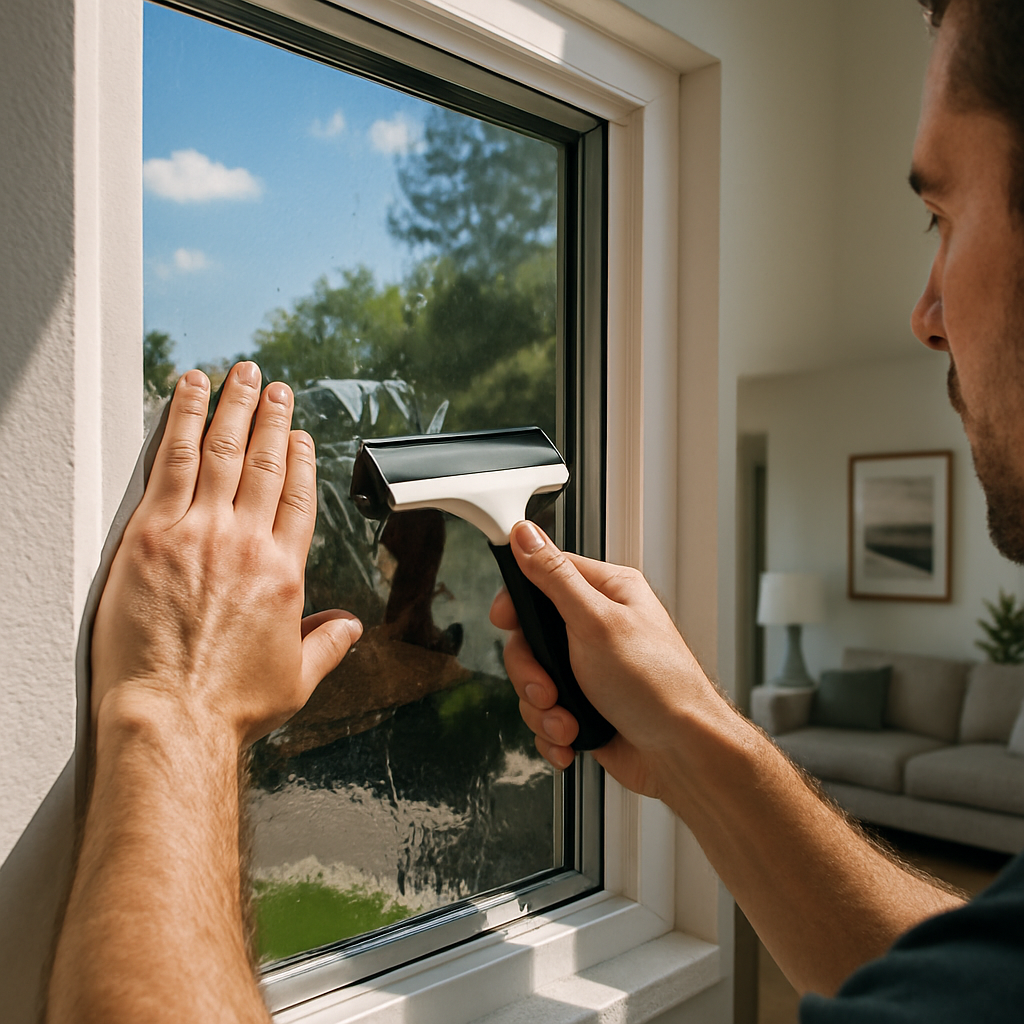
8. Tinting Oregon Professional Installation and Custom Film Solutions
Direct point: professional-grade film only performs as well as the install. Tinting Oregon focuses on site-specific decisions you will notice in months and years — correct film selection for orientation, glass condition, and interior use, plus installation details that prevent edge failure and visual defects.
What our on-site consultation actually covers
- Window audit: measure VLT, note glass type (tempered, low-E, laminated), check IGU seals and frame condition.
- Light and use mapping: record sun angles by room at peak hours and agree target daylight levels versus glare control.
- Compatibility checks: confirm film chemistry is safe with existing coatings and that metallized films won't interfere with critical signals.
- Mockup & sample: apply a small sample panel where the client can judge color and daylight impact before committing.
- Warranty & documentation: register manufacturer warranty and document pre-install conditions (important for future claims).
Practical trade-off: choosing a higher UV blocking film usually means either a darker VLT or a higher-cost spectrally selective/ceramic product. In practice, if preserving daylight and view is primary, we recommend spectrally selective films even though they cost more; if budget is the limiter, accept some darkening or plan for enhanced interior lighting.
Installation constraints to know: Oregon weather matters. Cold, damp conditions slow adhesive cure — for best long-term edge adhesion we schedule installs during milder, drier windows when possible. Security film adds installation complexity and can require different edge treatments; that raises labor and sometimes permit considerations for commercial storefronts.
Concrete example: a southeast Portland condo with hardwood floors and afternoon glare. We performed a two-hour on-site mockup using a spectrally selective film, confirmed the owner wanted high VLT to retain daylight, completed installation across 12 windows in two days, and registered the warranty. The owner reported reduced surface glare on the TV between 3–6 p.m. and no visible color shift on wood floors at three-month follow-up.
- Typical pricing ranges: small residential room retrofits commonly run $400–$1,200; whole-house jobs $1,500–$6,000 depending on film grade and prep; commercial storefronts are usually priced per square foot — expect higher per-sq-ft costs for security-grade films.
- Timeline: single-day installs for small jobs, multi-day for whole-house or complex storefronts; allow extra days for cure checks in cool/wet seasons.
- Value tip: register the manufacturer warranty through your installer and keep before/after photos — that materially helps any future claim.
Judgment call: cheap DIY film is fine as a stopgap, but for protecting high-value interiors or matching commercial appearance, professional installation pays off quickly — fewer callbacks, verified warranty coverage, and installers who know how Oregon conditions affect adhesive cure and long-term performance. Consult the International Window Film Association for installation standards and best practices: IWFA.
