
Choosing the Right Window Tint in Oregon: A Homeowner’s Buying Guide
Choosing the right window tint in oregon matters more than most homeowners realize; what works for a west-facing Portland living room is different from what a cold, high-desert house in Bend needs. This guide explains film categories and real product examples, decodes performance metrics like VLT, SHGC and U-factor, and translates those numbers into practical recommendations for Portland, Salem, Eugene and Bend. You will also get realistic cost ranges, simple ROI examples, and a straightforward installer vetting checklist so you can compare quotes and secure a warranty-backed installation.
Why window film matters for Oregon homes
Key point: Window film is not a one size fits all upgrade in Oregon. Coastal valley homes and urban houses in Portland, Salem and Eugene face different solar angles, cloud patterns and heating needs than high desert homes in Bend.
Climate drives the choice: In Portland and Eugene the problem is often afternoon glare and episodic heat gain during summer; in Bend the issue is both intense summer sun and significant winter heat loss through older windows. That means the correct film must balance heat rejection and visible light retention depending on orientation and season.
What homeowners are trying to solve
- Reduce cooling load: lower SHGC on west and south exposures to cut afternoon heat
- Protect interiors: block up to 99 percent UV to slow fading of floors and fabrics
- Maintain daylight: pick films with higher
VLTwhen natural light is a priority - Privacy and safety: use privacy or security films on street facing windows
- Improve winter comfort: use low-e films where heat loss at night is the primary problem
Practical tradeoff: Darker tints increase privacy and reduce glare but raise the need for artificial lighting and can reduce passive solar gain in winter. Spectrally selective ceramic films are the best compromise for most Pacific Northwest living spaces because they reject solar infrared while keeping visible light, but they cost more than metalized films.
Concrete example: A west facing living room in inner Portland had blown out late afternoon light, faded hardwood and rising AC runs in July. The homeowner chose a spectrally selective ceramic film to keep VLT around 50 percent while cutting solar heat gain; result was lower glare, preserved daylight for plants and measurable reduction in peak cooling demand over the next two summers.
Limitation to watch for: Applying film over failing insulated glass units or on glass with edge seal problems can trap heat and accelerate seal failure. Always get an installer to inspect IGU condition and ask manufacturers about warranty interactions before installation.
Judgment call: Most homeowners overvalue darkness and undervalue spectral performance. If your goal is comfortable daylight and lower summer peaks, prioritize a film that lists separate visible light transmission and infrared rejection metrics rather than choosing purely by shade level.
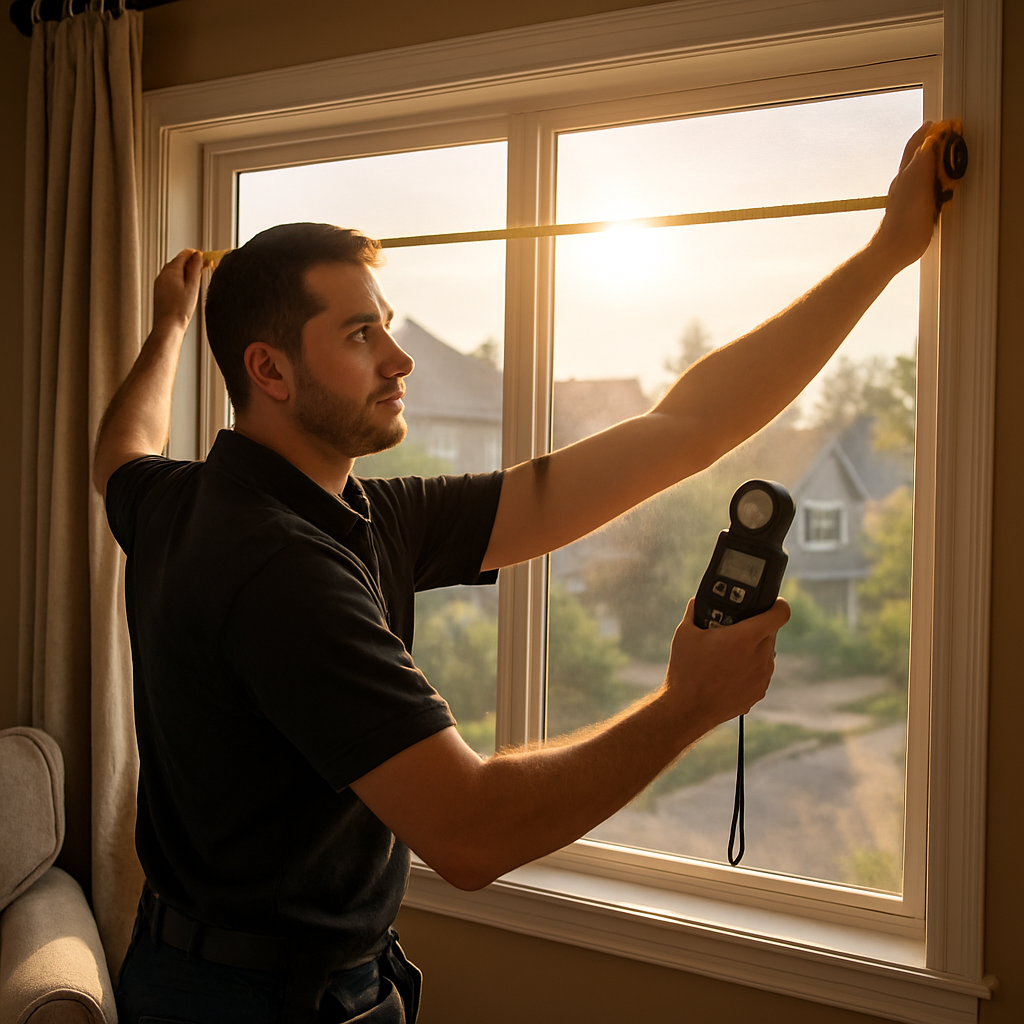
Window film categories and real product examples
Key point: Pick a film category to match the problem you actually have, not the shiniest marketing line. Solar control, low-e thermal films, privacy/decorative, and safety/security films behave differently under Oregon skies and have distinct tradeoffs in visible light, reflectivity, and thermal performance.
Solar control films – metalized vs spectrally selective ceramic
Solar control summary: Metalized films cut heat but add reflectivity and can interfere with signals; spectrally selective ceramic films like 3M Prestige and Huper Optik reject IR while keeping high visible light transmission, which matters in Portland and Salem where you usually want daylight plus lower glare. Tradeoff: ceramics cost more up front but preserve indoor daylight and avoid radio interference.
Concrete example: For a west-facing living room in Portland with afternoon glare, a spectrally selective film such as 3M Prestige or LLumar CTX will reduce heat and glare while keeping natural light for most of the day. Installers will measure VLT and expected SHGC reduction to show why these outperform generic metalized tints in that use case.
Low-e thermal retrofit films
Low-e films: Eastman VISTA and comparable low-e films are designed to improve U-factor and reduce heat loss in cold months. Tradeoff: they can reflect some near infra red that would otherwise provide passive solar gain; in Bend this can be a benefit, on south-facing windows in cold homes it can be a cost if you rely on winter sun for heating.
Concrete example: On an older single-pane house in Bend, applying Eastman VISTA low-e film will typically give a noticeable reduction in heat loss overnight and improve comfort without the expense of full window replacement.
Privacy, decorative, and safety/security films
Privacy and decorative: LLumar Privacy Plus and similar films give opaque or frosted finishes for street-facing rooms. Tradeoff: visible light transmission drops and interior brightness changes, so choose lighter patterns for rooms that need daylight. Safety and security films: 3M Safety and Security films add glass-hold characteristics and slow intrusion, but effectiveness depends on proper anchoring and glass type.
Real-world use case: A ground-floor bedroom that faces a busy street will commonly get a privacy film on the lower sash and a spectrally selective film above to balance light with privacy. That hybrid approach is often more practical than a single, very dark film across the whole window.
| Category | Representative products | Typical VLT range | Primary benefit | When to use in Oregon |
|---|---|---|---|---|
| Spectrally selective ceramic (nonmetallic) | 3M Prestige, Huper Optik, LLumar CTX | 40 – 70% | High IR rejection with high visible light | West and south exposures in Portland Salem Eugene |
| Metalized solar films | Economy metalized brands | 15 – 50% | Cost effective heat and glare reduction | Garages, workshops, or where reflectivity is acceptable |
| Low-e thermal films | Eastman VISTA | 60 – 85% (usually high) | Improves U-factor and reduces nighttime heat loss | Cold-climate Bend homes with single-pane glass |
| Privacy / decorative | LLumar Privacy Plus, patterned films | 5 – 60% depending on pattern | Visual privacy and design | Street-facing windows and bathrooms |
| Safety / security | 3M Safety and Security | Varies by thickness | Glass retention and intrusion delay | High-risk ground floor windows and commercial entries |
Practical judgment: For most Oregon homeowners who want comfort without losing daylight, spectrally selective ceramic films are the best default. Use low-e films where night heat loss is the dominant problem, and reserve metalized or very dark films for non-living spaces.
How to read performance metrics and what to target
Straight to the point: the sheet of numbers from a manufacturer or installer is the only reliable way to compare films. Ignore marketing phrases and ask for the metric values that matter for your orientation and goals.
Key metrics and why they matter
- VLT (Visible Light Transmission): percent of daylight that passes through. High VLT keeps rooms bright. Target depends on use – living rooms need higher VLT than bedrooms.
- SHGC (Solar Heat Gain Coefficient): fraction of solar heat transmitted. Lower SHGC reduces cooling load and afternoon heat from west and south exposures.
- U-factor: heat transfer rate through the window. Low-e films aim to improve U-factor to reduce heat loss in cold climates.
- UV block: percent of ultraviolet blocked. Quality films commonly block up to 99 percent and protect furnishings.
- Visible Light Reflectance (VLR): how reflective the exterior appears. High reflectance can trigger HOA or design review concerns in visible façades.
Practical tradeoff: lowering SHGC typically reduces VLT unless you select spectrally selective ceramic films. In real projects this is the single most important tradeoff – pick the film that reduces heat where you need it while keeping acceptable daylight for the room.
Target ranges by common Oregon scenarios
| Scenario | VLT target | SHGC target | U-factor goal or note |
|---|---|---|---|
| Portland west-facing living room | 40 to 60 percent | 0.20 to 0.30 | Prioritize SHGC reduction; modest U-factor improvement is secondary |
| Portland or Salem south-facing glazing | 35 to 50 percent | 0.18 to 0.28 | Lower SHGC to cut midday loads; use spectrally selective film to retain light |
| Bend – cold climate single pane or old IGUs | 50 to 70 percent | 0.35 to 0.60 | Target measurable U-factor improvement – low-e films like VISTA are preferred |
Measurement reality check: ask whether the numbers are NFRC rated or manufacturer lab values. NFRC or third party ratings are preferable. If you get only manufacturer numbers request test reports or examples of similar installed projects with measured results.
Concrete example: a Portland homeowner with heavy afternoon glare chose a spectrally selective ceramic with VLT 48 percent and SHGC 0.25. The room kept good daylight while afternoon heat and glare dropped noticeably. Conversely a Bend homeowner with single pane windows chose a low-e retrofit film that improved U-factor by about 18 percent and kept VLT above 60 percent to preserve daylight and winter solar gain.
One more judgement most homeowners miss: installers will quote a single film for the whole house because it is simpler. That is lazy and often expensive in the long run. Match film performance to orientation – mix spectrally selective films on west exposures and low-e films where winter heat retention is the priority.
Next consideration – request side by side quotes that include NFRC sheets or manufacturer test reports and an orientation specific recommendation. See Tinting Oregon vetting page for questions to ask installers.

Local constraints and regulatory considerations in Portland Salem Eugene and Bend
Key point: Local rules and glass condition matter as much as film performance. In Portland and Salem many historic districts and some HOAs treat visible exterior changes to windows as design changes that require approval; unapproved visible films can trigger enforcement or forced removal. Check local design review rules early and include approval timelines in your project plan.
Warranty risk and glass inspection: Manufacturers will often refuse warranty coverage if film is applied to an insulated glazing unit with a preexisting seal failure or to glass already showing thermal stress. Insist on a documented IGU inspection before work begins — installers should photograph seals, edge condition, and any existing condensation and get written manufacturer signoff when IGUs are marginal.
Climate-specific tradeoffs in Bend versus the Willamette Valley: Bend has higher UV, bigger diurnal swings, and colder winters; that increases thermal stress on glass and shortens the useful life of metalized films. For Bend prioritize ceramic or low-e films rather than dark metalized films to avoid accelerated edge failure while still getting heat rejection. In Portland Salem and Eugene you can lean more on spectrally selective films that preserve daylight while cutting summer heat.
Appearance and permit implications: Exterior-applied films or very dark tints change how a house reads from the street. Even when no formal permit is required, sellers and inspectors expect documentation. Provide the buyer a binder with the product spec sheet, manufacturer warranty, and installer contact information; that avoids surprises at escrow and preserves value.
Practical approval and warranty checklist
- Verify local rules: Confirm with the city planning or historic commission whether visible exterior film is allowed and what documentation is required.
- Document glass condition: Have the installer photograph IGU edges, seals, and any existing damage before installing.
- Get manufacturer approval in writing: If IGUs are older request an explicit written statement that the chosen film is acceptable for that glazing.
- Specify interior vs exterior film: Exterior films have different appearance and maintenance characteristics and may require a different permit path.
- Collect warranty and specs: Require a copy of manufacturer product data and the installer warranty with coverage period and exclusions.
- Check incentives and guidance: Review Energy Trust of Oregon and IWFA guidance at IWFA for performance claims and possible program links.
Concrete example: A homeowner in Portland with a west-facing living room in a historic bungalow sought glare reduction but could not change street appearance. The installer specified a neutral spectrally selective ceramic film, provided before/after street-view photos for the historic commission, and obtained written manufacturer tolerance for the building's mixed-age IGUs. The project passed review and preserved the original exterior look while cutting afternoon heat.
Next consideration: Schedule a site inspection that includes a quick records check for HOA or historic restrictions and a photographed IGU condition report; use that report when you request written performance data and warranty terms from the installer. For vetting help see Tinting Oregon vet local shops.
Cost estimates energy savings and simple ROI examples
Start with the glass you already have. Installed cost and payback hinge on how much exposed glazing you treat and whether the film replaces meaningful cooling or heating load, not on the neat performance table in a brochure.
Typical installed cost ranges (Oregon market): budget films $4 to $7 per sq ft, mid-range spectrally selective films $8 to $12 per sq ft, premium ceramic or low-e retrofit films $12 to $20 per sq ft. For a 3×5 ft window expect roughly $150 to $300 installed depending on film and labor.
| Film tier | Installed cost per sq ft | Typical 3×5 ft window |
|---|---|---|
| Budget | $4 – $7 | $150 – $175 |
| Mid-range (spectrally selective) | $8 – $12 | $200 – $300 |
| Premium (ceramic / low-e) | $12 – $20 | $300 – $450 |
Practical energy insight. For most Oregon homes window film produces its best ROI on large south or west facing glazing, single pane units, or units with high SHGC today. If you have efficient double pane low-e windows, expect much smaller energy returns; film then sells on comfort, glare and UV protection rather than rapid payback.
Concrete example: A Portland living room with 200 sq ft of west glazing installs mid-range spectrally selective film at $10 per sq ft for a $2,000 job. Assume the film reduces summer cooling load attributable to that glazing by 12 percent, saving about 700 kWh annually. At $0.12 per kWh that is $84 per year in energy savings, producing a simple payback near 24 years on energy alone. Add interior preservation, comfort value, and potential Energy Trust of Oregon program alignment and the effective return improves, but the core point stands: energy payback alone is often multi-year unless the glass area or preexisting heat load is large.
Better ROI situations. If the same home had 400 sq ft of untreated west and south glass, or the home uses an electric heat pump with high summer demand, the same film could cut enough load to reach payback in 6 to 12 years. Commercial properties and large picture windows produce the fastest paybacks.
- Key tradeoff: lower SHGC films reduce cooling costs but can also reduce desirable winter solar gain in cooler months – choose spectrally selective or low-e depending on whether winter passive heat is important.
- Limitations: small projects on already efficient windows rarely pay back on energy alone; treat those as comfort and preservation upgrades.
- Actionable next step: get a site specific estimate that models window area, orientation, glass type and local rates; start with a free onsite assessment from Tinting Oregon.

Final judgment: expect multi year paybacks when evaluating energy alone unless you have lots of unshaded glass or poor existing glazing. Treat film as a combined energy, comfort and preservation upgrade and get a modeled estimate rather than relying on generic percent savings.
How to choose an installer in Oregon: a vetting checklist
The installer matters more than the brand on the sticker. A quality film can fail quickly if the installer is inexperienced, uses improper adhesives, or applies film to glass that has preexisting seal or temper issues. Vetting an installer prevents wasted money and a short warranty claim battle.
Minimum checklist to verify before you sign
- Manufacturer training and certification: Ask which manufacturers the installer is certified with and for proof. Certification is necessary but not sufficient; check the next items.
- Local project references and photos: Request at least three recent projects in Portland Salem Eugene or Bend with contactable homeowners and photos showing edge details and finished interior views.
- Written warranty details: Get the full warranty text that covers adhesive failure delamination and fading, and confirm whether the installer or the manufacturer handles claims and whether registration is required.
- Performance spec sheet for the proposed film: The installer should provide VLT SHGC UV block and expected U-factor improvement for the specific film and glass type, not generic marketing language.
- On site inspection report: A competent installer will inspect IGU condition tempered glass and frame condition and put findings in writing. If they skip this, walk away.
- Insurance and license: Verify general liability insurance and workers compensation. Ask for certificate of insurance and local contractor license information.
- Contract and removal policy: Confirm timeline cure and any fees for removal or rework if the film fails within the warranty period.
- Permits HOA and historic district handling: If your home is in a regulated area the installer should provide guidance and, if required, handle permit paperwork.
Practical tradeoff: Cheap mobile installers can undercut local shops on price but often use lower grade films or skip IGU inspection. That saves money now and creates a visible failure later that voids warranties. Pay for a proper assessment if your windows are older or insulated.
Concrete example: For a west-facing living room in Portland a vetted installer should produce a photo of a recent west-facing installation using the same film class such as spectrally selective ceramic, supply measured VLT and SHGC numbers, confirm the glass is not thermally stressed tempered glass, and show a signed warranty. If any of those are missing, treat the quote as incomplete.
Important: Certification alone is not proof of competence. Always pair certification with local references and an on site inspection report.
Where to look and who to call: Start with local shops that list manufacturer partnerships and case studies. See Tinting Oregon vetting guide for a sample checklist and use Energy Trust of Oregon resources when you want energy performance context.
Next consideration: If an installer refuses a preinstall inspection or will not put warranty terms in the contract, treat that as a disqualifier and get another quote.
Care maintenance warranty and long term expectations
Cure and cleaning windows are the two simple things that determine whether a film lasts or fails. New film needs time for the adhesive to finish bonding and for solvents to evaporate – typically 30 to 90 days depending on film type and temperature. Cleaning too soon or using the wrong chemicals is the single most common cause of edge lifting, staining, and early warranty claims.
Cleaning, curing, and everyday maintenance
Daily care is low effort but must be consistent. After the initial cure period, clean with mild soapy water and a soft microfiber or cotton cloth. Avoid ammonia based cleaners, abrasive pads, razor blades, and high pressure washers on exterior-facing films. For hard water spots use a 50/50 mix of white vinegar and water applied sparingly, then rinse and dry.
- Initial wait: do not clean for 30 – 90 days depending on the installer guidance.
- Routine cleaning: mild dish soap and water, soft cloth, squeegee on large panes.
- Inspect quarterly: look for edge lifting, bubbles, or discoloration and photograph any issues.
- Avoid: ammonia cleaners, metal scrapers, glass polishes containing solvents, and direct contact with lawn equipment or aggressive landscaping.
Warranty reality and what to verify
Warranties are useful only when their limits are clear. There are two separate warranties to check: manufacturer warranty covering product defects, and installer warranty covering workmanship. Ask for both in writing, and get explicit language about who pays removal and reinstallation when an insulated glass unit has a preexisting seal failure.
Know what is and is not covered. Typical coverage includes bubbling, adhesive failure, delamination, and significant discoloration. Typical exclusions are scratches from misuse, preexisting IGU seal failure, glass that is already spalled or pitted, and damage from landscaping or vandalism. Transferability varies; a long transferable warranty is worth more when you might sell the house.
Practical judgment: length is not everything. A 20 year limited warranty that excludes edge failure, requires pro rata fees, or forces you to pay labor for replacement can be worse than a straight-forward 10 year full replacement warranty. Insist on examples of written warranty claims handled by the installer in the past 12 months.
Concrete example: A homeowner in west Portland had 3M Prestige installed on older double pane units. After four years the film showed edge lifting on two panes where the IGU seal had been marginal at install. The installer honored the film adhesive failure but the manufacturer did not cover the underlying IGU problem. Outcome: film replaced but the homeowner paid to replace one IGU. That sequence is avoidable if an IGU inspection is performed and documented before work begins.
Long term expectations by film type and climate. In Oregon expect quality ceramic and low-e films to last 10 to 20 years; metalized films often show corrosion or color shift earlier in coastal or high UV exposures. In Bend high UV and temperature swings accelerate edge wear, while in coastal Portland humidity can reveal preexisting seal issues. Plan inspections every 3 to 5 years and budget for partial replacement rather than assuming a single installation is permanent.

Next consideration: before you sign, use Tinting Oregon to confirm the installer will register warranties and perform a pre-install IGU inspection; that one step prevents the most common long term headaches.
Decision checklist and scenario recommendations
Start with the problem, not the product. Decide whether your primary objective is cooling/solar control, winter heat retention, privacy, or security. That one choice drives VLT and SHGC targets and narrows suitable film families immediately.
Decision checklist
- Measure and document orientation. Note which windows face west/south/north and whether they are shaded by trees or neighboring buildings.
- Record glazing type and age. Single pane, double-pane IGU, low-e coatings, and visible seal failures change recommended films and risk profile.
- Pick the primary performance metric. Choose lower SHGC for cooling-heavy west/south exposures; choose lower U-factor (low-e films) for cold-climate heat retention.
- Set an acceptable VLT range. Living rooms: 35–60% VLT. Bedrooms/privacy: 15–35% VLT. Sunrooms: prioritize VLT to preserve daylight.
- Budget band and warranty expectation. Decide upfront if you want entry-level (metalized) films, mid-tier ceramic, or premium spectrally-selective/low-e films; check manufacturer warranties for 10–15+ years.
- Request quantified specs. Ask each installer for the film's VLT, SHGC, UV block percentage, and an expected U-factor change for your exact window assembly.
- Get three written quotes with sample swatches. Insist the quote lists manufacturer and model, not generic descriptions.
- Plan for exceptions. For historic district or HOA properties, get written approval before installation and save approvals with the warranty paperwork.
Practical trade-off: Higher heat rejection usually means lower visible light. Spectrally selective ceramic films reduce that trade-off, but they cost more. If you want bright rooms and strong summer performance, prepare to pay for premium ceramics like 3M Prestige or LLumar CTX.
Scenario recommendations
| Scenario | Recommended film family | Target metrics and notes |
|---|---|---|
| Portland west-facing living room with afternoon glare | Spectrally-selective ceramic (3M Prestige or LLumar CTX) | VLT 40–55%; SHGC ≤ 0.30; prioritize glare reduction while keeping daylight. |
| Bend older house with single-pane windows (cold winters) | Low-e retrofit (Eastman VISTA or similar) | Focus on U-factor improvement; VLT 50–70% to retain passive solar gain; accept lower summer rejection. |
| Ground-floor street-facing bedroom needing privacy | Privacy/decorative film (LLumar Privacy or patterned film) | VLT 15–35%; choose frosted or one-way films depending on exterior light levels and HOA rules. |
| Home office with monitor glare but need daylight | Medium VLT spectrally-selective film | VLT 50–60%; high visible light transmission with selective IR rejection to cut glare without dimming workspace. |
| South-facing sunroom used seasonally | Removable or mid-VLT ceramic; consider motorized shades | VLT 45–60%; moderate SHGC to preserve winter warmth; combine film with shading for summer peak. |
Concrete example: A homeowner in northwest Portland had a west living room that overheated and lost furniture color. Installing a spectrally-selective ceramic film with 45% VLT cut afternoon peak temperatures noticeably and preserved natural light; the homeowner chose a higher-cost film because local winter solar gain mattered and they did not want a dark room.
Next consideration: After you pick a preferred film family and target metrics, schedule an on-site assessment so the installer can confirm glass condition and provide measured SHGC/U-factor projections — otherwise quoted performance is just marketing language. For a vetted local installer, see Window Tinting Place Near Me: Vet Local Shops.
