
How Long Does Window Film Last? Warranties, Lifespans, and Maintenance Explained
If you are a homeowner or property manager in Portland, Salem, Eugene, or Bend wondering how long window film actually lasts, the answer depends on film type, installation quality, and local climate. This guide cuts through marketing claims to explain tint film warranty and lifespan – realistic lifespan ranges by product class, how manufacturers and installers word their protections, and the maintenance that preserves coverage. You will get named manufacturer examples, Oregon-specific selection advice, and a simple checklist for cleaning and documentation to keep a claim valid if something goes wrong.
How Window Film Warranties Are Structured
Start with the split: manufacturer warranty and installer warranty are not the same. Manufacturers guarantee the film material and adhesive against defects like delamination, severe discoloration, and adhesive failure; installers guarantee workmanship such as edge sealing, cut quality, and correct placement. Treat them as two separate promises that can require different claim paths.
Coverage, exclusions, and common language
Common coverage items include adhesive failure, bubbling from adhesive separation, delamination, and loss of UV or heat rejection performance where the manufacturer provides a performance guarantee. Common exclusions are physical damage, improper cleaning, chemical exposure, glass breakage, and thermal shock from mismatched glass or localized heat sources.
- Limited lifetime – Often covers material defects for the product life but may exclude labor and transferability.
- Fixed-term – Typical for lower-tier films; ranges from 3 to 15 years and usually states exactly what is replaced.
- Prorated – Manufacturer supplies a portion of replacement cost based on age; labor often not included.
- Installer labor warranty – Shorter term but covers rework costs; depends on installer solvency and local presence.
Practical insight: a lifetime window film warranty from a manufacturer sounds reassuring but rarely means you get a free on-site replacement forever. Lifetime frequently means the expected usable life of the film under normal conditions, and many lifetimes are prorated or exclude labor. Always check whether lifetime includes edge seal failures and whether the warranty is transferable if you sell the property.
Real-world example: A south-facing retail storefront in Bend experienced edge delamination after five years. The manufacturer accepted the delamination as a material defect under their warranty, but their warranty covered only replacement film; labor was billed separately. The installer, who carried a three-year workmanship warranty, agreed to reseal the affected panes at no charge because edge exposure had been addressed incorrectly during the original install. The owner needed the original invoice, product code, and dated photos to get the material covered.
What matters when you compare warranties: check whether the warranty requires certified installation, whether it is transferable, whether it is prorated, which exact failures are covered, and how long the installer will cover labor. Smaller installers sometimes offer strong local support but can disappear; manufacturer-backed warranties provide the broadest material protection but still expect you to cover labor in many cases.
| Warranty format | Typical content | Real manufacturer/installer example |
|---|---|---|
| Limited lifetime | Material defects, discoloration; may exclude labor or be prorated | LLumar warranty center |
| Fixed term (3-15 years) | Set list of covered failures with defined term; often used on dyed and metalized films | Madico warranty information |
| Prorated | Replacement cost reduced by age; labor often excluded | Common in lower-cost aftermarket and retail films |
| Installer labor warranty | Covers reinstallation or repair labor for a short term; varies widely | Provided by local installers; ask for written terms and service area |

Final judgement: don't pick a film solely on the headline warranty. Read the fine print for prorating, labor, transferability, and installation requirements. Use manufacturer links like LLumar and Madico to compare specifics, and get installer warranty terms in writing before work begins.
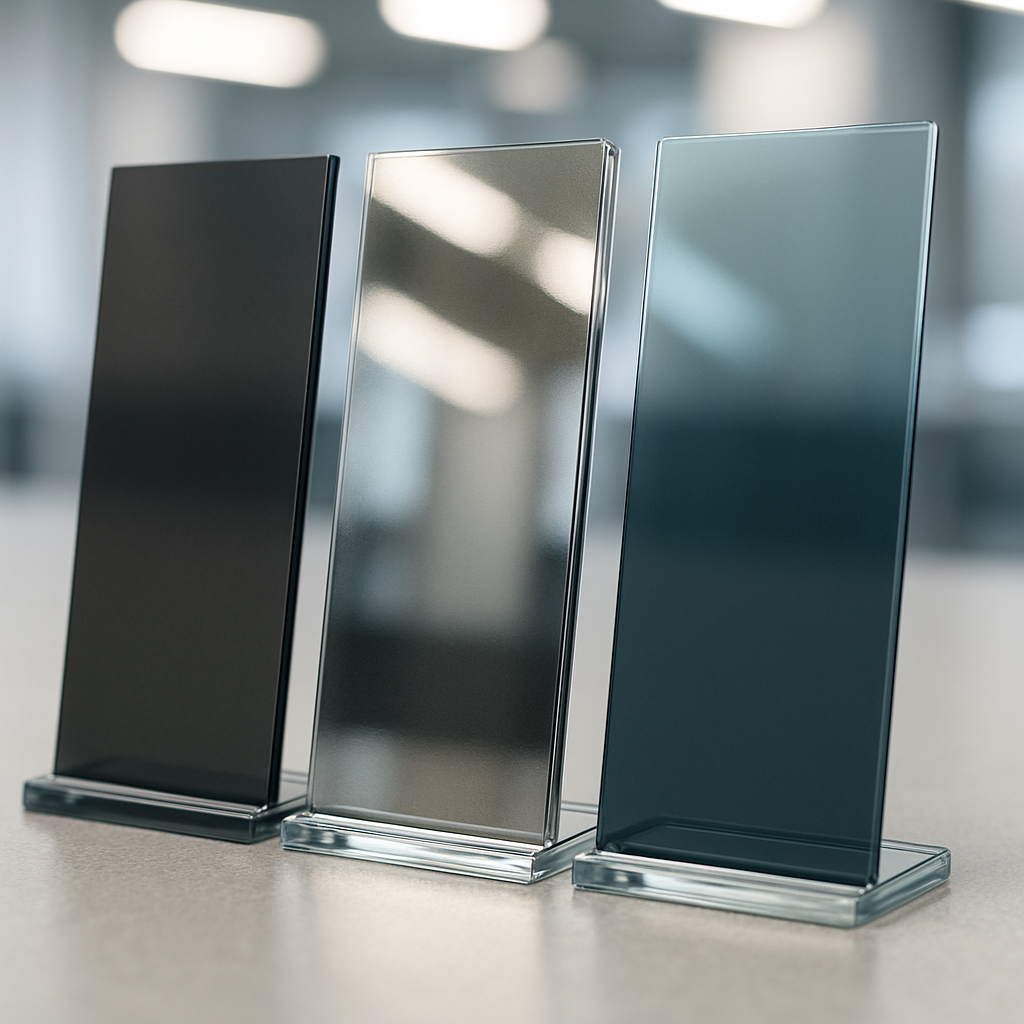
Expected Lifespans by Film Type with Manufacturer Examples
Direct point: Different film chemistries produce very different real world lifespans. Choose by expected service life, not just initial price.
Lifespan ranges and what they mean in practice
| Film type | Typical lifespan (real world range) | Representative manufacturers / product lines | Trade offs and typical failure modes |
|---|---|---|---|
| Dyed film | 5 to 10 years | Madico basic dyed lines | Lowest cost, visible fading and color shift, adhesive may yellow with strong UV exposure |
| Metalized film | 10 to 15 years | Older LLumar metalized tiers | Good heat rejection for price, can cause reflectivity, possible corrosion or oxidation on edges over time |
| Ceramic and spectrally selective | 15 to 25 years | 3M Crystalline, LLumar CTX, Madico premium spectrally selective | Best longevity and color stability, higher upfront cost, still vulnerable to edge lift on poor seals or low E glass |
| Safety and security films | 10 to 20 years depending on thickness and adhesive | 3M safety films, LLumar safety/security series | Durable mechanically, adhesive can delaminate under thermal stress or moisture ingress; performance measured by tear and hold, not just fade |
Practical insight: The lifespan band is a function of product chemistry, but installation details and glass type often change useful life by several years. For example, the same ceramic film installed on a poorly sealed insulated glass unit in a south facing window will fail sooner than a cheaper film on a shaded north facing window.
- Cost versus longevity: Higher tier ceramic or spectrally selective films cost more but usually justify the price in durability, lower visible fading, and stronger published heat rejection over time.
- Signal and reflectivity trade off: Metalized films reject heat well for the money but can interfere with radio, GPS, or toll transponders and create mirror like reflections that matter on storefronts.
- Warranty alignment: A long manufacturer warranty only matters when the product tier, installer credentials, and glass conditions match the warranty terms. Always check whether the warranty requires certified installer installation.
Concrete example: A south facing retail storefront in Bend installed with LLumar CTX spectrally selective film will typically maintain performance for 12 to 20 years because CTX is designed for high UV environments and reduced thermal stress. The same storefront covered with a dyed film will likely show visible fading and reduced heat rejection after 5 to 8 years, forcing earlier replacement and higher lifecycle cost.
Judgment: For Oregon properties that expect high sun exposure or want long term energy payback, ceramic or high end spectrally selective films are almost always the smarter choice. Cheap dyed films are acceptable for short term cosmetic tinting or low exposure windows, but they are a poor long term value and often generate warranty calls that reveal installation or glass issues rather than product defects.
If longevity matters, prioritize film chemistry and installer certification over marketing names. Check manufacturer warranty terms at LLumar warranties and Madico warranty information before you buy.
Oregon Climate and Building Factors That Affect Film Life
Short version: where your building sits in Oregon and the glass you already have matter more to real-world tint film warranty and lifespan than the sticker price of the film. Climate-driven stress and glass construction determine the failure modes manufacturers write into their warranty fine print.
UV and solar load in Central Oregon. Bend and high-desert areas receive stronger UV and larger daytime temperature swings than the Willamette Valley. Higher UV accelerates fade and adhesive breakdown on dyed and lower-tier metalized films, and wide thermal swings raise the chance of delamination on large single-pane glass.
Moisture and edge exposure in Portland, Salem and Eugene. Valley and coastal humidity attack unsealed edges and can encourage staining or adhesive breakdown along perimeter seams. Buildings with poor window drainage or irrigation heads aimed at glass will see edge failures sooner, which many warranties explicitly exclude.
Building and glass factors that change expected service life
- Glass type: insulated glass units (IGUs) with low-E coatings can concentrate heat at the film interface and cause thermal stress; ask whether a film is rated for low-E windows.
- Pane size and framing: large, single panes flex more; flexible adhesives and professional edge treatment reduce risk but add cost.
- Orientation and shading: south- and west-facing facades age film faster; trees or overhangs that provide shading substantially lengthen useful life.
- Interior heat sources: ovens, high-heat light fixtures, and direct radiant heat from interior equipment add thermal load from the inside and increase failure risk.
- Installation quality: tight edge trimming, correct adhesive selection for IGUs, and competent squeegee work reduce early failures—DIY installations are the most common cause of voided claims.
Practical trade-off: spend more up front on ceramic or spectrally selective films when you have south-facing glass in Bend or large commercial storefronts. That reduces replacement frequency and keeps warranty claims simpler. If your windows are shaded and small, a mid-tier metalized film may deliver acceptable life at lower cost.
Concrete example: a downtown Bend bakery with two large south-facing display windows had bubbling and edge lifting within five years after a dyed film install. After inspection we replaced the film with a spectrally selective ceramic film, added edge sealing at the frame, and documented the glass type for warranty records. The building owner traded a higher initial cost for reduced risk of recurrence and a longer manufacturer-backed lifespan.
In practice, manufacturers will deny claims tied to thermal stress, improper substrate, or edge moisture—so where the glass sits and what type it is often determines whether a warranty actually helps you.
If you want data before you buy, ask the installer for examples of long-term work in your city and for manufacturer references such as LLumar warranty terms or guidance from the International Window Film Association. Also review how selected films perform with low-E IGUs and whether the installer will provide a workmanship guarantee in addition to the product warranty.
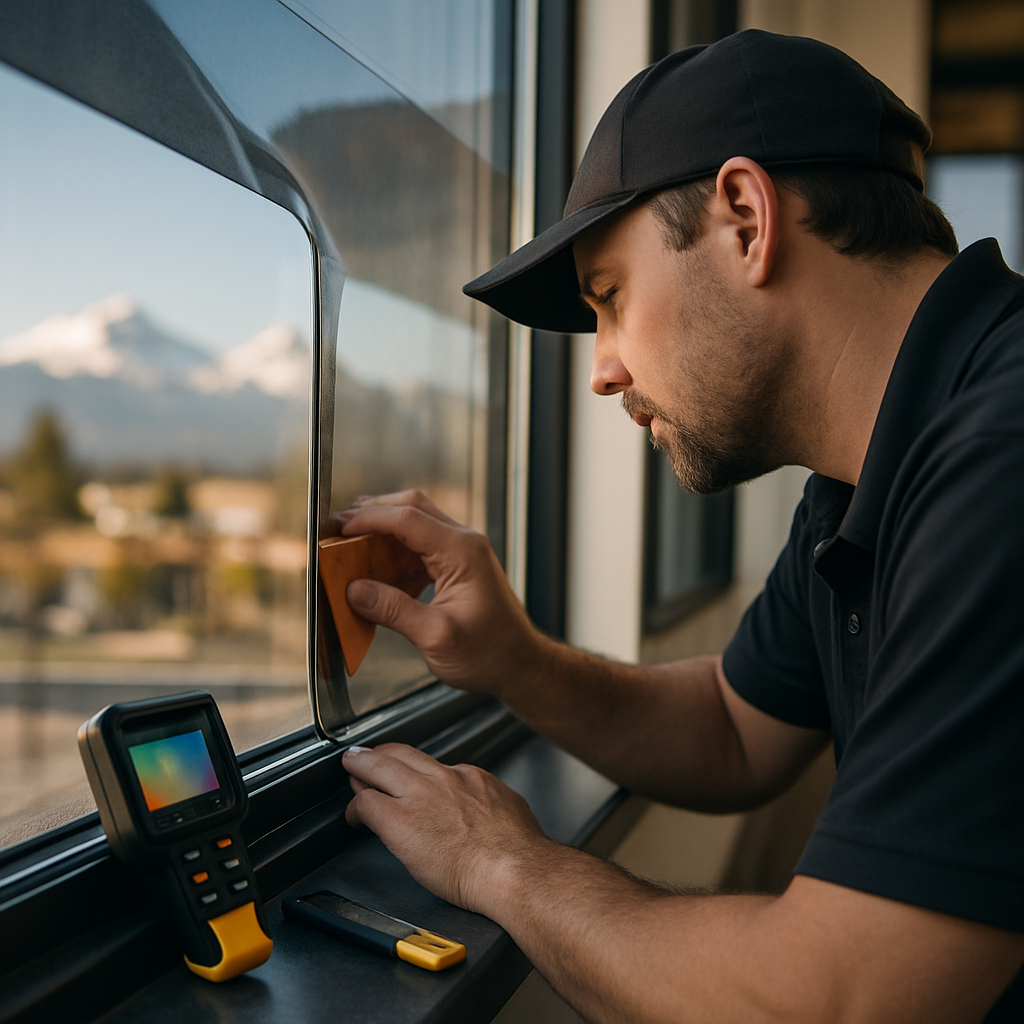
Maintenance Checklist That Preserves Performance and Warranty
Start with the right assumption: maintenance is not optional upkeep — it is a condition of many tint film warranty and lifespan promises. The way you clean, inspect, and document your windows directly affects both performance and whether a manufacturer or installer will pay a claim.
Daily, Weekly, and Monthly Care
- Daily/weekly — light dusting: use a soft microfiber or lambswool duster to remove grit that scratches film.
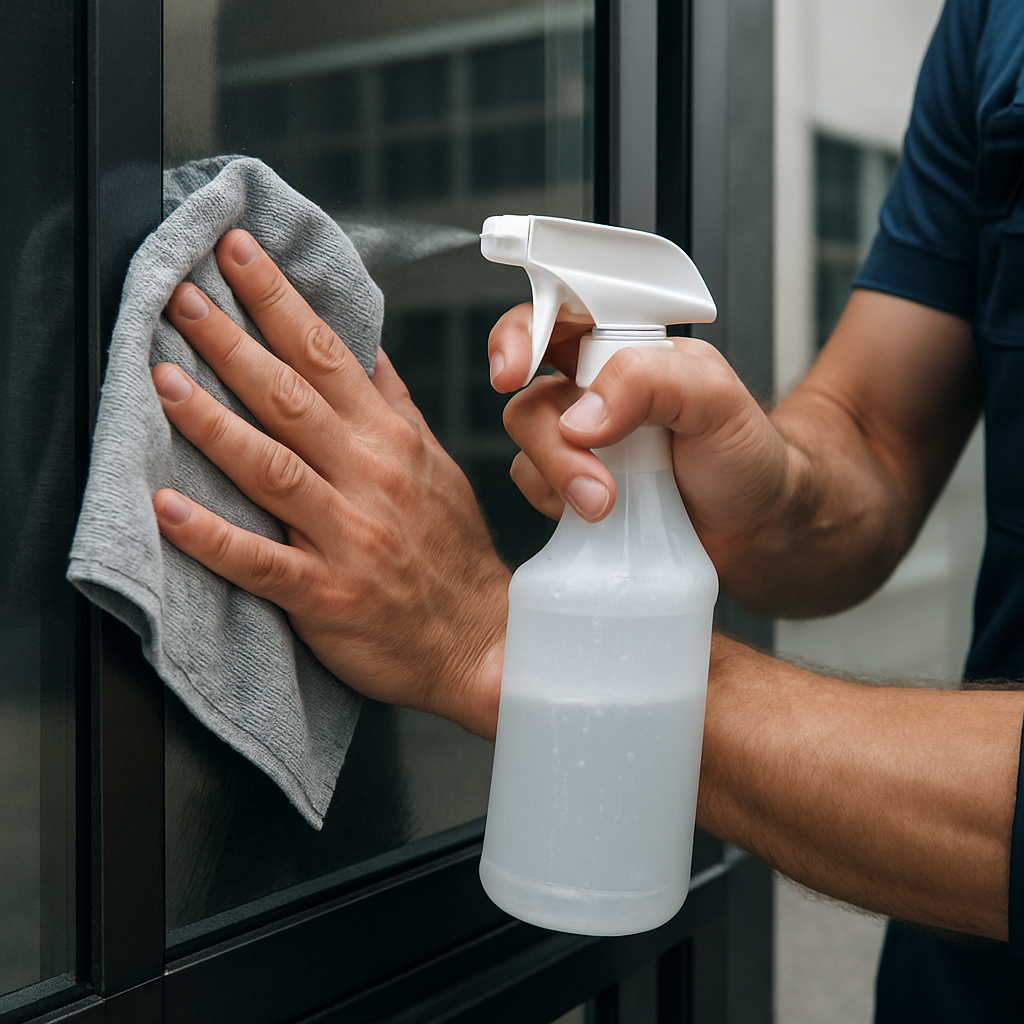
- Weekly/biweekly — surface clean: spray a solution of mild dish soap and water, wipe with a fresh microfiber cloth, then buff dry with a second microfiber. No ammonia.
- Monthly — detailed check: inspect edges, corners, and seal lines for lifting, bubbling, or milky haze; open blinds and check for adhesive staining on frames.
- After storms or construction — immediate inspection: look for impact nicks, chips, or excessive dirt trapped at the edge that can start delamination.
Cleaning specifics matter. Use pH-neutral dish soap, soft spray bottles (not power washers), and microfiber cloths. Avoid razor blades, abrasive pads, window cleaners containing ammonia, and high-pressure hoses — those cause scratches and edge damage installers will cite in warranty denials.
Inspection, Documentation, and Records
Monthly photo-log: take dated photos of each pane from the interior and exterior, focused on edges, visible bubbles, and corners. Store the installer invoice, the product code or film model (for example 3M or LLumar product codes), and any email correspondence in one folder.
- Keep the original invoice and the film model number from the installer.
- Save pre- and post-install photos and the installation date.
- Log any cleaning events that used stronger cleaners or unusual methods, with date and reason.
Practical trade-off: cleaning aggressively reduces dirt-related wear but increases the chance of accidental scratch or edge lift if you use the wrong tools. The safest option is modest frequency with safe materials; if you need heavy cleaning after construction, hire a pro so your warranty stays intact.
Concrete example: A Bend storefront cleaned windows with an ammonia-based spray two weeks after install and later developed edge lifting. The manufacturer denied a warranty claim because the product care instructions — and most warranties — require ammonia-free cleaners and usually a 30-day cure period before heavy cleaning. The owner paid for a partial re-film that could have been avoided with correct first-month care.
What will commonly void coverage: applying aftermarket adhesives or decals directly to film, using harsh chemical cleaners, attempting bubble or edge repairs yourself, and power-washing. Also be wary: attaching blinds or shades that press directly on the film edge can create thermal and mechanical stress that manufacturers exclude from coverage.
Small, well-documented maintenance beats arguments during warranty review. Photograph everything and retain the installer name and product code.
One more practical judgment: if your building sees heavy seasonal dust, salt, or intense sun (Central Oregon), increase inspection cadence and budget for earlier replacement on lower-tier films. For questions about proper cleaners or to schedule a professional inspection, reference your installer or check manufacturer guidance such as LLumar warranties before you act.
If you are unsure whether a cleaning method or minor repair will affect your tint film warranty and lifespan, call your installer before you act.
How to Read a Warranty and Prepare for a Claim
Don't assume a long warranty equals full protection. A marketing phrase like limited lifetime often covers only specific failures (for example delamination or severe discoloration) and may exclude labor, edge failures, or thermal stress. Read the fine print before you need it.
Key terms and where to find them
- Coverage items: lists the exact failures the maker will fix (bubbling, adhesive failure, discoloration, delamination).
- Exclusions: physical damage, improper cleaning, razor/abrasive marks, and thermal shock are common exclusions—these matter in Oregon where temperature swings can be large.
- Labor vs product: some warranties only replace film; others include labor. Note which one applies and for how long.
- Prorated vs full replacement: prorated means your payout declines with age—calculate real cost before assuming a replacement is free.
- Installer requirement: many manufacturer warranties require installation by a certified dealer; a DIY or uncertified installer can void coverage.
- Transferability and registration: check whether the warranty transfers to a new owner and whether you must register the warranty after installation.
- Claim process and timelines: find required notices, proof requirements, and expected response windows (for example submit within 30 days of discovery).
Practical insight: keep the product code or film sticker and the original invoice. Manufacturers and dealers commonly require the exact film code to validate coverage; vague paperwork makes a claim slow or impossible.
Evidence matters more than emotion. When something fails, document it with dated photos (close-up and context), note the date you first saw it, and preserve any removed film fragments. Avoid cleaning, scraping, or attempting a fix before you photograph—those actions can be used to deny a claim.
Who to contact first: start with the installer. Reputable installers will inspect and often handle the warranty claim for you. If the installer fails to respond, escalate to the manufacturer with the installer invoice and product code. For manufacturer policies, see LLumar warranties and Madico warranty information.
Trade-off to accept: a long manufacturer warranty paired with a weak or out-of-business installer is worthless in practice. Prioritize documented installation by a local, stable installer with a clear labor warranty when longevity matters.
Concrete example: A south-facing Bend storefront developed edge bubbling after an unusually hot week. The owner photographed the bubbles (wide and close shots), saved the original invoice showing the LLumar CTX product code, and contacted the installer within 10 days. The installer inspected, confirmed adhesive failure, and initiated a manufacturer claim that covered replacement film while the installer covered labor under their separate 5-year workmanship warranty.
| Document | Why keep it |
|---|---|
| Original invoice and installer name | Proves purchase date, installer certification, and may be required for claims |
| Product/model code or warranty certificate | Identifies the exact film and manufacturer coverage |
| Dated photos and condition notes | Shows timeline and nature of failure; prevents dispute about cause |
Red flags to watch for: vague language about maintenance requirements, short labor coverage, requirements that only the original installer can perform repairs, or clauses that shift responsibility for thermal stress to the owner. These reduce real-world protection and are worth negotiating or avoiding up front. If you want guidance on certified installation vs retail options, see Where to Buy Window Tinting Film.
Signs Your Film Needs Repair or Replacement
Start here: visible defects or sudden performance loss mean act now. Small, stable blemishes are one thing, but bubbling that grows, edge lifting, or sudden hazing are indicators the film is failing in a way that will not self correct and may affect warranty coverage.
- Bubbling or blistering: air pockets are normal soon after install but if bubbles enlarge, become cloudy, or appear after seasonal temperature swings, that suggests adhesive failure or delamination.
- Edge lifting or peeling: film pulling away from the glass edge is a common early sign of poor edge seal or prolonged moisture exposure; this rarely improves without repair or replacement.
- Uniform discoloration or yellowing: when tint shifts color across a whole pane, that tends to be a product breakdown issue and is often covered under a tint film warranty and lifespan claim.
- Haze, loss of clarity, or widespread scratching: film that loses optical clarity reduces visibility and is a functional failure rather than cosmetic wear, especially for commercial storefronts or vehicle rear windows.
- Thermal stress cracks or crazing: spiderweb cracking in or on the film often follows rapid temperature swings and can indicate the wrong film for the window glazing or orientation.
- Performance failures: interiors heating up more, increased glare, or accelerated fading of furnishings despite the film being installed are signs the film is no longer providing designed UV or heat rejection.
Key limitation: not every visual flaw equals a manufacturer defect. Warranties usually exclude physical damage, improper cleaning, and thermal shock caused by underlying glass issues. For any claim gather dated photos, the original invoice, and the film product code before you call the installer or manufacturer; see LLumar warranties for an example of typical coverage and exclusions.
Quick triage and what to expect
- Photograph and timestamp: take wide and close photos from both sides, showing the whole window and the defect detail.
- Note conditions: record recent weather, cleaning products used, and whether the issue followed an event such as a strong sun day or window replacement.
- Check paperwork: confirm film code, installer name, and warranty term on the invoice. If the film was purchased retail rather than professionally installed the warranty outcome may differ.
- Avoid DIY fixes: do not scrub, cut, or apply adhesive tapes. Temporary patches can void warranty coverage and make a legitimate claim harder to prove.
Concrete Example: A south facing storefront in Bend developed edge bubbling eight years after installation. Photos showed bubbles tracking from the outer edge inward and discoloration near the seal. Because the film was a mid tier metalized product exposed to high midday sun, the installer documented the issue, confirmed the original product code, and submitted a claim; the manufacturer approved pro rated replacement for the affected panes rather than a patch.
Trade off to weigh: patching or spot repairs save money short term but often reduce remaining life and can void installer labor guarantees. When failure is due to adhesive breakdown or edge seal failure, full panel replacement usually gives better long term value and preserves any remaining transferable warranty.
Cost, ROI, and Decision Guide for Replacement
Replacement is an investment decision, not just a maintenance chore. Treat failing film the same way you would an HVAC component: compare remaining useful life, direct cost, and the value of restored performance before you sign off on replacement.
How to judge cost versus benefit
Quick rule of thumb: if more than 25 to 30 percent of connected glazing shows irreversible defects or performance loss, replacement usually beats patching. Patches and edge repairs are cheaper up front but rarely restore uniform solar control or appearance across an elevation.
Practical trade-off: lower-cost dyed films reduce initial spend but shorten useful life and increase total cost over time because they usually need replacement within 5 to 10 years. Investing in premium ceramic or spectrally selective films raises up-front cost but reduces replacement frequency and energy losses — that can matter in Bend where solar load is high and thermal stress shortens cheaper films.
Concrete example
Concrete Example: A small commercial office with 200 square feet of south-facing glass in Bend has failing metalized film. A mid-tier replacement runs about $10 per square foot installed ($2,000). Upgrading to a premium ceramic film is $14 per square foot ($2,800). If the premium film reduces cooling load by an extra 6 percent and the building spends $3,000 per year on cooling, that 6 percent saves $180 per year. With available rebates and longer expected life, the ceramic option often pays back faster in real projects despite higher upfront cost. See our Window Film Energy Rebates in Oregon page for rebate details that change the math.
Simple ROI calculation you can run
- Estimate annual energy cost influenced by glazing: use a recent utility bill or building model.
- Estimate percent reduction from the new film: conservative ranges are 3 to 6 percent for mid-tier films and 6 to 12 percent for premium spectrally selective/ceramic films; check manufacturer performance tables.
- Multiply to get annual savings: annual energy cost times percent reduction.
- Calculate payback: installed cost divided by annual savings. Factor in rebates and tax incentives to shorten payback.
Note on warranties and sunk cost: don’t let an existing warranty paper over a poor decision. If the current film is past its warranted lifespan or the warranty excludes thermal stress and the building gets high sun exposure, a free replacement claim is unlikely. In practice, warranty coverage can change your decision only if the defect falls clearly within the warranty terms and the manufacturer or installer acknowledges it.
| Option | Typical installed cost | When to choose | Warranty and longevity |
|---|---|---|---|
| Spot repair or edge reseal | $50 to $300 per opening | Isolated lifting or small bubbles; film still mostly intact | May preserve remaining warranty but rarely extends lifespan |
| Mid-tier replacement (metalized / dyed) | $8 to $12 per sq ft | Tight budget, short term occupancy, or low solar load | Shorter lifespan (10-15 years typical); limited long-term savings |
| Premium ceramic / spectrally selective | $12 to $20+ per sq ft | Long-term owner, high solar exposure, or where appearance and comfort matter | Longer lifespan (15-25 years typical) and stronger performance guarantees |
Hidden costs people miss: labor for removal, risk of glass damage during removal, and lost tenant comfort while work is done. These drive the real replacement cost higher than the sticker price and argue for combining multiple buildings or floors into a single project to lower per-window mobilization costs.
If the film is still within a valid replacement warranty for adhesive failure or delamination, pursue the claim first. If not, prioritize upgrading to a longer-lasting film where energy savings and reduced replacement frequency justify the premium.
Final consideration: when weighing cost, include non-energy benefits like UV protection, occupant comfort, and resale appeal. Those factors often tip the decision toward higher-grade films with better tint film warranty and lifespan profiles even when the simple energy payback looks marginal. For an on-site estimate and local rebate review, schedule a field assessment so the numbers reflect your Oregon climate and building specifics.
