
Roseburg Window Tinting Guide: Costs, Options, and Local Regulations
If you own a home, storefront, or vehicle in Douglas County, roseburg window tinting can cut glare, protect interiors, and reduce cooling loads—but film choice and compliance matter. This guide explains the film types that work best in Roseburg, gives realistic installed cost ranges for residential, commercial, and automotive projects, and summarizes the Oregon and local regulatory checkpoints to verify before you install. You will also get a practical installer vetting checklist and example estimates to help decide when to DIY and when to call a certified pro.
1. Why Window Tinting Is Valuable for Roseburg Properties
Local reality: Roseburg does not have desert heat, but south and west exposures still drive uncomfortable glare, faded interiors, and measurable solar heat gain on warm afternoons. Year round UV exposure will slowly degrade wood floors, upholstery, and window treatments even when outdoor temperatures are mild.
Practical benefits: Window film delivers a short list of tangible outcomes that matter in Roseburg: UV blocking up to 99 percent which preserves finishes, reduced glare for screens and TVs, lower peak surface temperatures on glass, improved occupant comfort without changing blinds, and added privacy or security for ground floor rooms and storefronts.
- UV protection: Protects furnishings and limits fading
- Glare and comfort: Keeps south and west rooms usable during afternoon sun
- Heat control: Solar control and ceramic films reduce infrared transmission with less visual darkening
- Privacy and security: Frosted and safety films protect sightlines and slow forced entry
- Aesthetics and daylight: Decorative films provide design options without permanent glazing changes
Important tradeoff: Darker is not always better. Many homeowners choose the darkest visible light transmission to block glare, then regret the loss of daylight and view. In practice, ceramic and high performance solar control films give better heat rejection per unit of visible light reduction than basic dyed films. Low cost dyed films will perform short term and can fade or bubble in a few years; spend more on film and installation if longevity matters.
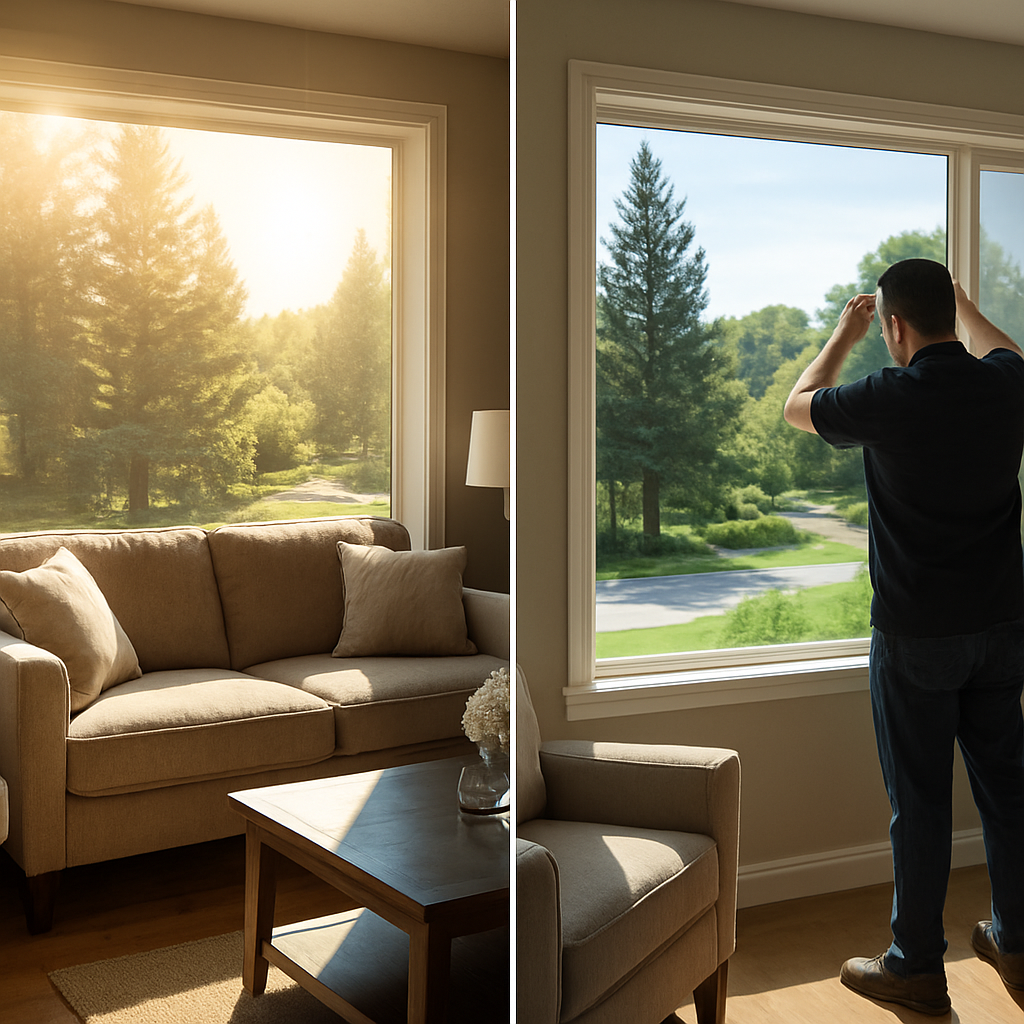
Concrete example: A typical single story Roseburg home with a south facing living room and large picture windows saw immediate glare reduction and a noticeable drop in window surface temperature after installing a Huper Optik ceramic film. The family kept full daylight and view, eliminated afternoon TV glare, and used shades less often. That outcome is what clients describe when the goal is comfort first and maximum darkness second.
What works best in Roseburg: Prioritize films that block UV and reject infrared while preserving visible light for living spaces. For storefronts and ground floor offices, add security or thicker safety films where break in risk exists. For attic skylights or rooms used mainly for daytime occupation, ceramic IR rejecting films are usually the best value.
Where to check next: For energy and incentive context review Energy Trust of Oregon and technical performance background at the Efficient Windows Collaborative. When you are ready to vet installers, see our practical checklist at Window Tinting Place Near Me: How to Vet Local Shops and Contractors | Tinting Oregon.
2. Window Film Types and Real Product Examples
Key point: choose films by which part of the solar spectrum you need to control — visible glare, infrared heat, or UV — not by price alone. In Roseburg that choice determines occupant comfort, code interactions, and whether you keep daylight without going legally or visually dark.
Practical film types and real products
- Solar control films: 3M Prestige Series, Llumar CTX. Good for cutting solar heat and UV while keeping moderate visible light. Tradeoff: mid cost, dye-free but some models still reduce perceived brightness.
- Ceramic and IR rejecting films: Huper Optik, 3M Ceramic IR. Best heat rejection without heavy tinting; preserves daylight and reduces HVAC load. Budget is higher but they avoid the cloudy look and do not block radio/GPS signals.
- Low E retrofit films: Eastman Low E. Designed to reduce winter radiant heat loss and improve U-factor of existing glass. Limitation: gains are modest on modern double-pane units and cannot fully substitute for replacing low E windows.
- Safety and security films: 3M Ultra Safety and Security, Armorcoat. Available in 4 to 8 mil and thicker; they hold glass fragments and slow entry. Tradeoff: thicker films cost substantially more and sometimes require edge work or anchors for full blast mitigation.
- Decorative and privacy films: 3M Fasara, Llumar Frost. Aesthetic control and daytime privacy; no significant thermal benefit unless combined with solar coatings.
- Anti-graffiti/maintenance films: Specialty clear films for high-contact storefronts. They are sacrificial and practical for downtown Roseburg facades where vandalism or heavy cleaning is a concern.
Reality check: inexpensive dyed films are still sold and will lower glare and VLT cost-effectively, but they fade, trap heat, and offer poor IR rejection. For most Roseburg homes facing south or west I recommend spending up front on ceramic or 3M Prestige models because they remove heat with less visible darkening and last longer under Pacific Northwest sun.
| Film Type | Primary Benefit | Example Product | Typical installed cost band |
|---|---|---|---|
| Solar control | Good solar and UV reduction | 3M Prestige Series | Moderate – USD 8 to 14 per sq ft |
| Ceramic / IR reject | Best heat rejection with high VLT | Huper Optik / 3M Ceramic IR | Higher – USD 12 to 18 per sq ft |
| Low E retrofit | Improves winter performance | Eastman Low E | Moderate to high – depends on glass |
| Security | Resists forced entry and fragmentation | 3M Ultra Safety | High – varies with thickness and anchors |
Concrete example: a Roseburg homeowner with a south facing living room and large picture windows chose Huper Optik ceramic film. The installer preserved bright indoor daylight while cutting peak afternoon heat, which reduced AC runtime without making the room feel dim. The homeowner paid a premium up front but avoided the aesthetic darkness and signal issues common with metalized films.
Installer and warranty tradeoff: manufacturer warranties from 3M, Llumar, and Eastman matter only if a certified installer fits the film. Cheap online kits and DIY installs usually void those warranties and create edge lift or bubbling in two to five years under Oregon conditions.
Next consideration: pick the film that answers your primary problem — heat, privacy, security, or winter loss — then match to a certified installer who can show local examples and warranty paperwork. For local service options see Tinting Oregon and use their vetting guide for professional window tinting Roseburg projects.
3. Residential Projects in Roseburg: Typical Scopes, Costs, and ROI
Quick reality: most Roseburg homeowners will see residential window tint projects fall into three price bands rather than a single flat rate. Basic solar/dyed films commonly install for about $8–12 per sq ft, mid-range metalized or hybrid films for $10–15 per sq ft, and premium ceramic/IR-rejecting films for $12–18 per sq ft. Security and thick safety films start higher — typically $15–$30 per sq ft — because labor and edge treatment matter.
- Glass geometry: large picture windows are cheap per sq ft; lots of small panes, muntins, or decorative glass blow up labor.
- Access and height: second-story, skylights, or angled glass require lifts or scaffolds and raise hourly install costs.
- Existing film or damage: removing old film or replacing failed IG units adds $2–$6 per sq ft or more.
- Performance spec: the name on the can matters —
3M Prestige, Huper Optik, and Llumar CTX carry premium pricing tied to warranties. - Volume discounts: whole-house installs often drop the unit price; expect lower per-sq-ft on 400+ sq ft projects.
Real-world estimates (assumptions listed)
Concrete Example A: A typical 10-pane, single-story home with about 120 sq ft of treatable glass (standard rectangular windows, ground-floor access, no film removal). Using 3M Prestige at $13/sq ft installed equals roughly $1,560. The same job with a Huper Optik ceramic at $16/sq ft comes to $1,920. Expect installers to quote a small travel/minimum fee; ask for a line-item price.
Concrete Example B: A three-season sunroom with 60 sq ft of exposed glazing can be a poor candidate for cheap dyed film because summer heat gain is concentrated. A ceramic IR film at $15/sq ft is about $900 installed; a safety film at $22/sq ft is about $1,320 — choose based on whether heat control or impact resistance is the priority.
Trade-off that matters: if you prioritize daylight retention plus heat rejection, spend up for ceramic IR-rejecting films — they cost more up front but avoid the darkening that frustrates homeowners. If your goal is basic glare reduction and privacy on a budget, a lower-cost film does the job but will underperform on infrared rejection and often delaminate sooner.
ROI judgment: don’t expect universal 2–3 year paybacks. In Roseburg the realistic payback window is usually 5–12 years — shorter when you have large west/south exposures or an AC that runs heavily in summer. Verify potential savings for your house using program guidance from Energy Trust of Oregon and ask installers for modeled savings tied to your utility rates.
Practical installer note: require the installer to list manufacturer warranty terms in writing and to document existing glass condition before work starts. In practice, warranties matter only if the installer is certified and local — a lifetime warranty on paper is worthless if the shop is out of business when you need a claim.
4. Commercial and Storefront Installations: Requirements and Cost Drivers
Commercial storefront projects carry technical and logistical costs that residential jobs do not. Expect higher per square foot pricing because access, working hours, and life safety implications change the job entirely.
Key variables that drive price and approval
- Access and height: jobs requiring lifts, scaffolding, or lane closures add direct costs and schedule constraints
- Glass type and condition: tempered, laminated, insulated glazing units, or heat strengthened units each affect film selection and risk of thermal stress
- Film performance: high IR rejecting ceramic or Low E films cost more but reduce HVAC load; reflective films change facade appearance and may trigger design review
- Safety and security needs: thick safety films or mandated glazing upgrades require heavier labor and often edge treatments or mechanical anchors
- Work hours and tenant impact: after hours work to avoid business disruption increases labor rates and may require longer mobilization
Practical insight – tradeoff between appearance and performance. Many owners pick high visible light transmission films to keep display windows bright. That is reasonable but it reduces achievable heat rejection. For exposed south or west facades the right compromise is a ceramic IR rejecting film that preserves daylight while cutting heat – more expensive up front but avoids darkened displays that reduce retail traffic.
Limitation to watch for – thermal stress and warranty risk. Applying a high heat rejection film to glass that is already heat stressed or unevenly tempered can cause spontaneous breakage. A competent installer will test panels and may decline sections or recommend replacement glazing. Cheap shops often ignore this and pass breakage claims back to the owner.
Concrete example: A downtown Roseburg storefront with 200 square feet of single pane glass on a two story facade required a premium ceramic solar control film. Base installed film cost was about 20 USD per square foot, plus a one day boom lift rental of 600 USD and an out of hours premium of 300 USD. Installed total was about 4,900 USD. The owner accepted the higher cost to avoid darkened displays and to reduce midday HVAC cycling in summer.
| Cost Driver | Typical impact on installed price |
|---|---|
| Height / access – lifts or scaffolds | +300 to +1,200 USD per day depending on equipment |
| High performance ceramic or Low E film | +4 to +10 USD per sq ft over basic dyed film |
| Safety/security film or thicker laminate | +2 to +8 USD per sq ft and longer labor time |
| Facade aesthetics / reflective finish | May require design review or permit, schedule adders |
Judgment call for owners. If the project sits on a busy commercial corridor prioritize certified installers with commercial references even if their quote is 15 to 25 percent higher. The extra cost buys correct glass assessment, proper access planning, and warranty accountability – all the things that prevent expensive callbacks and potential code headaches. For Roseburg storefronts contact a professional for a survey and written scope before ordering film.
5. Vehicle Tinting in Roseburg and Oregon Regulations to Verify
Start with the DMV page. Vehicle tinting is controlled by state law, not by local shops; always verify current rules on the Oregon DMV site before you order tinting: Oregon DMV – vehicle tinting guidance. Do not accept an installer telling you a VLT number is fine without showing it against the current statute.
What a practical compliance check looks like
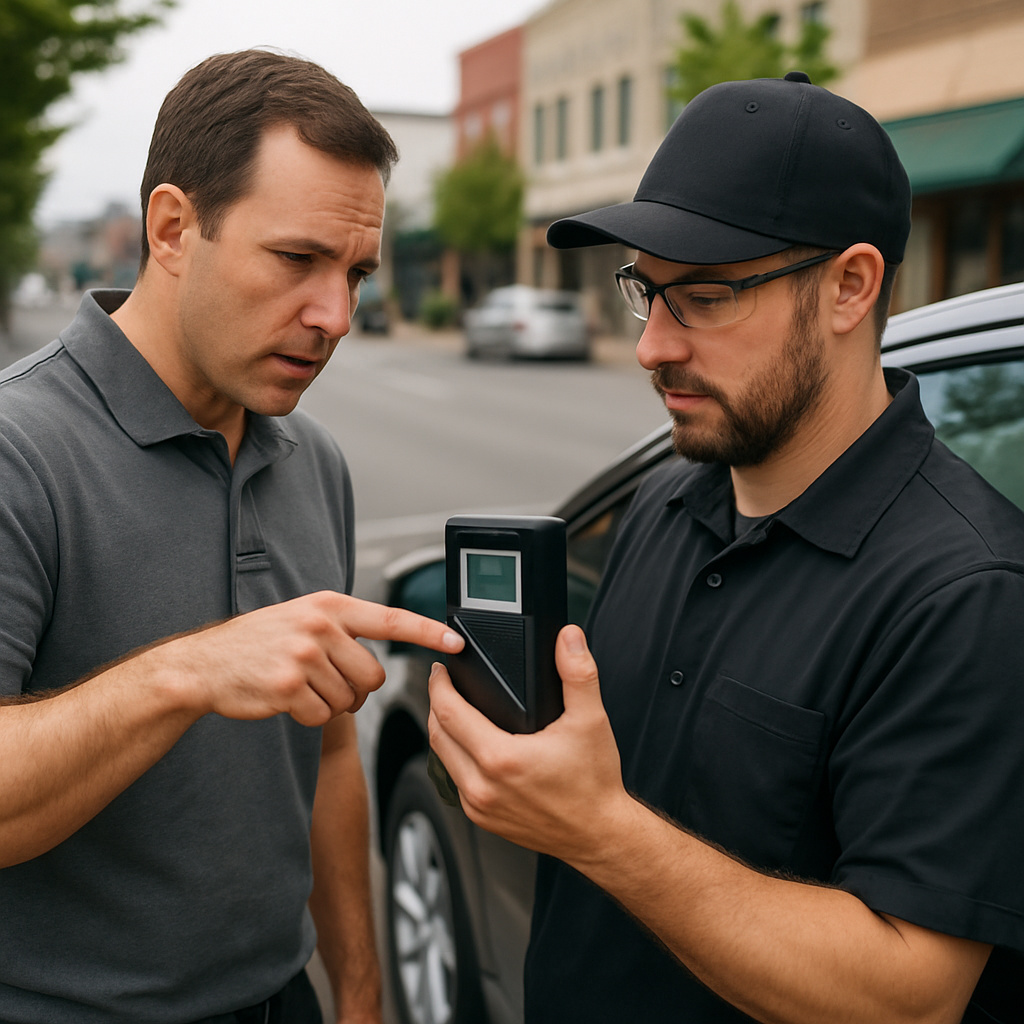
Bring a compliance expectation to the shop. A competent installer will measure Visible Light Transmission with a calibrated meter on your vehicle before and after install, provide a written VLT reading and film specification sheet, and affix a small compliance label or paperwork you can carry. If they cannot measure on-site, walk away.
- Documented VLT: Ask for a post-install VLT reading recorded on company letterhead.
- Manufacturer markings: Film should have factory or manufacturer identification; request the product spec sheet (for example 3M Prestige or Huper Optik ceramic data).
- Installer liability: Get a written statement that the installed film will meet Oregon requirements or they will correct it at their expense.
- Medical exemption awareness: If you rely on a medical exemption, verify state procedures with the DMV and carry the paperwork.
Trade-off to understand: Darker dyed films are cheap and give privacy, but they often fail compliance for front side windows and reduce night visibility. Ceramic and IR-rejecting films cost more but allow higher heat rejection at higher VLT—this is the single best way to get cooling benefits without flirting with legal risk.
Concrete example: A Roseburg driver wanted near-black rear windows on a Subaru Outback and premium heat control on the front. The installer used a high-performance ceramic on the front side windows to preserve VLT and installed a darker film on the rear glazing. After installation the shop measured VLT, printed the readings and attached a compliance slip in the glovebox.
Enforcement and practical consequences: Police and safety inspectors use handheld meters and can ticket or require removal of illegal tint. Removing film is messy and costs more than picking the right film initially. Do not assume an aftermarket sticker from the installer prevents a citation; the meter reading is what matters.
Final practical note: If your priority is maximum privacy, accept the operational cost: darker rear tint, lighter front, and expect to show documentation during inspections or when selling the vehicle. Choosing the wrong film is avoidable; use the DMV page, demand measurements, and pick ceramic if you want both heat control and a low legal risk profile.
6. Local Permitting, Historic Districts, and When to Contact City of Roseburg
Straight to the point: contact the City of Roseburg planning staff before specifying any film that will noticeably change a building facade or storefront appearance. Local design review rules and historic district overlays are where projects stall, not at the installer shop.
When a permit or design review is likely required
- Commercial storefront changes: replacing or covering large areas of glazing, adding security film that visibly darkens glass, or changing exterior appearance – these often trigger a permit or design review
- Historic district or landmark properties: many guidelines restrict reflective or dark films and require design board approval before work proceeds
- Energy code or building envelope work: if the retrofit affects U-factor or SHGC reporting for compliance, the project can require documentation or permit filings
- Alterations that affect signage, accessibility, or egress glazing: these have separate code implications and should be flagged early
Practical limitation: small interior residential installations rarely need a permit, but visible exterior-facing films on homes inside a historic overlay can. Treat local planning review as a calendar item – expect 2 to 6 weeks for review depending on workload, and factor that into your project timeline and install quotes.
Concrete example: a downtown Roseburg coffee shop wanted a low-reflective solar film on a Victorian storefront. The City required a design packet showing sample film finish, manufacturer data sheet, and before and after mockup photos. The installer supplied 3M Prestige product specs and a non-reflective sample; the design review board approved the film with a single condition to avoid mirrored finishes.
What to ask your installer to prepare: product data sheets, Visible Light Transmission and Solar Heat Gain Coefficient values, warranty paperwork, scaled before and after elevations, and installer proof of certification. If the job is commercial, ask for an energy calculation or letter that explains how the film affects compliance with Oregon energy code.
Where to go for verification: check City of Roseburg Planning for local rules and contact planning staff for confirmation. For installer selection and documentation support see Tinting Oregon and our vetting guide at Window Tinting Place Near Me: How to Vet Local Shops and Contractors.
7. How to Choose a Local Installer and What to Expect on Install Day
Start with the installer, not the price. For Roseburg window tinting projects the difference between a clean 15 year installation and a bubbled, peeling mess is almost always the installer. Look for proof of manufacturer certification from 3M, Llumar, or Huper Optik, a local project portfolio, and clear written warranty language that names both the film brand and the installer.
- Vetting checklist: Request certificates for 3M or Llumar training, at least three recent local references in Douglas County, photos of finished jobs similar to yours, and a written estimate that lists film brand, series, VLT, thickness, and installed price.
- Insurance and business basics: Verify general liability and workers compensation, physical shop address, and a local phone number rather than a PO box.
- Warranty details to demand: Manufacturer warranty duration, whether it is transferable, what actions void the warranty, and whether the installer will register the warranty with the manufacturer.
- Mobile vs shop install: Ask whether the installer uses a climate controlled van or performs work outdoors. Mobile is fine for cars and small residential jobs but avoid outdoor installs on windy or wet days for commercial glass.
What you will see on install day
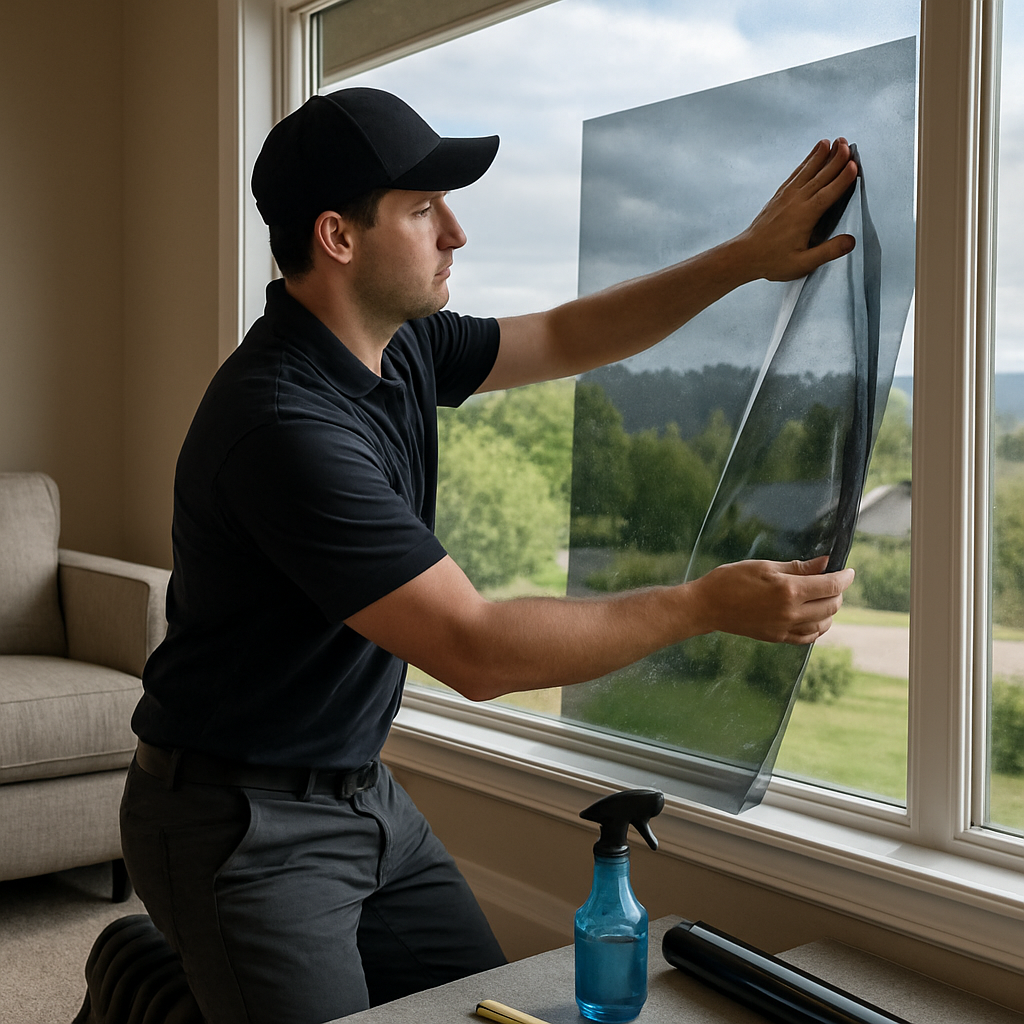
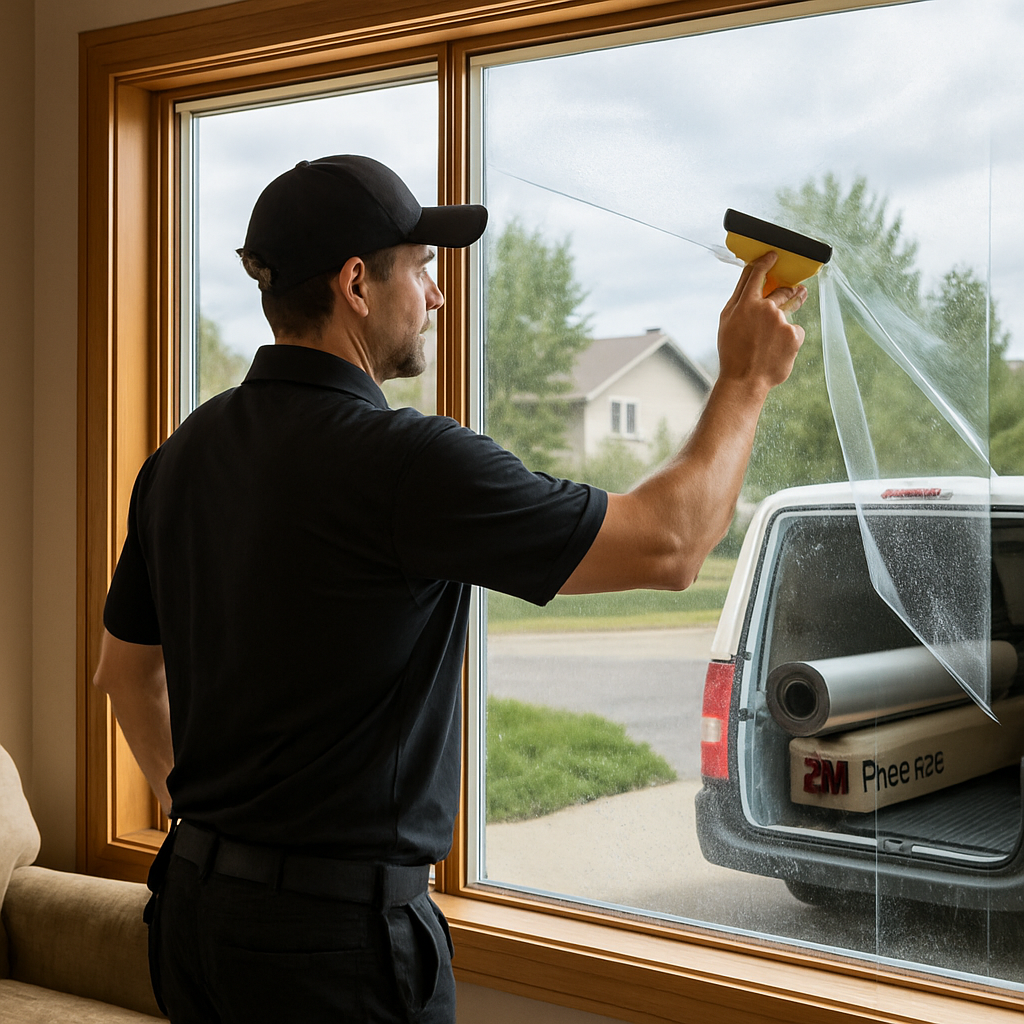
Simple timeline: A proper residential or storefront install follows the same stages: site survey and measurements, glass cleaning and prep, precise cutting or pre-cutting in the shop, wet application, squeegee and edge finishing, trimming, and final inspection.
- Installer arrives with film labeled and documented; they confirm square footage and film specs before starting.
- Thorough glass cleaning using ammonia free solutions; installers will remove screen or window treatments if needed.
- Application and squeegeeing; most single room installs take a few hours, whole houses require a full day.
- Cure period of 48 to 72 hours for residential solar films; do not roll down car windows or apply stickers during this time.
- Final inspection, photographic record, and warranty registration or paperwork handed to the customer.
Practical tradeoff: Mobile window tint service is convenient for busy drivers and small jobs. For large storefronts and delicate commercial glass prefer shop or a crew with a climate controlled staging area. Install quality degrades rapidly when temps are below 40 F or above 95 F and when wind or direct rain interferes.
Common warranty pitfall: Lifetime or long term warranties often require that the installing shop register the job with the manufacturer. If the shop goes out of business or fails to register, the homeowner loses recourse. Ask for a copy of the registered warranty number or confirmation email on install day.
Concrete Example: A Roseburg homeowner chose a certified installer for a 12 window job using 3M Prestige. The crew pre cut panels in their van, completed the house in one day, photographed every window, and emailed the manufacturer warranty registration to the owner. The measurable difference was zero installation callbacks and the owner had documentary proof for future resale or warranty claims.
Important: Do not accept vague estimates. The written quote must include film brand, series, VLT, installed area and warranty terms.
8. Cost Comparison Table and Decision Framework
Practical point: choose by the performance metric you need, not by price alone. Installed cost is only part of the decision — access, glass type, warranty, and legal compliance in Oregon will change total project cost and long term value.
| Film Type | Installed Cost | Primary Benefit | Best Roseburg Use Case | Key Trade-off |
|---|---|---|---|---|
| Dyed / Basic Solar | $8 – $12 / sq ft | Glare reduction and privacy, lowest upfront cost | Budget whole-house retrofit where heat rejection is secondary | Fades over years; lower IR rejection |
| 3M Prestige / High-performance Solar | $12 – $18 / sq ft | Strong solar control with lighter VLT | South or west living rooms that need daylight and heat reduction | Higher cost than dyed films; modest upgrade in winter insulation |
| Huper Optik / Ceramic IR | $14 – $20 / sq ft | Excellent heat rejection with minimal darkening | Large picture windows or sunrooms in Roseburg wanting daylight retention | Premium price; verify certified installer for expected IR performance |
| Eastman Low E Retrofit | $15 – $25 / sq ft | Improves winter insulation and reduces radiant heat loss | Older single-pane windows where winter comfort matters | Less impact on summer cooling than IR ceramic; best for insulation |
| Safety / Security Film (3M Ultra) | $15 – $30+ / sq ft | Hold-glass on impact; delay forced entry | Ground-floor storefronts, entry doors, or law firm offices | Adds weight to glass; may affect egress or sprinkler design |
| Decorative / Privacy (3M Fasara, Llumar Frost) | $10 – $18 / sq ft | Aesthetic privacy, branding, daylight diffusion | Conference rooms, retail fronts, residential bathrooms | Adds design value but limited thermal benefit |
| Automotive Ceramic (auto window) | $250 – $600 / vehicle | High heat rejection and legal-compliant VLT options | Cars and trucks for drivers wanting heat reduction without darkness | Price quoted per vehicle; be sure installer documents VLT for Oregon compliance |
Decision framework – step by step
- Set your primary objective: pick one – heat rejection, privacy, security, or winter insulation.
- Match film family to objective: choose ceramic for heat rejection with daylight, Low E for winter comfort, safety film for security.
- Estimate installed area and access costs: tall storefronts and skylights raise labor and equipment costs; factor lift or scaffold hours.
- Check compliance and documentation: verify Oregon rules for vehicles and any Roseburg historic overlay before ordering visible films; request product data sheets and SHGC/TSER numbers.
- Vet warranty and removal policy: insist on manufacturer-backed warranty and a written removal clause if film fails to adhere or discolors.
Concrete example: a south-facing living room with 200 sq ft of single-pane glass will get the best daytime comfort with Huper Optik ceramic. Expect an installed ballpark of $2,800 to $4,000, minimal visual darkening, and noticeably lower peak afternoon temperatures. If the homeowner instead prioritizes winter comfort and has high heating bills, a Low E retrofit may deliver better year-round ROI despite similar installed cost.
Limitation and trade-off: spending more on top-tier film has diminishing returns when glass area is small or shaded by overhangs. For small south windows, the extra 30 to 50 percent cost of ceramic over dyed film often does not pay back in comfort or energy savings.
Next consideration: when comparing final proposals, require per-square-foot pricing, glass area measured on site, explicit access fees, and the exact film model name so you can compare SHGC, VLT, and warranty details rather than just sticker price.
