
Corvallis Window Tinting: Top Uses for Homes and Offices
Corvallis window tinting does more than darken glass – it cuts solar heat gain, blocks up to 99 percent of UV that fades furniture, and adds privacy or impact resistance for homes and offices. This guide covers the top uses, recommended film types and brands, realistic performance for the Willamette Valley climate, and the questions to ask a local installer so you can compare options and get a measured estimate.
1 Reduce summer heat and lower cooling costs with solar control film
Key point: Installing solar control film on south- and west-facing glazing is the single most cost-effective retrofit for cutting peak solar heat gain in Corvallis homes and small offices.
How it works: Spectrally selective and reflective films reduce the amount of short-wave solar energy entering a space while still allowing visible light. That reduced energy load translates into lower zone temperatures and shorter AC run times during late-afternoon sun. For baseline guidance see the U.S. Department of Energy and industry performance data from IWFA.
- Recommended film types: 3M Sun Control Series, LLumar Solar Series, Huper Optik ceramic films.
- Practical trade-off: Reflective or darker films give the best heat rejection but change exterior appearance and can make rooms look dimmer; ceramic spectrally selective films cost more but keep color and daylight while still cutting heat.
- Glass considerations: Single-pane windows see the biggest immediate benefit; insulated double-pane or low-E glass reduce the relative gain but still improve peak-load behavior.
Performance expectations: Expect solar heat gain reduction in the range of roughly 30–70 percent depending on film choice, glass type, and orientation. In practice that usually produces a 3–7°F drop in peak zone temperatures and noticeable reductions in afternoon AC runtime for west-facing rooms.
Concrete example: A two-story Corvallis home with a west-facing living room and large single-pane picture windows switched to a mid-range spectrally selective film from 3M. The homeowner reported reduced glare, a 5°F drop in peak indoor surface temperature on the western wall, and shorter AC cycles during 90°F afternoons — enough to reduce perceived stuffiness without darkening the space.
Limitations and considerations: Films do not change the R-value of single-pane glass significantly; they reduce solar gain, not conductive losses. If your goal is winter insulation or condensation control, pair film with other measures. Also check storefront or historic-district rules before choosing high-reflectance finishes.
Installer judgement: Results hinge on proper measurement and matching film to glass. A certified installer will evaluate orientation, VLT, and existing coatings, provide manufacturer datasheets, and run a realistic performance estimate — ask for measured examples from local projects. For Corvallis projects contact Tinting Oregon for an on-site assessment.
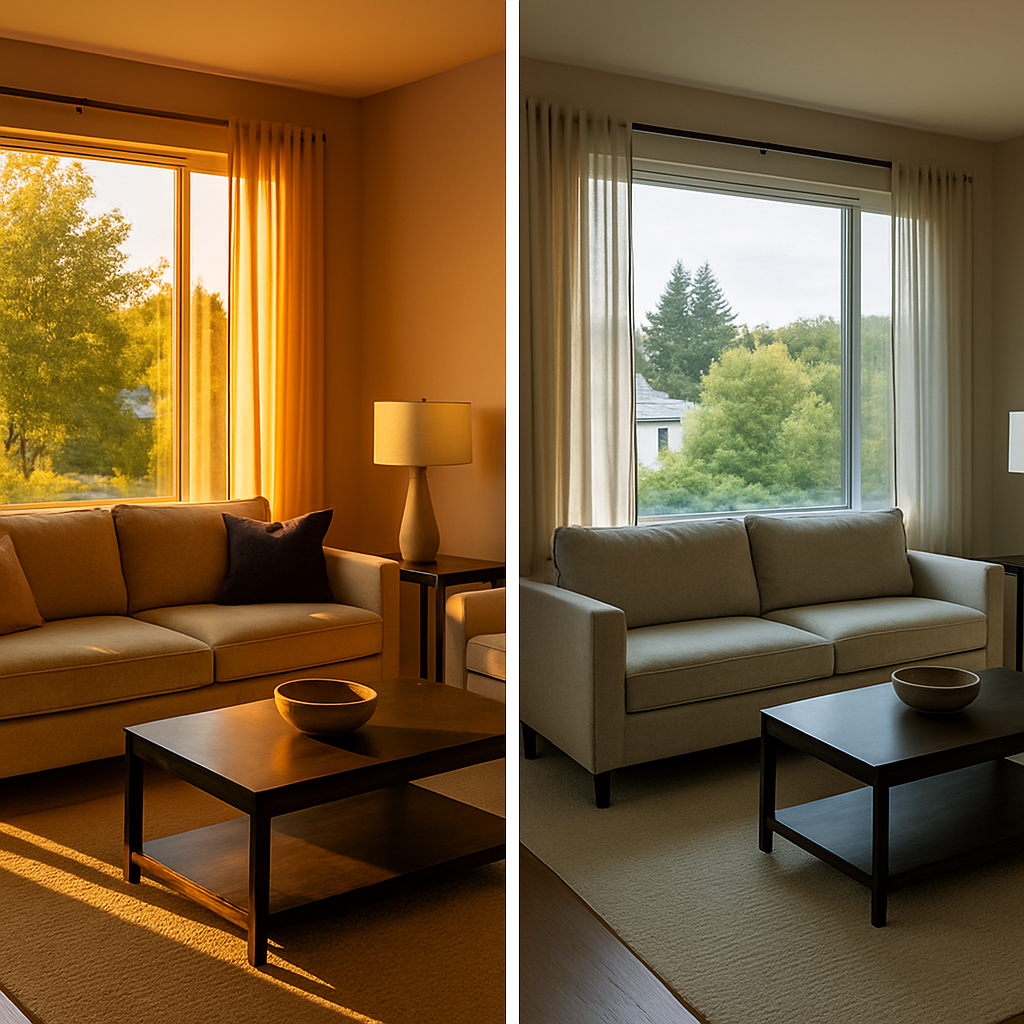
Next consideration: If afternoon heat is your problem, schedule a heat-load review focused on west- and south-facing glazing so you pick the film that balances cooling benefit, daylight, and appearance for your Corvallis building.
2 Protect furniture and flooring with UV-blocking films
Direct assertion: Quality UV-blocking window film is the simplest retrofit that reliably slows fading of hardwood floors, upholstery, artwork, and rugs without changing your decor or replacing windows. For Corvallis homeowners and offices, the right film eliminates the primary culprit for color loss while preserving daylight.
How UV films work and what they do not do
Mechanism: Most fading is driven by ultraviolet radiation with a contribution from high-energy visible light and heat. UV-blocking films create an invisible shield that blocks up to 99 percent of UV wavelengths while leaving visible light largely intact. That solves the chemical degradation that bleaches dyes and weakens wood finishes.
- Clear UV-only films: Preserve natural daylight and color accuracy but do not reduce solar heat gain or glare significantly.
- Spectrally selective and solar control films: Block UV and reduce heat and infrared while keeping color rendering good; cost more but deliver multiple benefits.
- Ceramic and metalized films: Offer strong UV and heat control; metalized films can change reflectivity and may not be suitable for heritage windows.
Tradeoff to accept: Choosing a film that only blocks UV will protect color but will not reduce summer heat or glare. If the goal is both fade protection and thermal comfort choose a solar control or spectrally selective film. Expect higher upfront cost and a small visual change when selecting multi-function films.
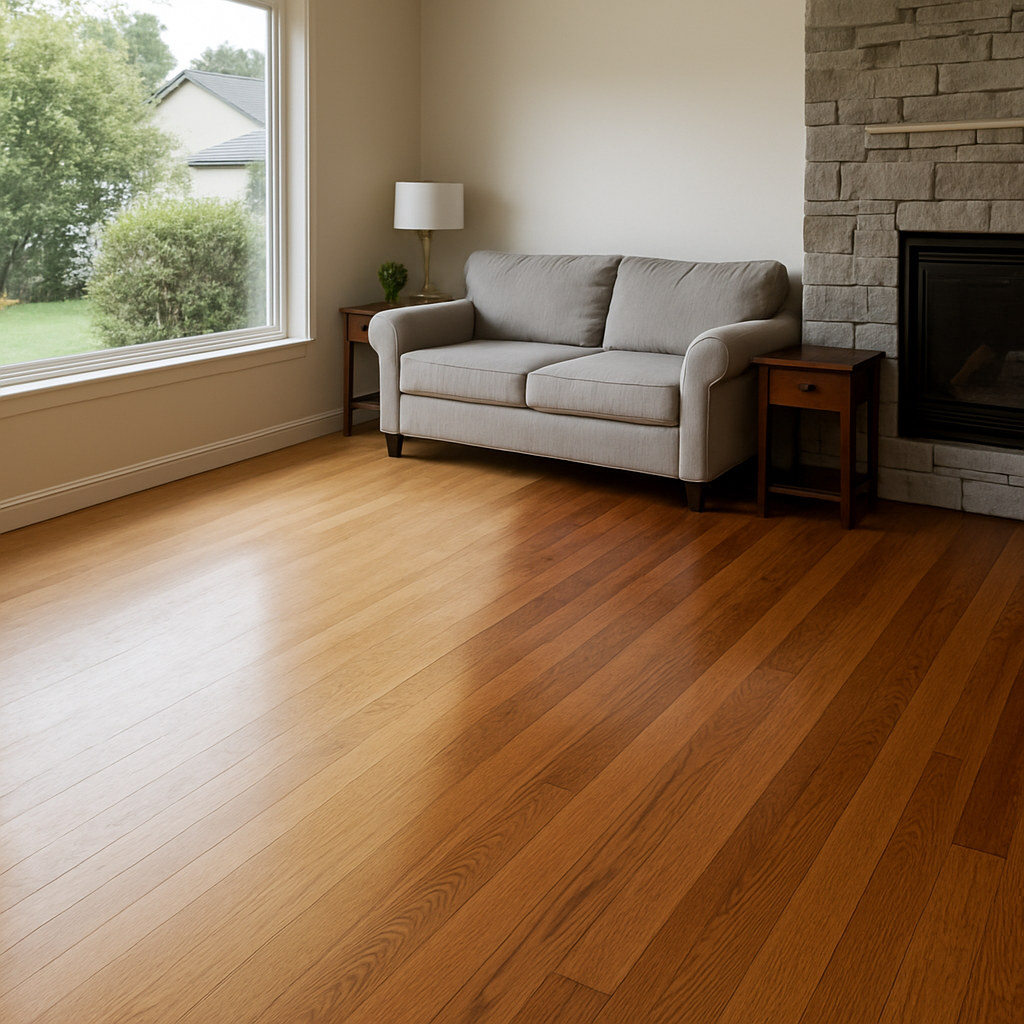
Concrete Example: A Corvallis homeowner noticed sun bleaching on a south-east living room floor where morning sun crosses a bay window. Installing a clear UV protection film on the interior glass stopped further fading within months. The homeowner chose a spectrally selective film for the west-facing family room to gain both UV protection and lower afternoon heating.
Installation considerations: Films are normally applied to the interior surface. Have a professional inspect for low-e coatings, tempered panes, or historic glass before specifying film – some coatings interact poorly with certain adhesives and will affect warranty. For areas with persistent shallow-angle sun you may need combined solutions – film plus blinds – to fully arrest fading.
Practical judgment: For most Corvallis residences and retail spaces, the best balance is a spectrally selective film from reputable lines such as 3M or LLumar. If budget is tight, a clear UV-only film gives immediate protection for textiles and wood with minimal visual impact.
Next consideration: Schedule a surface-level assessment with a local installer to measure window orientation and light exposure so you can get a targeted recommendation. Tinting Oregon provides on-site evaluations and manufacturer data to match film type to the problem. See Tinting Oregon for service details.
3 Reduce glare and improve workplace productivity for Corvallis offices
Glare costs attention and time. In office environments where people work on screens, uncontrolled daylight creates contrast that forces employees to squint, adjust monitors, or reposition workstations — all clear productivity losses. Quality window films are a pragmatic way to cut perceived glare while keeping useful daylight.
What to use: neutral-density, low-reflectance, or spectrally selective films from reputable lines such as 3M or LLumar.** These films reduce visible glare without making spaces feel cave-like. Typical VLT windows for offices range between 30 and 60 percent depending on orientation and task lighting; lower VLT helps west-facing panes at 3–6pm, higher VLT preserves daylight in cloudy Pacific Northwest afternoons.
Practical tradeoffs that matter
Tradeoff: darker is not always better.** Push VLT too low and you reduce daylight benefits — staff feel enclosed and energy use for lighting can rise. Metalized films are cheaper and reflect more glare, but they can cause color shifts on screens and sometimes interfere with nearby radio signals. In my experience, spectrally selective ceramic films cost more up front but deliver the best balance of glare control, color fidelity, and long-term optical stability for offices.
- Questions to ask an installer: What VLT do you recommend for west-facing conference rooms and why?
- Request a demo: install a single pane or removable strip so staff can evaluate before committing.
- Ask for measurements: lux readings and before/after screen visibility checks — not just a sample sticker.
Concrete example: A downtown Corvallis small law firm had sun-blasted west conference rooms where presentations failed after 2pm. Installing a neutral-density 35 percent VLT spectrally selective film on the lower two-thirds of the glazing cut screen glare enough to hold afternoon meetings without shutting blinds, while the top third stayed clear to preserve daylight and exterior sightlines.
Installer details that matter in practice. Ask for low-reflectance film specs, optical warranty, and proof the installer will do an on-site glare assessment. Good shops will suggest partial coverage or staggered VLTs across elevations rather than a one-size-fits-all solution.
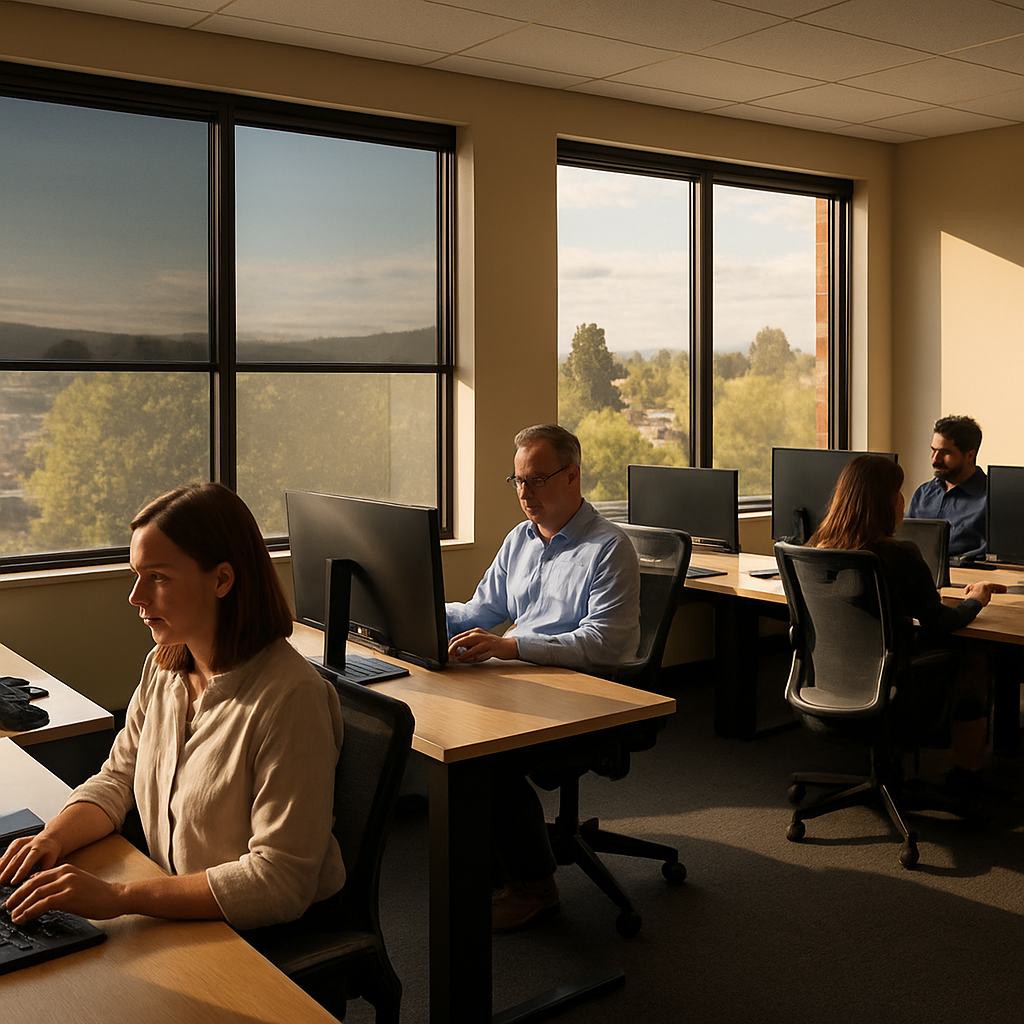
Next consideration: schedule a brief on-site glare assessment and ask the installer to run a demo pane during peak glare hours before committing to building-wide installation.
4 Enhance privacy and residential comfort with decorative and frosted films
Direct point: Decorative and frosted films are the fastest, least invasive way to add usable privacy to Corvallis homes without losing daylight, and they work especially well on street-facing glazing, bathrooms, and multi-unit entryways.
Where decorative and frosted films are most practical
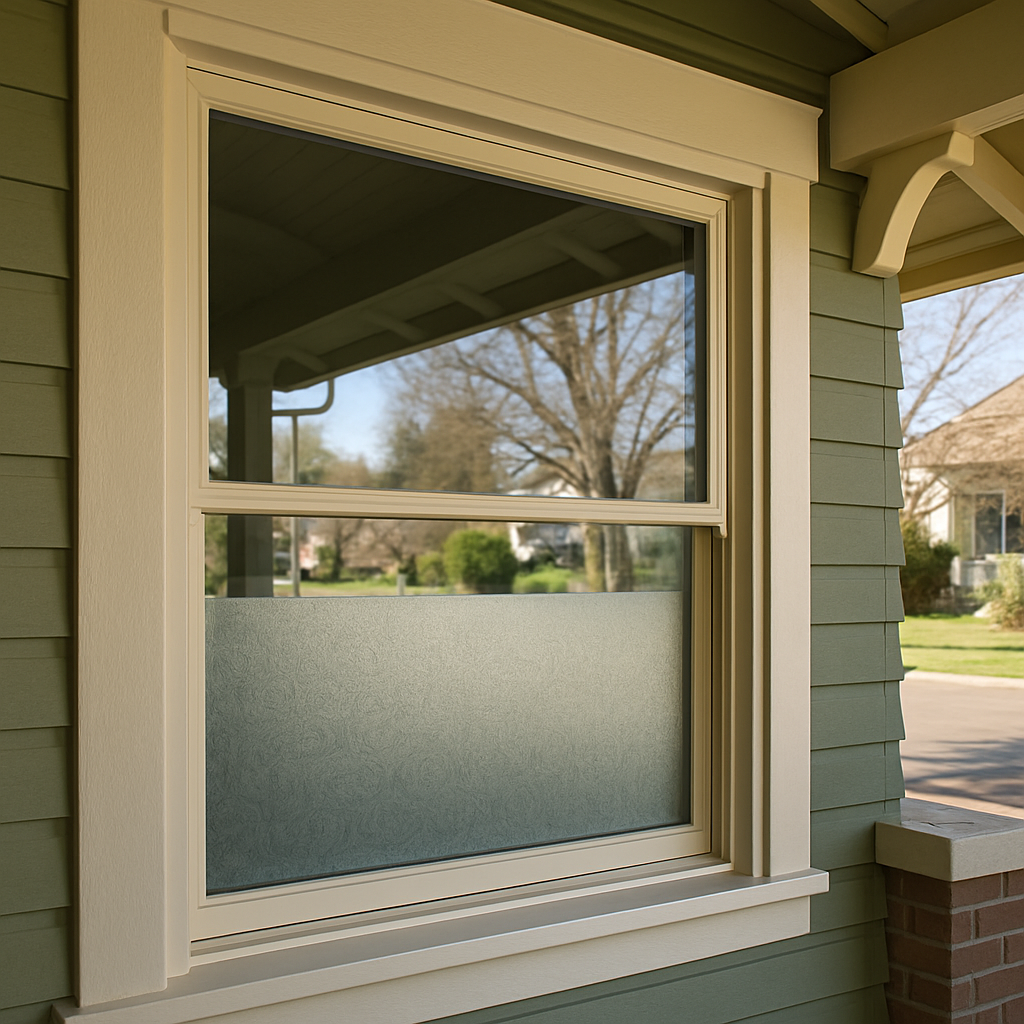
- Street-facing living rooms: apply lower-half frosting to block sight lines while preserving sky and views above eye level.
- Bathrooms and sidelight windows: full-translucent frosted films replace etched glass affordably and are reversible.
- Basement and apartment windows: frosted film provides privacy for units that face shared walkways or alleys.
- Small-business storefronts and conference rooms: patterned films add privacy and branding without hiring a glass fabricator.
Trade-off to know: Decorative films preserve visible light but do not deliver the same thermal performance as dedicated solar control films unless you buy a laminated product that combines both features. If heat reduction or UV blocking is also a priority, specify a composite or layered film and confirm warranty coverage before installation.
Practical limitation: At night, privacy from translucent films drops if interior lights are on and windows are not backlit—this is a common misunderstanding. For windows where evening privacy is essential, choose films with lower translucency or plan interior shading.
Concrete example: A Craftsman bungalow near downtown Corvallis had pedestrians passing close to the front parlor windows. Installing a patterned LLumar frosted film on the lower two-thirds of the windows preserved morning light and curb appeal while removing the need for curtains. Installation took a morning and cost a fraction of replacing the panes with sandblasted glass.
Selection and installation points that matter
- Match translucency to use: Request sample swatches and test them on the window at different times of day;
VLTalone won't tell you how the finish reads from the street. - Combine cautiously: If you need UV protection or heat reduction, ask about films that integrate solar control or about stacking films; check that overlapping films won't void manufacturer warranties.
- Historic or HOA constraints: Some Corvallis historic districts limit exterior appearance—get approval before applying visible exterior finishes.
- Custom patterns and branding: Decorative films can include custom etching or logos for small businesses; expect longer lead times and a higher minimum price for bespoke designs.
Next step: For an on-site evaluation that compares decorative options with performance films, book a consult with a local installer—Tinting Oregon does on-site assessments and can show physical swatches and finished samples; see their service overview at Tinting Oregon. For technical background on film options and standards, refer to the IWFA resources.
5 Improve safety and security with safety and anti-shatter films
Direct effect: safety and anti-shatter films hold glass together on impact, cutting laceration risk and buying time against smash-and-grab break‑ins. These films are a mitigation measure for occupant protection and forced‑entry delay — not a substitute for full security glazing or external shutters in high‑risk locations.
Film selection, thickness, and realistic expectations
Choose thickness by risk and anchoring needs. Typical safety films range from about 4 mil (basic fragment retention) up to 8–12 mil or higher for heavy security retrofit where the film is mechanically anchored to frames. Product lines like 3M Safety and Security Window Film and LLumar Safety Film cover that span; ask for manufacturer test reports when specifying.
- Trade‑off: thicker films increase resistance but add visible edge build and may require frame anchoring or silicone beads during installation.
- Limitation: safety film delays entry and reduces injury risk, it does not make a window bulletproof or guarantee prevention of determined forced entry.
- Practical check: installers should inspect for existing glass damage, tempered vs laminated glass, and frame condition because attachment methods differ by glass type.
Installation matters more than brand alone. A high‑quality film poorly anchored or applied to cracked or stressed glass will underperform. Ask prospective vendors for on‑site anchoring plans, references for similar Corvallis installations, and demonstration of compliance with relevant test standards and manufacturer installation procedures — see IWFA guidance and product datasheets.
Concrete example: A ground‑floor Corvallis retail storefront fitted with an 8 mil safety film and perimeter silicone anchoring reduced glass fallout during a nighttime window smash. Staff reported no cuts, cleanup was confined to the frame, and the business avoided an immediate pane replacement while police processed the scene. That outcome is typical when film plus anchoring are specified, not guaranteed in every incident.
Practical considerations for Corvallis homes and offices
Where to use it locally. Prioritize entry doors, low‑level windows, daycare and school rooms, medical reception areas, and retail storefronts along busy Corvallis corridors. For ground‑floor apartments and commercial lobby glazing, safety film reduces tenant injury risk and fastens response time after impacts.
Insurance and code notes. Some insurers will consider retrofits in risk assessments but won't automatically lower premiums — get written confirmation. Also check with building managers or historic district rules before retrofit work; consult an installer who documents compatibility and provides manufacturer warranties.
Next consideration: when you request estimates for corvallis window tinting, ask for documented performance, anchoring details, and examples of completed safety installs in the Willamette Valley — see our guide to vetting local shops for what to ask installers: Window Tinting Place Near Me: How to Vet Local Shops and Contractors.
6 Improve aesthetics and branding with decorative and one-way films
Straight to the point: decorative and one-way films are one of the fastest ways to change how a building or vehicle looks without replacing glass or painting surfaces.
Why businesses and homeowners choose them: these films provide immediate visual identity, privacy where you want it, and can carry high-resolution graphics for seasonal promotions or permanent branding while still admitting daylight.
Common decorative film options and their tradeoffs
- Frosted and etched-look films: translucent, preserves daylight while obscuring detail; best for bathrooms and conference rooms.
- Printed and cut-vinyl graphics: full-color branding for storefronts and vehicles; durable when printed with UV-stable inks from manufacturers like 3M or LLumar.
- Perforated one-way films (vehicle and storefront): visible graphic on the outside, see-through from the inside during daylight; tradeoff is reduced nighttime privacy and slightly lower outward clarity.
- Metallic or textured films: add premium sheen or tactile effect; consideration — some metalized finishes can cause glare or interfere with radio/GPS signals.
Practical insight: perforated one-way film performs as advertised only when the exterior is brighter than the interior. At night, with interior lights on, the effect reverses and occupants lose privacy. That matters for storefronts in Corvallis where evening displays and interior lighting are common.
Installation and layering note: decorative films can be layered over solar or safety films, but not all combinations are compatible. Always ask your installer for product datasheets and stacking recommendations; professional window tinting Corvallis shops like Tinting Oregon will confirm adhesive compatibility and warranty effects.
Concrete example: a Fourth Street retailer in downtown Corvallis applied a perforated film with seasonal graphics on their street-facing windows. During daytime foot traffic customers could see displays and employees could still see out; after dark the owner switched interior lighting and shutters to preserve privacy. The result increased walk-ins without permanent alterations to the storefront.
Another use case: a Corvallis co-working space installed frosted film with a subtle logo on glass conference walls. The film created branded semi-private rooms without reducing daylight, and it avoided the cost and lead time of frosted glass replacement.
Important: decorative prints and perforated films are aesthetic products first; expect some degradation from UV and cleaning over years. Insist on manufacturer-backed warranties and UV-stable inks.
7 Professional installation and local service: how Tinting Oregon supports Corvallis projects
Install quality matters more than film color. A premium solar or safety film will underperform if cut poorly, installed in the wrong conditions, or specified for the wrong glass type. Professional installation protects the performance, the manufacturer warranty, and the building owner from avoidable problems.
Tinting Oregon services for Corvallis projects. Tinting Oregon provides on-site assessments, measured proposals, and professional installation across Portland, Salem, Eugene, Bend/Central Oregon and the Corvallis area. Typical product lines include 3M Sun Control and Safety films, LLumar Solar and Decorative films, and ceramic films such as Huper Optik. Estimates come with product datasheets and clear warranty terms; see the company site for service details and local examples Tinting Oregon.
Typical project timeline and what to expect
- Estimate and site survey: 30 to 60 minutes on site, installer inspects glass type, frames, and shading geometry and documents orientations.
- Film selection and pricing: 1 to 3 days including datasheet comparison and sample swatches; installers recommend films tied to the goal, not the price point.
- Ordering and lead time: 3 to 14 business days depending on film type and custom patterns; ceramic and specialty decorative films take longer.
- Installation window: Small residential jobs often completed in a few hours; larger commercial storefronts scheduled per phase to avoid business disruption.
- Cure and initial care: Avoid cleaning or running window treatments for at least 7 to 14 days depending on adhesive type and weather.
Practical limitation to plan around. Exterior installations require dry, moderate-temperature conditions for reliable adhesion; in Corvallis rainy season that often means scheduling in late spring through early fall or using a shop install where mobile work is impractical. Also, some tempered or heat-strengthened glass can develop thermal stress after film is applied; a qualified installer should identify those panes during the survey and recommend either a different film or glass replacement.
Concrete example: A downtown Corvallis retail tenant had severe afternoon glare on a west-facing display. Tinting Oregon performed a site survey, recommended LLumar Solar 20 for glare and UV protection, scheduled a nighttime mobile install to avoid store hours, and provided a 7 year material warranty plus 3 year labor coverage. The store reduced visible glare on products and regained consistent daytime visibility without shuttering the storefront during work.
What works in practice and what people misunderstand. Many property managers assume any local shop can match manufacturer warranty administration. That is not true. Warranty support requires installer certification and documented measurements at install. Choose an installer who provides product datasheets, proof of training or manufacturer authorization, and a written warranty that separates material and labor terms.
- Questions to ask an installer: Are you certified or authorized by 3M, LLumar, or Huper Optik?
- Are both material and labor warranties provided in writing and how long do they last?
- Can you show completed projects in the Corvallis area or references for similar building types?
- Will you perform a glass inspection and note tempered or historic panes before quoting?
- Do you offer mobile service and what conditions require shop installation instead?
- What are recommended care and cleaning steps and how long until I can clean the glass?
- What is your removal policy and cost if the tenant or owner needs the film removed?
