
Safety and Security Window Film: How It Protects Employees and Property
In workplaces facing broken storefront glass or accidental impact, safety and security window film turns ordinary glazing into a protective layer that reduces employee injuries and slows smash-and-grab thefts. This article explains how these films work, the grades and standards that matter, realistic performance and cost ranges, and Oregon-specific rebate and installer considerations for Portland, Salem, Eugene, and Bend. Read on for a practical decision checklist and next steps to evaluate film and professional installation for your facility.
How Safety and Security Window Film Works
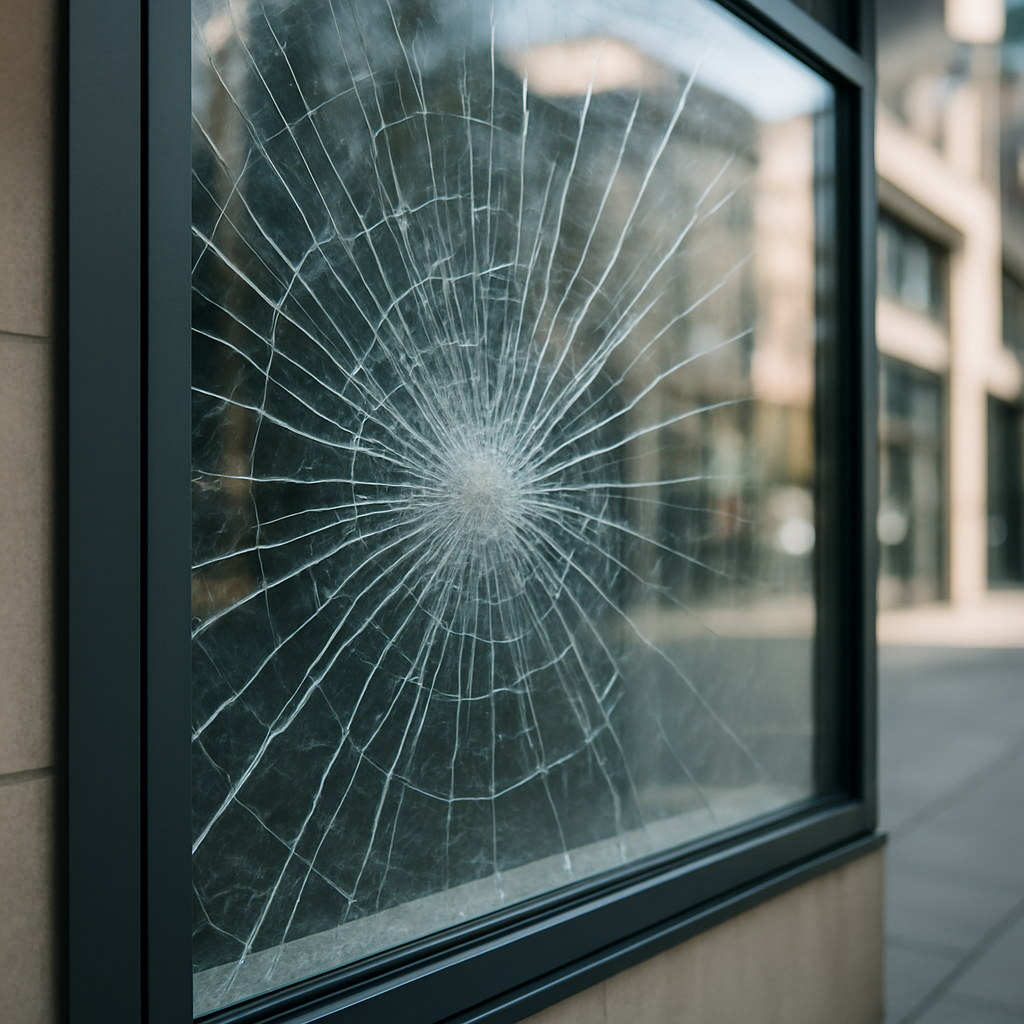
Direct point: Safety and security window film protects people and property by keeping broken glass in place and absorbing impact energy rather than by making glass impenetrable. The film is a retrofit layer that changes how glass fails under stress, trading immediate penetration for fragment retention and time.
Film construction and attachment
Construction: Most commercial films are multi layer polyester laminates with an adhesive layer, a clear scratch resistant coating, and optional surface treatments for UV, solar control, or anti graffiti. Manufacturers such as 3M, LLumar, and Vista offer product lines that vary mainly by thickness, adhesive chemistry, and clarity.
Attachment matters: Film thickness alone does not determine real world performance. Edge sealants and mechanical anchoring to the frame convert a film from a fragment retainer into a delay barrier. Professional installation that includes perimeter bonding or anchors is what separates lab test results from site performance. See Where to Buy Window Tinting Film for why installer technique matters.
How the film changes glass failure
- Fragment retention – The adhesive bonds shards to the film so pieces do not become projectiles, reducing laceration and ejection injuries.
- Energy absorption and distribution – Layers stretch and delaminate under impact, dissipating force across the pane rather than concentrating it at one point.
- Delay for forced entry – Thicker films plus anchoring increase the time and effort needed to create a usable opening, deterring smash and grab attacks.
Limits and tradeoffs: A 4 to 7 mil safety film reduces cuts and fragment scatter but will not meaningfully delay a determined forced entry. Films 8 mil and up provide delay, but every extra mil increases cost and can affect optical clarity and visible light transmission. If you need performance close to laminated glazing or ballistic protection, film alone is the wrong tool.
Concrete example: A downtown Portland jewelry retailer installed a 12 mil security film with perimeter anchors on a storefront of large single panes. During a smash and grab attempt the film prevented immediate clearance of glass, gave staff time to trigger alarms, and limited interior damage to broken but contained shards. The owner reported reduced loss and a clearer insurance claim because the installer documented anchor details and film certification.
Practical judgment: In practice, combine film with other measures – alarms, glazing upgrades, or shutters – for layered protection. Also review energy rebate opportunities when selecting solar hybrid security films at Window Film Energy Rebates in Oregon and consult the International Window Film Association for testing context at IWFA.
Next consideration: Decide first whether your primary goal is injury prevention or forced entry delay, then specify film mil, optical tolerance, and anchoring method before getting quotes from installers.
Types, Grades, and Manufacturers to Consider
Start with the protection objective. Choose film to stop cuts and fragment scatter, to slow forced entry, or to combine protection with solar control and UV blocking. Those are different product classes and different price points.
Film grades and what they deliver
Thin safety films (about 4 to 7 mil). These are clear, high-visibility films intended primarily to reduce laceration risk from broken glass and to keep shards from spraying into occupied space. They work well on interior partitions, schools, clinics, and offices where the main risk is accidental breakage.
Security films (8 mil to 15+ mil). Thicker polyester films increase the time and effort required to create an opening. For retail storefronts and higher-theft risk areas use films at the upper end of this range and plan for mechanical anchoring or reinforced edge sealing to approach the tested delay times claimed by manufacturers.
| Thickness / Type | Typical use case | Trade-off / limitation |
|---|---|---|
| 4–7 mil (safety) | Office interiors, schools, clinics to reduce cuts | Minimal visual impact but limited burglary delay |
| 8–12 mil (security) | Retail storefronts, jewelry cases, back rooms | Good delay vs smash-and-grab; may slightly alter clarity |
| 12–20+ mil (high-security/laminated hybrids) | High-risk retail, cash-handling areas, some government facilities | Best delay performance; thicker films can require mechanical anchoring and may cost significantly more |
Manufacturer choices matter for warranty, clarity, and certified performance. 3M, LLumar (Eastman Vista), and Vista are the common commercial-grade lines you should evaluate. 3M offers broad certified product ranges with published test results, LLumar and Vista provide comparable commercial security films and often competitive pricing and local installer networks. Check published technical data and look for manufacturer test reports tied to ANSI Z97.1 or CPSC 16 CFR 1201 when a vendor cites performance.
- Clarity and Visible Light Transmission. Thicker film often reduces VLT or introduces slight haze; if daylight and aesthetics matter, pick higher-grade optical films or split the project by priority zones.
- Adhesive and edge treatment. Pressure-sensitive adhesives are common, but a professional-grade edge sealant and option for mechanical anchoring are where security films prove their value in the field.
- Hybrid films. Solar/security hybrids exist; they combine heat reduction and energy rebates with protection. Use these when you need energy savings and security, and check rebate rules in advance via Window Film Energy Rebates in Oregon.
Practical trade-off. Thicker is not always strictly better: without proper anchoring thicker film can still fail at the edges. Investment should be split between film grade and installation details such as perimeter anchoring and certified attachment systems.
Concrete example: A downtown Portland jewelry storefront upgraded to a 12 mil security film with mechanical anchors and a reinforced perimeter. The film alone did not make the storefront impenetrable, but when paired with anchors and motion sensors the store recorded slower entry times during attempted smash-and-grab incidents, which allowed staff and police time to respond and reduced inventory loss.
Where to learn more and next step. For buying guidance compare manufacturer data sheets and installer credentials; see our note on professional vs retail purchasing at Where to Buy Window Tinting Film. For manufacturer details, consult 3M and LLumar.
Performance Standards and How to Read Test Claims
Start with the test that matters: the assembly, not the sticker. Manufacturers will cite ANSI, CPSC, or ASTM test names on product sheets. Those labels mean something only when the exact test specimen, glass type, and attachment method used in the lab match what you plan to install on site.
The standards you will see and what they actually mean
ANSI Z97.1 and CPSC 16 CFR 1201 are the typical safety glazing references for reducing laceration risk from accidental human impact. If a film assembly meets these, it indicates reduced shard and cut risk—not burglary resistance.
ASTM protocols are the category where forced-entry and impact resistance live. Look for ASTM F1233 (security glazing forced-entry testing) or references to ASTM E1886/E1996 for high-impact/blast resistance. These tests are more demanding, but also costlier and less common for standard film-only systems.
- What a claim should name: the standard (e.g., ANSI Z97.1), the test report number, and the lab that ran it.
- What to confirm in the report: glass type (annealed, tempered, laminated), film thickness, and whether a mechanical anchoring method or edge seal was part of the specimen.
- Red flag claim: passes ANSI or CPSC when tested on a full laminated unit in the lab but sold as film-only for retrofit installations without anchoring.
Practical trade-off: film thickness helps, but anchoring matters more.** An 8 to 12 mil film will hold fragments longer than a 4 mil safety film, but without edge anchoring or a compatible frame it will still pop out of the sash under repeated blows. In practice you get more delay per dollar by adding perimeter anchoring to a mid-thickness film than doubling film thickness alone.
Concrete Example: A downtown Portland storefront installed an 8 mil security film and continuous perimeter tape plus mechanical clips into the aluminum frame. When attackers struck the glass during a smash-and-grab attempt, the treated panes stayed largely intact long enough for staff to activate alarms and for police to arrive — the film bought measurable time even though the glass ultimately failed.
Common misunderstanding: passing a single-drop impact test does not prove real-world forced-entry resistance.** Lab tests are controlled: defined impactor mass, angles, and frame conditions. Real thieves use repeated, variable impacts and exploit weak edges. Demand test reports that match the installation method you plan to use.
One more practical judgment: if your goal is burglary delay for retail storefronts, evaluate assemblies tested under forced-entry protocols or insist on professional anchoring. If your goal is reducing employee injury and fragment scatter, ANSI or CPSC-rated systems are appropriate and less expensive.
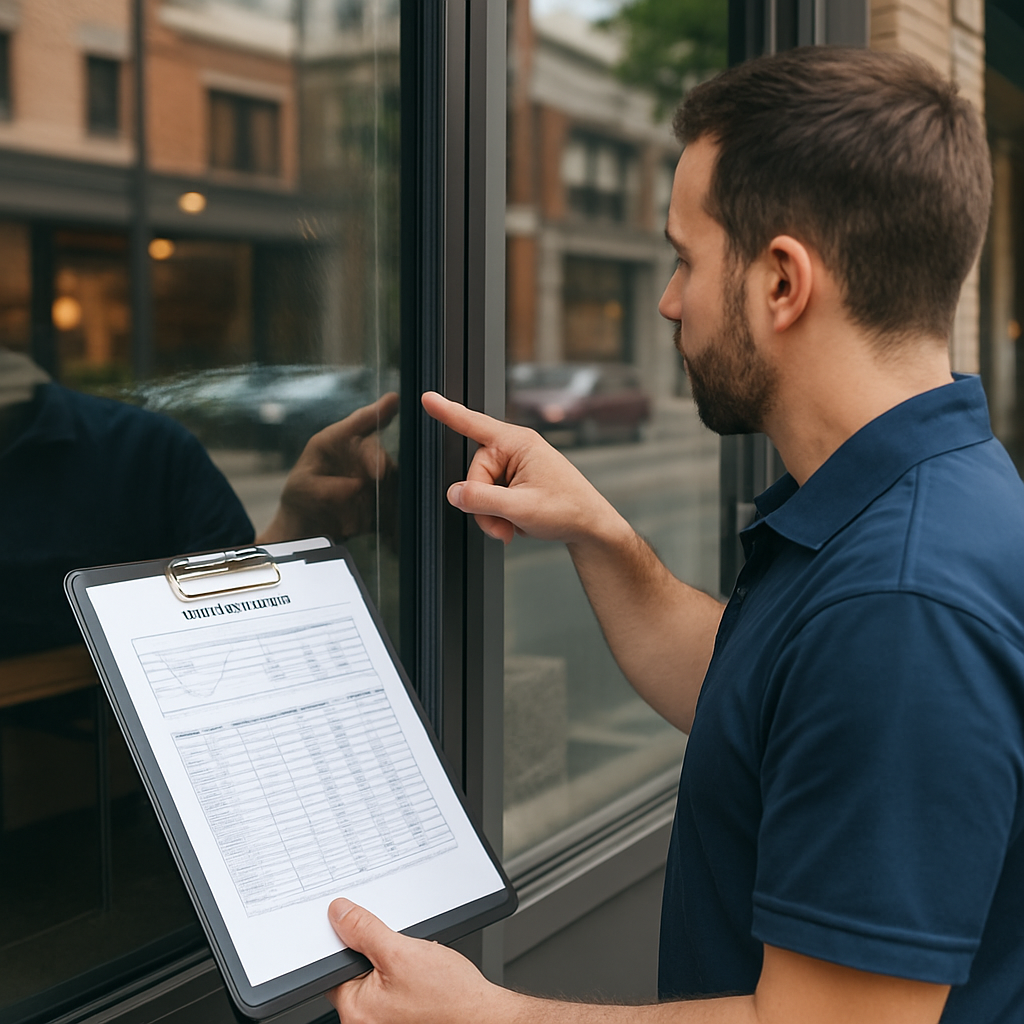
Next consideration: when you request quotes, ask vendors for the actual test report PDF and a statement confirming the report specimen matches your glass and anchoring plan — nothing else substitutes for that evidence.
Real-World Use Cases in Oregon Workplaces
Retail storefronts near transit corridors: High-visibility windows make stores vulnerable to smash-and-grab thefts. In practice the most effective upgrade is security-grade film (8–12 mil) combined with edge anchoring and an alarm, not film alone. Expect a tradeoff: thicker, anchored systems add cost and sometimes a slight loss of optical clarity, but they create minutes of delay that change how most opportunistic thieves act.
Use cases and what to prioritize
- Downtown retail and jewelry cases: Prioritize 10–12 mil security film with mechanical anchoring, anti-graffiti topcoats for high-touch facades, and integration with existing glass-break sensors. The film slows entry and preserves interior evidence longer for police and insurers.
- Corporate lobbies and glass partitions: Use 4–7 mil safety window film to reduce laceration risk from accidental impact and to control flying glass during storm events. Here clarity and daylight matter, so choose high-transparency safety films rather than dark tints.
- Medical clinics and counseling rooms: Combine privacy window film or decorative safety window film with UV protection window film to block visibility while protecting furnishings from fading. That dual benefit improves patient confidentiality and extends asset life — a useful ROI angle for small clinics.
- Schools and childcare facilities: Use thicker security film on ground-level glazing and anti-graffiti layers in recess areas. Films reduce cut injuries from broken glass and give staff crucial seconds to act during an incident, but they are not a replacement for hardened glazing at high-risk openings.
- Warehouses and industrial buildings: For loading bays and curtain walls, choose impact-resistant window film and consider laminated options for large panes. Films here protect inventory from glass shrapnel during forklift accidents and reduce downtime from broken glazing.
Practical limitation most managers miss: Film performance in the lab only matters if installation addresses edges and anchoring. In Oregon buildings with large single-pane storefronts, an anchored film system or mechanical retention is what produces real delay against forced entry — surface-mounted film alone is frequently insufficient for high-risk retail.
Concrete Example: A downtown Portland boutique installed 12 mil security film with a continuous channel at the sill. After one attempted smash-and-grab, the thief broke the glass but could not breach the channeled system quickly; loss was limited to a few small items and staff avoided injury. The store used the incident to file a clear insurance claim supported by the installer documentation.
Local climate and building types matter: Bend businesses should weigh solar/security hybrid films because higher sun and UV accelerate wear and create heat loads; in Portland and Eugene, focus more on anti-graffiti finishes and storm-season impact resistance. Historic storefronts often demand clear, thin safety films to preserve appearance — expect higher labor costs to match precise glazing profiles.
Next consideration: Treat film as one layer in security planning. Pair it with alarms, good lighting, and physical barriers where inventory value or risk is high. For contractor selection, ask for local commercial references and installation photos from Portland, Salem, Eugene, or Bend — real-world evidence matters more than marketing claims.
For additional technical context and industry standards, consult the International Window Film Association resources at IWFA and compare product options using our guidance on where to buy professional-grade film: Retail vs. Professional-Grade Options.
Cost, ROI, Rebates, and Ancillary Benefits
Straight talk on cost: safety and security window film is priced by square foot, but the headline number is only the start. Installed costs depend on film thickness, glass shape and access, whether you add mechanical anchoring, and whether you pair protection with solar-control layers. Expect a wide range because those choices change both price and real-world value.
Cost drivers and typical installed ranges
- Film thickness and grade: thinner safety films (4–7 mil) are cheaper; security films (8–15+ mil) cost more but add delay against forced entry.
- Anchoring and edge work: adhesive alone is cheaper; mechanical attachment, edge sealing, and perimeter channels can double material-plus-labor costs but are the difference between marginal and tested performance.
- Glass complexity and access: curved glass, high storefronts, or work outside business hours increase labor; expect 10–40 percent higher labor on complex jobs.
- Combined functions: hybrid films that add solar control, UV blocking, or anti-graffiti coatings cost more upfront but create bundled ROI from energy and asset protection.
| Film Type | Typical Thickness | Installed Cost / sq ft (range) | Primary ROI Driver | Typical Lifespan |
|---|---|---|---|---|
| Clear safety film | 4–7 mil | $6–$12 | Cut and fragment reduction | 10–12 years |
| Security film (commercial) | 8–15 mil | $12–$28 | Delay/deter smash-and-grab | 10–15 years |
| Security film + mechanical anchoring | 8–15+ mil with anchors | $20–$50 | Maximum forced-entry resistance | 10–15 years |
Practical insight: higher upfront cost for anchoring is a common leak in budgeting. In practice anchoring raises installed cost but is usually the single largest driver of usable security. If the goal is theft deterrence, cheap adhesive-only security film rarely provides the delay insurers and police treat as meaningful.
Concrete example: A downtown Portland boutique replaced 400 square feet of storefront glass with 8 mil security film plus perimeter edge sealing and modest mechanical anchors. Installed cost was roughly $9,600. Two months after installation the store experienced an attempted smash-and-grab. The film held the glass long enough for staff to trigger alarms and limited inventory loss estimated at $18,000. The owner recouped the investment through avoided loss and avoided a temporary closure.
Ancillary benefits that change ROI math: when you choose security films that also provide solar control you get UV reduction, lower cooling loads, and tenant comfort gains. Those energy savings can materially shorten payback, especially in buildings with large west and south glazing. See Window Film Energy Rebates in Oregon: How to Qualify, Apply and Maximize Savings | Tinting Oregon for local rebate pathways.
Important: rebates and incentives change project economics. For some Oregon projects, rebate dollars covering solar-control layers make adding protective film a low incremental cost. Always verify program eligibility before committing to a film type.
Insurance and liability considerations: some insurers offer premium reductions for documented protective glazing upgrades but they typically require products that meet standards and professional installation records. Do not assume an automatic discount; get written confirmation and keep the installer documentation and any test certificates.
Tradeoff to watch: choosing the clearest film to preserve daylight is often right for offices, but clarity reduces the available solar-control options that deliver rebates and energy savings. If aesthetics matter and security is the prime objective, budget for thicker clear security films with perimeter anchoring rather than a thin tinted hybrid.
Next consideration: when you request quotes, insist on itemized pricing that separates film type, anchoring, edge sealing, and rebate paperwork. That lets you compare apples to apples and calculate realistic ROI for your building and risk profile.
Installation Choices and Why Professional Installation Matters
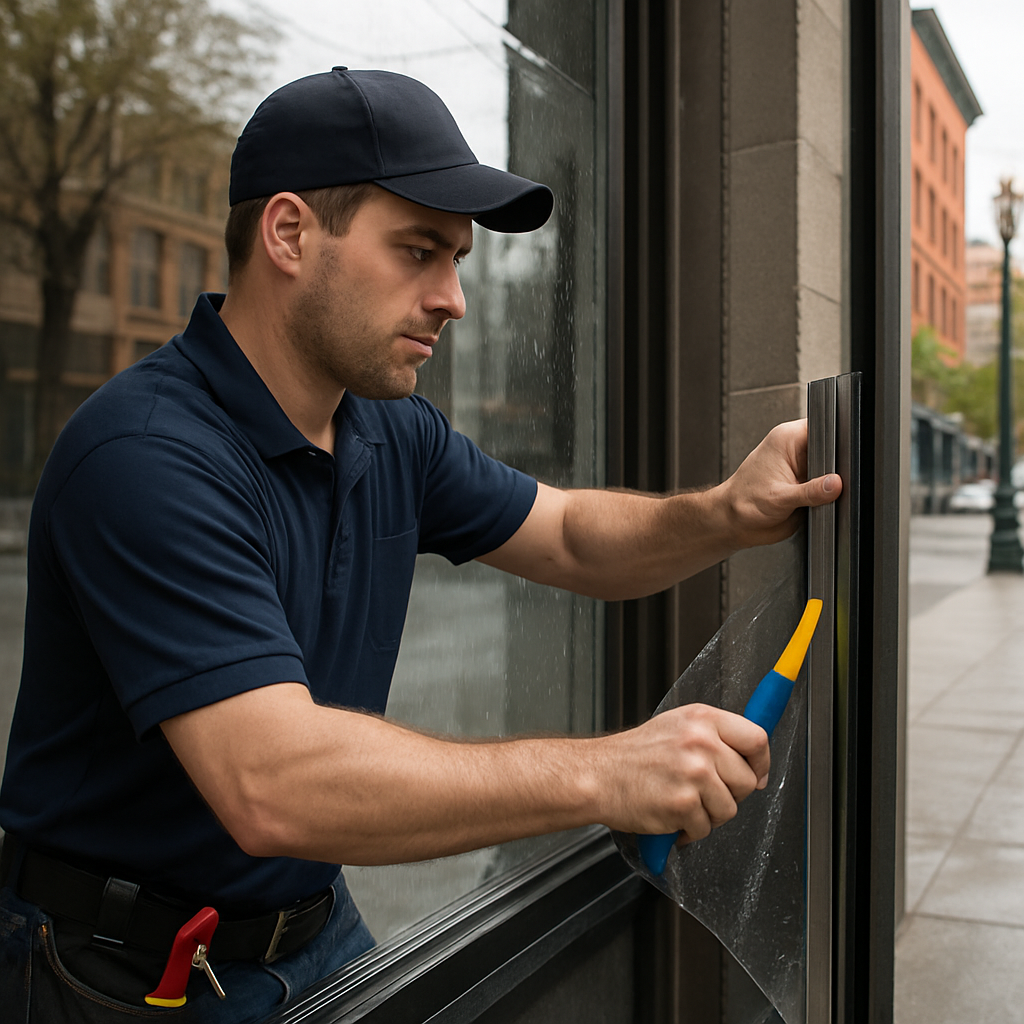
Straight to the point: installation is where product performance becomes real or fails. The same 8 to 15 mil security film that performs in lab tests will underperform in the field if the glass edge is not prepared, the adhesive contaminated, or mechanical anchoring omitted where required.
Why professional installation changes outcomes
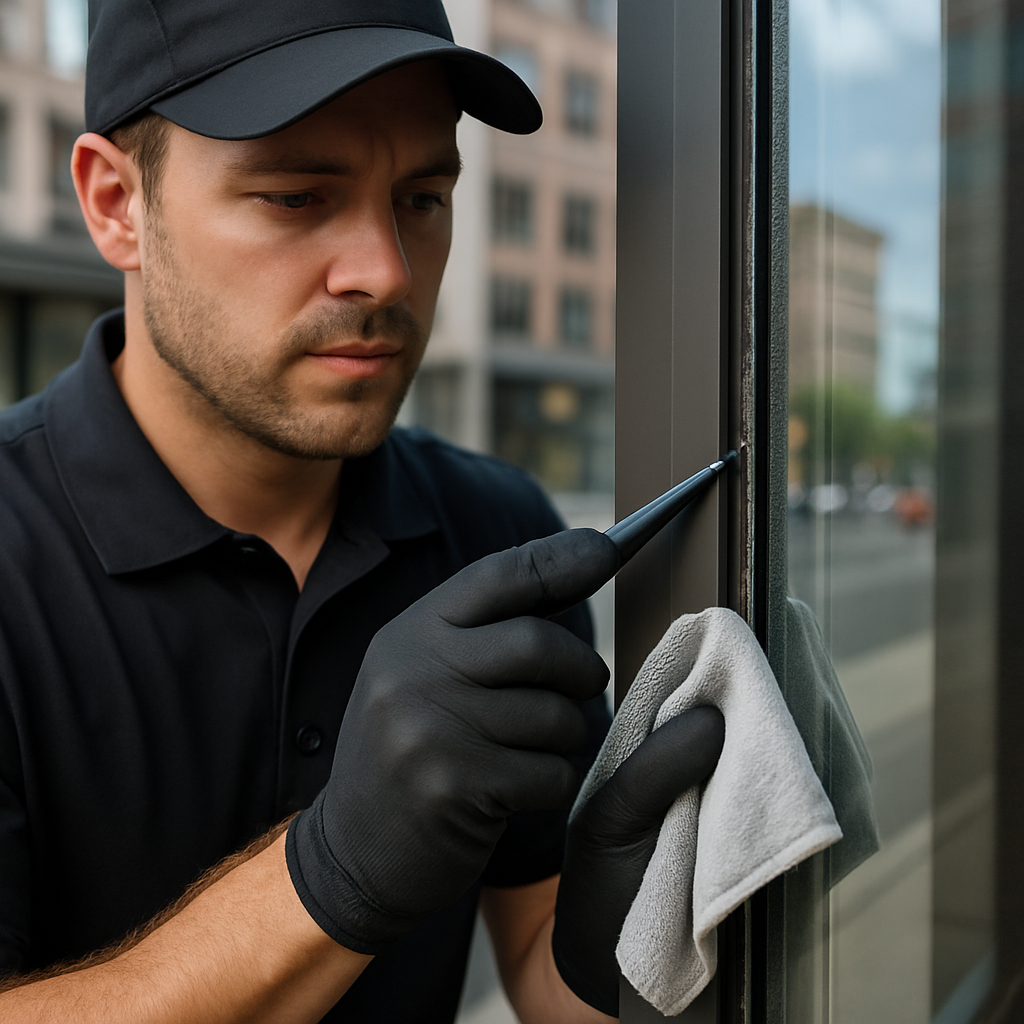
Surface preparation and adhesion matter. Professionals remove all residues, check for glass pitting and sealant failures, and use commercial cleaners and adhesions promoters when needed. DIY kits skip this step or use household cleaners that leave oils — that weakens the bond and makes the film more likely to lift at the edges within months.
Edge sealing and anchoring are not optional for security performance. Manufacturers and standards assume either a continuous perimeter bond or a mechanical anchoring method. For commercial security films, a proper silicone edge sealant plus an anchoring system (spline, channel, or wet-glaze retrofit) turns fragment retention into delay against forced entry. Without those attachments, a thick film still may pull away under impact.
Typical professional installation steps
- Site survey and risk assessment: measure panes, note tempering, laminated glass, and surrounding framing.
- Mock-up and film selection: install a small sample to confirm clarity and VLT in-situ.
- Glass prep and dry fit: precision cutting, edge cleaning, and test fit to avoid wasting film.
- Adhesive application and squeegeeing: remove trapped moisture and ensure uniform contact.
- Edge sealing and optional mechanical anchoring: continuous perimeter sealant or retrofit channels for high-threat locations.
- Final QA and documentation: photos, warranty paperwork, and maintenance instructions for facility staff.
Practical trade-off: professional installation raises upfront cost by 20 to 50 percent compared with a DIY kit, but it buys real performance, longer warranty validity, and substantially lower lifetime risk of edge lift or failure. If your goal is burglary prevention or meeting retrofit expectations from insurance, the extra cost is not optional — it is a performance necessity.
Limitation to watch for: film cannot be applied to certain fire-rated or specialty laminated glazing without voiding ratings. Professionals will flag incompatible glazing during the survey; DIY buyers often discover this only after peeling back a failed installation and paying for replacement glass.
Concrete Example: A Portland retail storefront with tall single-pane glass experienced a smash-and-grab pattern. Tinting Oregon installed an 8 mil security film with perimeter wet-glaze and an aluminum channel at the frame. The installer provided pre- and post-install photos and a mock-up; after installation the store reported that attempted break-ins were delayed long enough for staff and a security alarm to respond, preventing loss. The difference came from the anchoring detail, not film thickness alone.
Questions to ask any contractor before you sign
- Which manufacturer products do you install and can you show certifications? Look for 3M, LLumar, or Vista product lines and request test certificates.
- Do you provide perimeter sealing and mechanical anchoring options and are those included in the quote?
- Can you do a mock-up on one window so I can confirm clarity and light levels?
- What warranty covers adhesive failure or edge lift, and is it voided by DIY maintenance?
- Do you document the install with photos and provide paperwork insurers or building officials can use?
Next consideration: after selecting an installer, ask for a written scope that separates material cost from anchoring and labor, and link the proposal to product datasheets and any relevant standards. For buying guidance see Where to Buy Window Tinting Film: Retail vs Professional-Grade Options and Costs | Tinting Oregon, and for rebate questions consult Window Film Energy Rebates in Oregon: How to Qualify, Apply and Maximize Savings | Tinting Oregon.
Maintenance, Warranties, Insurance, and Code Considerations
Key point: Maintenance and paperwork matter as much as film selection. Poor cleaning, missing installation records, or the wrong warranty expectations are the three things that cause projects to fail in service life or at claim time.
Routine care and practical maintenance
Cleaning protocol: Use soft microfiber, mild detergent, and clean water. Do not use ammonia, abrasive pads, or solvent based cleaners on the film surface. For newly installed film allow the adhesive cure period specified by the manufacturer – commonly 30 days – before cleaning.
Inspection schedule: Inspect for edge lifting, bubbling, and scratches on a predictable schedule. For commercial sites start with monthly checks during the first quarter, then move to quarterly. Exterior edge degradation and trapped moisture are the usual early failure modes for interior applied films on older storefront seals.
- What to watch for: cloudy spots, adhesive separation at corners, or film peeling where mechanical fasteners contact the glass
- When to call a pro: visible edge lift, large scratches, or any signs of delamination rather than attempting a DIY repair
- Anti graffiti films: plan for replacement rather than repair after severe vandalism; these films are sacrificial by design
Warranties and practical limits
Warranty reality check: Manufacturer warranties commonly cover delamination, discoloration, and adhesive failure but are often prorated and depend on professional installation to be valid. Installer warranties should cover labor and workmanship for a defined period – demand that in writing.
Common exclusions: scratches, vandalism, mechanical damage, and failure caused by preexisting glass defects or improper framing are typical exclusions. If you expect exposure to high abrasion or chemical cleaners get that in writing or choose specialized films.
Tradeoff: thicker security films resist forced entry better but can show edge lifting earlier if substrates and seals are marginal. The better path is to pair thicker film with edge anchoring; accept the higher install cost in exchange for meaningful warranty and performance improvement.
Insurance and building code practicalities
Insurance tip: Do not assume a premium credit. Insurers require documentation – product test certificates, installer credentials, and a completion report. Submit those before and after install to get any available credit and to speed claims handling if there is an incident.
Code considerations: Films do not automatically change a glazing assembly classification. For hazardous locations or code-required safety glazing verify that the film plus the existing glass meets ANSI Z97.1 or CPSC 16 CFR 1201 requirements and document that with your building official when needed. Refer to guidance from IWFA and local code authorities.
Concrete example: A Portland retail operator installed 12 mil security film with mechanical anchoring and handed their insurer the product data sheet, the installer certificate, and photos of the anchored perimeter. The documentation eliminated a delay during a subsequent claim and satisfied the insurer that the film met their loss prevention standard.
What to require from your contractor: a copy of the manufacturer warranty, a written installer labor warranty, final photos showing edge sealing or anchors, and a care sheet that matches manufacturer instructions. If you are considering energy or UV combined films, check rebate eligibility first by reading the Tinting Oregon window film rebates article.
How Tinting Oregon Helps Local Businesses Choose and Install Film
Direct support, not a brochure. Tinting Oregon starts by translating risk into actionable options: which windows are highest exposure, whether existing glazing is tempered or laminated, and which combination of film thickness plus anchoring will give meaningful delay against smash-and-grab without needlessly darkening interiors.
On-site assessment and prescription
What we inspect. We measure glass sizes, note mullion and frame conditions, verify glass type, capture daylight measurements, and map assets behind the glass (cash registers, display cases, servers). Those facts change the recommendation: a storefront with large single panes usually needs thicker film and mechanical anchoring; small office windows often need clear 4–7 mil safety film for laceration reduction and UV protection.
- Site survey deliverable: a short report with recommended film grades (e.g., 8 mil vs 12 mil), anchoring options, visible light transmission impact, and a staged quote.
- Mock-up option: a small window sample installed on site so stakeholders can judge clarity and tint before committing.
- Permit & insurance checklist: we flag likely code or insurer questions and document product certifications to simplify approvals.
Practical trade-off. Mechanical anchoring adds cost and installation time but is the single biggest variable that moves a film system from cosmetic safety to true forced-entry delay. If your priority is burglary prevention, plan the budget and schedule for anchoring up front; treating film as a standalone, glued-only solution is a common and costly misunderstanding.
Installation logistics tailored to Oregon businesses
Scheduling to avoid downtime. We stage installations outside business hours for retail and critical facilities in Portland, Salem, Eugene, and Bend, and we can work in phases so stores remain open. For larger jobs we provide a timeline with block-out windows and crew sizes so managers can plan staffing and deliveries.
Coordination with other systems. Tinting Oregon will coordinate anchor details with storefront contractors or property managers, note when mullions require reinforcement, and advise whether film should be combined with alarms, roll shutters, or laminated glass for a layered defense.
Concrete example: A downtown Portland retailer hit repeatedly by smash-and-grab incidents chose a 12 mil security film with perimeter anchors after our survey. Install happened in two night shifts to avoid daytime closures; subsequent break-in attempts increased the time required for entry and gave staff more time to respond. The owner also qualified for energy rebate guidance we provided, shortening payback time.
Local knowledge matters: Oregon climate, downtown storefronts, and historic frames change installation method and warranty details — ask for local references and documented commercial installs.
Next consideration. After the survey, review the quote for clear performance markers and warranty terms, and consult our rebate guide for potential savings: Window Film Energy Rebates in Oregon. If aesthetics are critical, ask for a mock-up and comparison to clear safety films described in our buying guide: Where to Buy Window Tinting Film.
