
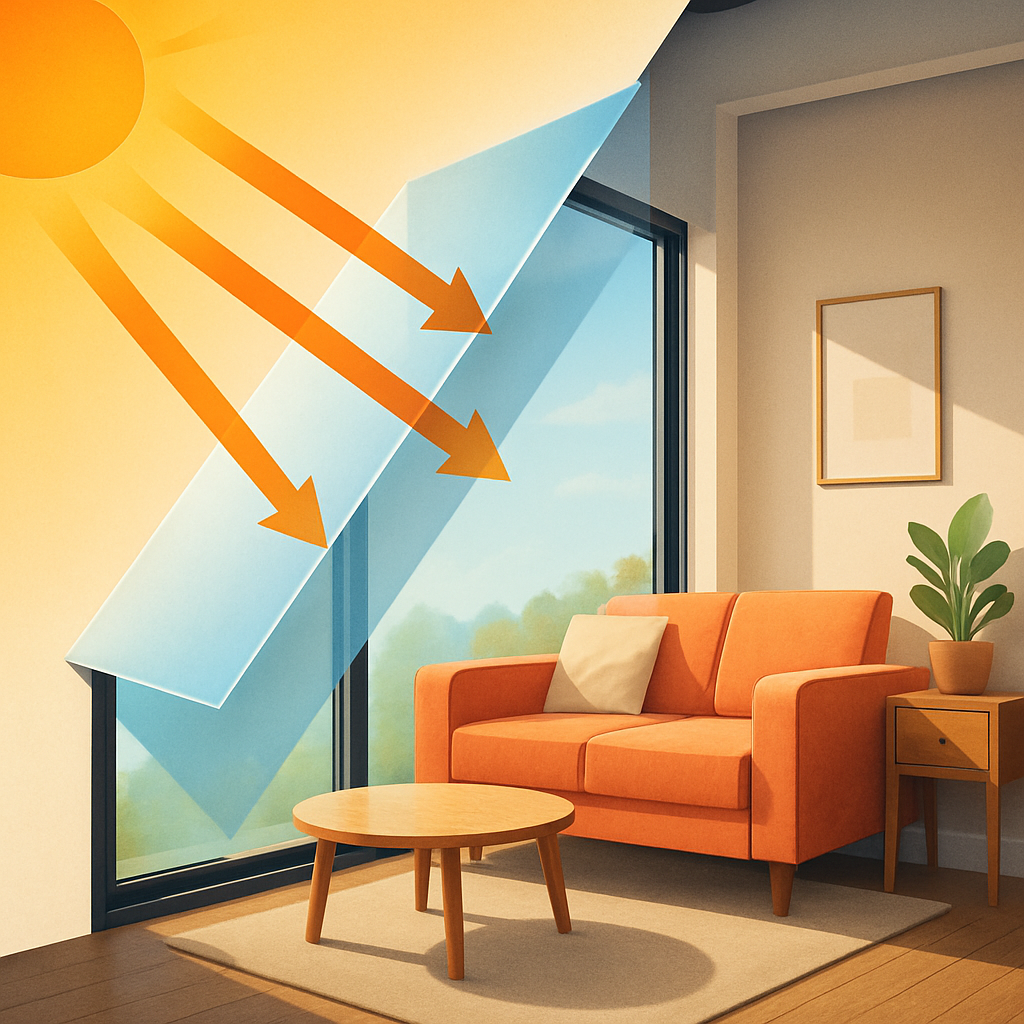
UV Blocking Window Film: Protect Furniture, Skin, and Long-Term Savings
Sunlight through ordinary glass fades furniture, damages artwork, and exposes occupants to harmful UV, and high quality uv blocking window film can cut UV transmission by as much as 99 percent while also reducing glare and solar heat. This article walks Oregon homeowners and commercial property managers through the performance metrics, film technologies, realistic costs and rebate pathways you should evaluate when choosing film and an installer. Read on for a practical checklist, a Portland-area ROI example, and the specific questions to ask before requesting estimates.
How Window Glass, UVA, and UVB Affect Interiors and Skin
Straight fact: ordinary clear glass commonly used in homes blocks most UVB but allows a large portion of UVA to pass. UVA is the slow, invisible fade agent—it penetrates deeper into fabrics, dyes, and human skin and is the main culprit behind indoor photochemical fading and long-term skin exposure.
UVA vs UVB: what gets through glass and why it matters
What each does: UVB is energetic and causes sunburn; most is absorbed by standard glass. UVA contributes far more to cumulative color change, photoaging, and long-term skin damage and passes through ordinary glass far more freely. The Skin Cancer Foundation documents this distinction and recommends reducing indoor UVA exposure as part of protection strategies (Skin Cancer Foundation).
How much protection matters: high-quality uv blocking window film and manufacturer UV window film data sheets routinely show up to 99 percent UV rejection. The International Window Film Association and major manufacturers report similar figures for professional-grade films — this is the level needed to materially slow fading and cut occupant UV doses (IWFA).
- Practical consequence: blocking UV without preserving visible light simply trades fading for a dim house. Choose films with high UV rejection and appropriate visible light transmission (VLT) so interiors stay bright.
- Misunderstanding to avoid: people assume UV is the only cause of fading. Visible light and heat also damage materials; an effective solution balances UV rejection, VLT, and infrared/solar heat control.
- Glass matters: laminated or low-E glazing already reduce some UV/IR. Adding film can still improve UV rejection but check compatibility and potential thermal effects on older insulated glass units.
Concrete example: a Portland homeowner with a west-facing living room installed a spectrally selective film (3M Prestige) to protect a leather sofa and framed prints. The film blocked the vast majority of UV while keeping daylight; after 12 months the owner reported noticeably reduced glare and no new edge-fading on textiles that had been exposed previously.
Tradeoff and limitation: uv blocking window film stops most UV but cannot undo past damage and does not remove fading caused by indoor lighting or prolonged visible light exposure. For high-value art, pair film with conservation glazing, rotate displays, or add shades—film is necessary but rarely sufficient alone for museum-grade protection.

Performance Metrics That Matter: UV Rejection, VLT, SHGC, and IR Rejection
Key point: When evaluating uv blocking window film focus on four numbers you can verify: UV rejection, VLT (visible light transmission), SHGC (solar heat gain coefficient), and infrared rejection. These together tell you how much fade protection, daylight, heat control, and radiant heat reduction the product will deliver in real use.
UV rejection: Manufacturer data sheets usually report UV rejection or UV transmittance. High quality films commonly block up to 99 percent of ultraviolet radiation. Ask for the measured UV transmittance number and the test report rather than a marketing claim, because UV reduction is the metric that most directly correlates to anti-fade performance and reduced occupant exposure. See the IWFA resources for lab testing guidance.
Visible light tradeoff: VLT defines how bright a room will feel after film is installed. Spectrally selective films can deliver high UV and IR rejection while keeping VLT high, but those films cost more. Darker, dyed films cut glare and increase privacy at lower cost but also reduce daylight and change interior color balance. For living rooms and galleries target VLT in the 50 to 70 percent range when daylight is a priority; for storefronts and west facing exposures 30 to 50 percent often gives better glare and heat control.
Thermal performance and SHGC: SHGC measures how much solar energy enters through the glazing assembly. A film that lowers SHGC reduces cooling load. Expect professional spectrally selective films to reduce SHGC by a meaningful margin compared with untreated insulated glass units, but results vary by orientation and glass type. For accurate HVAC impact ask for NFRC rated numbers for the window plus film assembly or an independent lab equivalent. The U.S. Department of Energy explains why SHGC matters for cooling loads at Energy Saver.
Infrared rejection and perceived comfort: IR rejection correlates with how hot surfaces by the glass feel and how quickly interior materials warm. Ceramic and spectrally selective films outperform basic metalized films at blocking near and mid infrared while keeping reflections low. Practical judgment: if afternoon heat and hot spots are your main problem, prioritize IR rejection even if that increases cost.
Concrete example: A Portland homeowner with west facing living room windows had strong afternoon fade and high AC runtime. Installing a spectrally selective film such as 3M Prestige produced documented UV rejection near 99 percent, kept VLT around 55 percent, and cut measured SHGC for the assembly from roughly 0.48 to 0.30. Outcome was lower perceived glare, cooler surfaces, and better protection for rugs and artwork while preserving daylight.
How to read a performance sheet
- Ask for UV transmittance test reports: Not just a percentage claim; get the lab report.
- Request NFRC or equivalent SHGC for the window plus film assembly: Single pane numbers are not sufficient for insulated glass units.
- Check
VLTand visible light reflectance: Ensure interior daylight goals will still be met. - Ask about IR rejection or emissivity values: Useful for hot spot and surface temperature management.
- Confirm compatibility with insulated glass units and warranty terms: This avoids thermal stress issues.
VLT, SHGC, and IR rejection on a lab report, match the numbers to your daylight and energy goals, and prefer spectrally selective films when you need both high daylight and strong heat control. For Oregon rebate guidance and installer estimates see Window Film Energy Rebates in Oregon: How to Qualify, Apply and Maximize Savings.Film Technologies and Recommended Product Examples for Oregon Conditions
Key point: For most Oregon homes you want either spectrally selective or ceramic films because they keep daylight while blocking heat and up to 99 percent of UV. Pacific Northwest weather means heating season matters less than preserving daylight and reducing afternoon glare, so high visible light transmission with strong IR rejection is the practical sweet spot.
Technology tradeoffs: Dyed films are inexpensive and dim rooms but fade and lose performance over time. Metalized films give excellent heat rejection per dollar but add reflectivity, can change exterior appearance, and sometimes interfere with radio or GPS signals. Hybrid and carbon films are a middle ground with stable color and good durability. Ceramic and spectrally selective films cost more but deliver the clean look, high VLT, and long-term optical stability most Oregon homeowners prefer. Low-E coatings and exterior grade films exist for specific retrofit situations but require careful compatibility checks with insulated glass units.
Recommended product lines and where to use them
- 3M Prestige Series: Best for living spaces and galleries where preserving daylight and color accuracy matters. Spectrally selective performance keeps VLT high while blocking UV and IR with minimal reflectivity.
- LLumar Vista: Strong all around choice for residential projects that need clarity, reliable UV protection, and an established warranty. Good fit for bedrooms and sunrooms.
- Huper Optik Ceramic: Pick this for west and southwest exposures where peak heat and glare occur. Ceramic tech gives high IR rejection with low reflectivity and no signal interference.
- SunTek Carbon / hybrid films: Cost efficient and durable for larger commercial storefronts or homeowners on a tighter budget. Better color stability than basic dyed films.
- Clear UV blocking films and decorative films: Use clear UV filtering films behind framed art or for historic windows where appearance must be unchanged. Decorative films give privacy and style for bathrooms and offices without full darkening.
Concrete example: A Portland living room with large west-facing panes used Huper Optik ceramic on the lower two thirds of each sash and 3M Prestige on the top third to preserve daylight. After installation the owner reported reduced afternoon glare, cooler seating surfaces, and preserved color in textiles; manufacturer data confirmed near 99 percent UV rejection while VLT stayed above 60 percent where needed.
Practical considerations and judgment: If budget allows, choose ceramic or spectrally selective manufacturer films and get professional installation. Cheap DIY dyed films look fine at first but will not deliver consistent UV rejection or durable warranties, and they often bubble on insulated glass units causing accelerated failure. For historic or HOA-controlled exteriors, favor clear UV filtering or removable interior films to avoid aesthetic conflicts.
Installation note: Always ask installers for lab spec sheets and NFRC or manufacturer performance numbers rather than marketing claims, and confirm compatibility with your IGUs to avoid thermal stress. Installers who handle rebate paperwork and have local project references will save time and reduce risk.
Protecting Furnishings and Artwork: Evidence and Local Examples
Direct point: High-quality uv blocking window film removes the largest avoidable source of light-driven chemical damage to interiors, but it should be part of a layered approach for valuable textiles and fine art.
Conservators and the museum community have treated UV reduction as standard practice for decades because ultraviolet photons accelerate breakdown of dyes, organic binders, and natural fibers. The International Window Film Association and the Skin Cancer Foundation both note that good films reduce UV exposure by very large percentages, which translates to materially slower fading over time when other exposures are controlled. See the IWFA resource on window film benefits for more context: IWFA Window Film Benefits.
Practical limits and tradeoffs
Key limitation: UV blocking alone does not stop fading from visible light or from indoor lamps. Visible spectral energy and cumulative luminous exposure still drive color change, so films reduce risk but do not eliminate it.
Tradeoff: Choosing a darker metalized film will cut more visible light and heat but alters room brightness and can change how colors appear under daylight. For most residential settings in Oregon, spectrally selective films such as 3M Prestige preserve daylight while blocking UV and IR; for galleries, conservation glazing plus film is usually preferable.
- Concrete example: A Portland condo with large east-facing windows had 3M Prestige installed on three living-room panes. Within 12 months the owner reported noticeably reduced morning glare and less sun-bleaching on sofa cushions; an independent conservator recommended the film plus UV-filtering acrylic for framed prints.
- Another use case: A small Salem office used clear uv blocking film on storefront glass to protect a textile display. Staff retained daylight and avoided installing exterior shades that would have darkened the storefront.
What to do for high-value pieces: If an item is irreplaceable or insured at high value, treat film as the first line of defense – then add conservation-grade glazing, rotate displays, control indoor lighting spectra, and maintain stable humidity. Installers who work with conservators or galleries are worth the extra time.
Practical next step: For valuable furnishings, schedule an onsite assessment so the installer can map sun paths, recommend a film VLT that preserves daylight, and flag items that need conservation glazing or rotation.
Energy Savings, Oregon Rebates, and How Window Film Improves Long-Term Costs
Bottom line: properly selected uv blocking window film reduces solar heat gain and cooling hours, but the dollar impact depends on glass area, orientation, and how much you use air conditioning. High-quality solar control film lowers the solar heat gain coefficient and infrared transmission so HVAC runs less often; the U.S. Department of Energy notes that managing solar heat is a primary way glazing can cut cooling load Energy Saver.
Important tradeoff: film reduces solar heat gain but usually does not improve the glazing U-factor enough to save meaningful winter heating costs. In Oregon that matters because many homes rely more on passive solar gain in winter than on cooling in summer. Applying a film that cuts SHGC dramatically can raise winter heating use slightly in poorly insulated homes, so choose spectrally selective or higher VLT films when winter heat retention matters.
Practical insight: local incentives materially change payback math, but they require correct paperwork. Oregon rebate programs and utility incentives can offset several hundred to a few thousand dollars per project for qualifying energy-saving window film installations. Work with an installer who provides the spec sheets and rebate paperwork up front and can get pre-approval. For details see the Tinting Oregon guide to Window Film Energy Rebates in Oregon.
Concrete example: A Portland single family house has 300 square feet of sun-facing glass. At a mid-range installed rate of $9 per square foot the film cost is $2,700. If a rebate reduces the net cost by $600 and the film delivers modest annual cooling savings of $150, simple payback is about 14 years. If the same house is high exposure and savings are $300 per year, payback falls to about 7 years. These are conservative, real-world ranges; do not expect single-digit year payback unless exposure, cooling intensity, or incentives are strong.
- Factors that change ROI: orientation and window area, existing glazing performance (single pane vs IGU), local electric rates, presence of shade, and HVAC efficiency
- Choose the right film for the climate: spectrally selective films preserve daylight while cutting heat – better for mixed heating and cooling climates like Oregon
- Installer value add: installers familiar with local rebate administrators often speed approvals and avoid paperwork denials
How to capture rebates and document savings
- Get pre-approval: have the rebate program confirm eligibility before installation
- Collect lab specs: require UV rejection, VLT, and SHGC numbers on manufacturer data sheets with installer stamp
- Use certified installers: some programs require licensed contractors or serial numbers tied to manufacturer warranties
- Submit before and after documentation: itemized invoice, product sheets, and any post-install verification requested by the incentive administrator
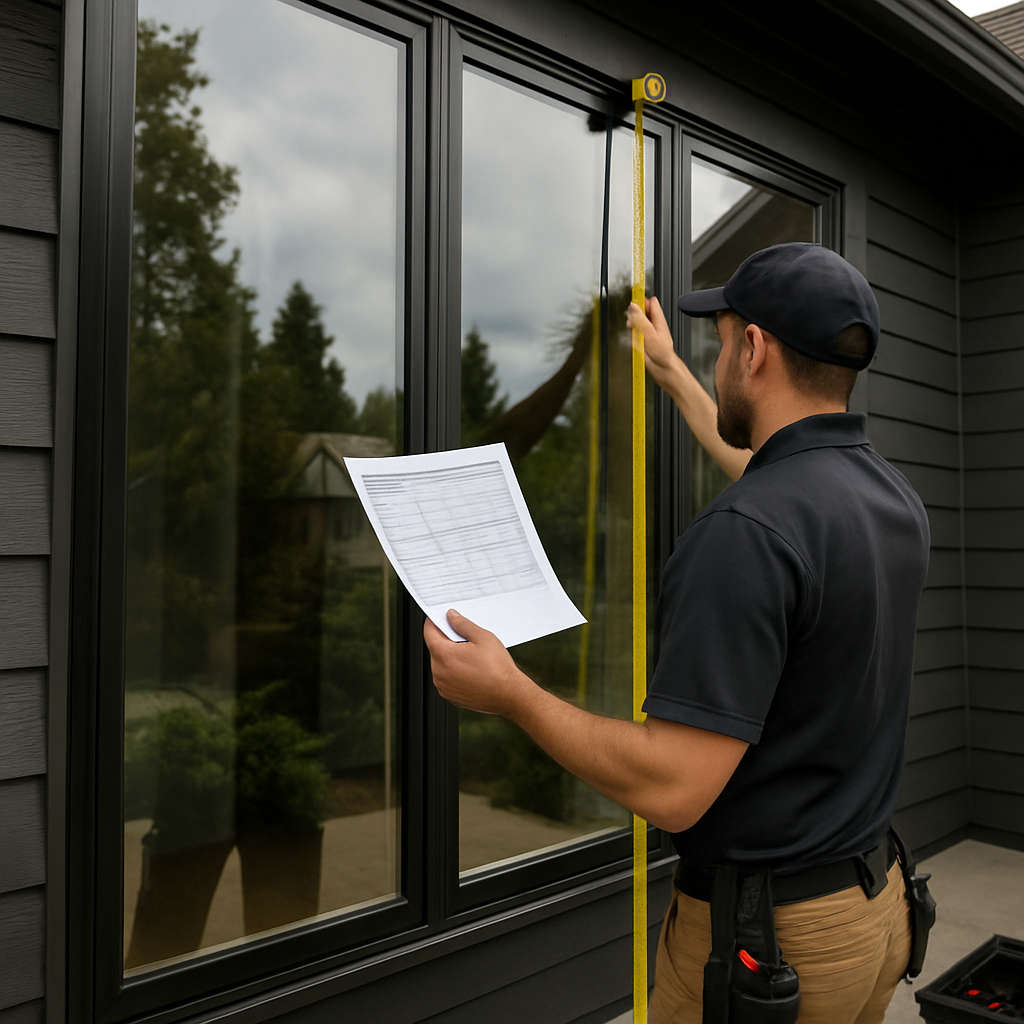
Next consideration: request an on site estimate that includes measured glass area, proposed film spec sheets with SHGC and VLT, and a rebate pre-qualification so you can see a realistic net cost and payback for your specific house.
Cost, Sample ROI Calculation for a Portland Single Family Home, and Pricing Expectations
Straight answer: expect professional-grade uv blocking window film to cost about $8 to $18 per square foot installed in the Portland area, with typical jobs clustering around $10 to $14 per square foot depending on film type, window count, and difficulty of access.
What drives price and what changes ROI
Key cost drivers: film technology (ceramic and spectrally selective cost more), glass condition and size, number of small vs large panes (more labor with many small windows), vertical reach or scaffolding needs, and whether an installer must mitigate thermal stress on older insulated glass units. Cheaper dyed films lower upfront cost but usually have shorter useful life and weaker optical warranties, which matters if you count longevity as part of ROI.
| Input / Scenario | Low | Mid | High |
|---|---|---|---|
| Glazing area (sq ft) | 200 | 200 | 200 |
| Installed cost per sq ft | $8 | $12 | $16 |
| Upfront installed cost | $1,600 | $2,400 | $3,200 |
| Typical rebate (example) | $150 | $300 | $400 |
| Net cost after rebate | $1,450 | $2,100 | $2,800 |
| Estimated annual energy savings | $75 | $200 | $400 |
| Simple payback (years) | 19.3 | 10.5 | 7.0 |
Practical insight: Portland has a mild cooling season, so energy-only paybacks can be long unless you have substantial west or southwest glazing. Calculate ROI with both energy savings and non-energy values such as reduced fading, occupant comfort, and extended HVAC life. For many homeowners the decision is mixed value: slower energy payback but clear preservation and comfort benefits.
- Pricing expectations by product: ceramic or spectrally selective films (3M Prestige, Huper Optik) sit at the top of the range for better visible light retention and IR rejection; carbon or hybrid films (SunTek Carbon, LLumar Vista mid-lines) are mid-range; dyed budget films are lowest cost but fade and delaminate sooner.
- Rebates matter but vary: work with an installer familiar with Oregon programs to capture incentives. See our Oregon rebate guide for details and steps to apply Window Film Energy Rebates in Oregon.
- Warranties and longevity: a longer manufacturer warranty and professional installation reduce lifecycle risk; factor warranty value into the effective cost.
Concrete example: a Portland single family home with 200 square feet of single-family glazing (large living room and bedrooms) chose 3M Prestige at $12/sq ft. Installed cost was $2,400, rebate $300. The installer estimated annual cooling and comfort savings of about $200 and a measured 6 to 8 degree reduction in peak surface temperature. Simple payback after rebate was roughly 10.5 years, with the homeowner valuing reduced fading and better daylight more than short-term payback.
If you want a tailored number, request an onsite estimate so the installer can measure glass area, identify orientations, and check insulated glass unit condition. Use our online request for a free quote Window Tinting Estimates.
Installation, Warranties, Thermal Considerations, and Maintenance
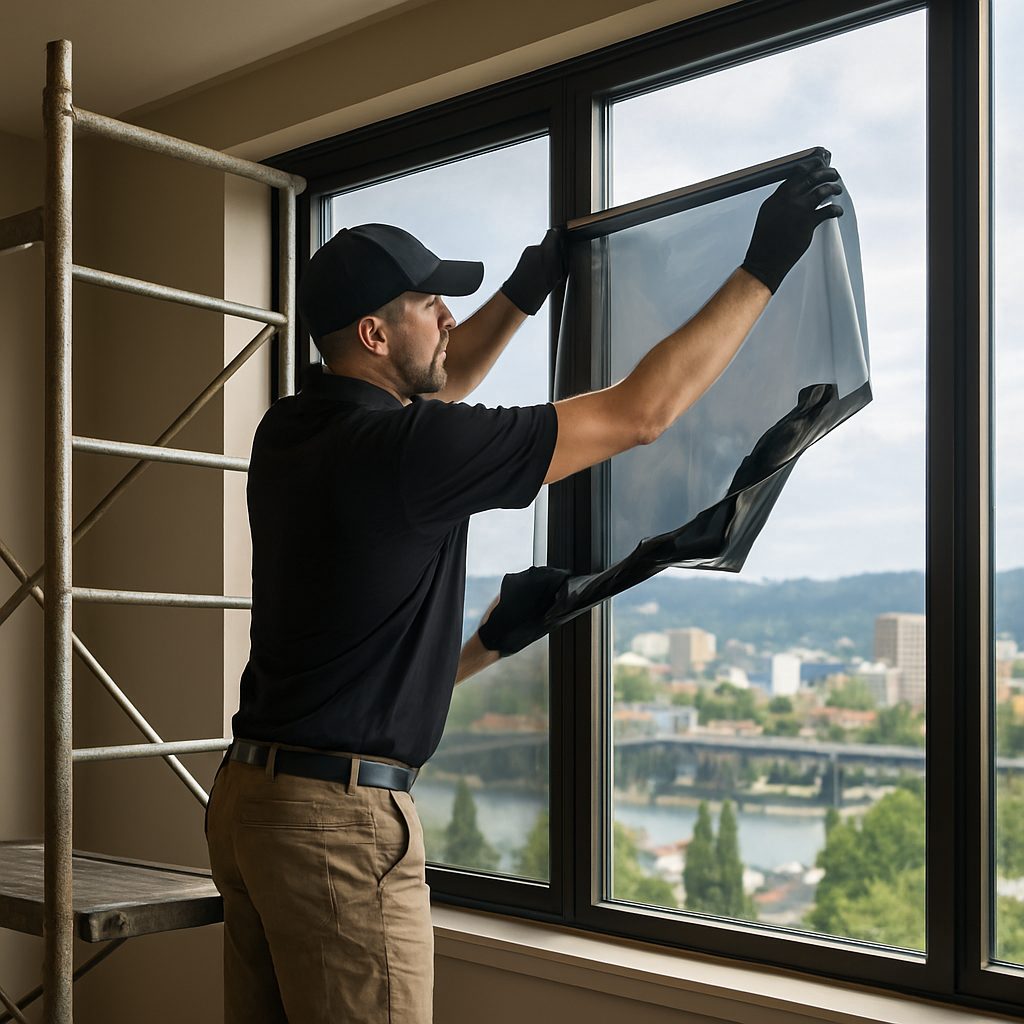
What to expect on install day: A typical residential job takes a half to two full days depending on access and window count; commercial storefronts often run longer and need lifts or scaffolding. Installers will clean glass, trim film to each lite, squeegee out solution, and leave windows edge-cleared rather than butted against the seal to reduce stress.
Warranties — the specifics you must get in writing
Ask for two warranties: one from the manufacturer and one from the installer. Manufacturer warranties cover film failure modes like peeling, adhesive breakdown, and abnormal discoloration; installer warranties cover workmanship and may include labor for replacement. Typical manufacturer periods run 5–15 years depending on product; confirm whether the warranty is transferable and whether it is pro‑rated.
- Key warranty questions: Request the exact warranty document, confirm start date, ask what voids the warranty (for example, harsh cleaners or pre-existing seal failure), and whether storm damage or glass breakage are excluded
- Coverage examples: Color change, peeling, bubbling, and adhesive staining are commonly covered; scratches and accidental damage usually are not
- Registration and proof: Many manufacturers require the installer to register the job for warranty validity — get a copy of the registration or confirmation number
Thermal stress — the real constraint on older insulated glass units
The trade-off: Dark, high-absorptance films block heat but raise glass surface temperatures. On older insulated glass units (IGUs) that already have weak seals or tempered asymmetry, that temperature change can accelerate seal failure or cause edge cracking. Professional installers assess glass age, spacer condition, and visible delamination before choosing a film.
Practical mitigation: For suspect IGUs choose spectrally selective or low-absorptance films that reject IR while keeping visible light, leave a deliberate edge clearance, and avoid heavy metalized dark films. If windows are original to the house and more than 15–20 years old, plan for a glass inspection budget or selective IGU replacement instead of forcing the darkest film.
Concrete Example: A downtown Portland office had west-facing units manufactured in 1999. Tinting Oregon inspected the seals, recommended a ceramic spectrally selective film instead of a dark metalized option, and replaced two IGUs with visible seal fog before finishing the job. The result: glare and heat control without introducing new seal failure risk.
Maintenance — what preserves life and warranty coverage
Cleaning baseline: Use a soft microfiber, mild soap and water, and a plastic squeegee. Avoid ammonia-based cleaners on some films, abrasive pads, and razor blades unless the manufacturer explicitly allows them. Wait 30 days after install before aggressive cleaning to let adhesives cure on permanent films.
Removable and exterior films: Removable films have different adhesives and may require a specific solvent for clean removal; exterior films are exposed to weather and need more frequent inspection. Keep records of cleaning and any incidents — installers sometimes require proof of proper care for warranty claims.

Final judgment: Installation and warranty details matter more than product advertising. If your glazing shows age or edge defects, budget for inspection or selective glass replacement first — the cheapest dark film can cost more long term if it triggers seal failure or is outside warranty terms.
How to Choose the Right Film and Installer: A Practical Checklist
Start with the installer, not the price. The film performs only as well as the person who measures, fits, and registers the job with the manufacturer. Treat the film choice and installer selection as a single procurement decision— cheap film plus poor installation is the most common failure mode.
Onsite quote checklist (what to request and why)
- Lab spec sheet: Ask for the manufacturer data sheet showing UV rejection percentage, VLT, and SHGC; insist on third-party or manufacturer test data rather than a one-line marketing claim.
- Sample panel in-situ: Request a 12–24 inch sample applied to a window you care about so you can judge daylight, color shift, and glare from your seating positions.
- Manufacturer-certified installer: Confirm the installer is listed on the manufacturer site and that the film will be registered to you for warranty protection.
- Warranty details in writing: Get both product and labor warranty terms, and a clear statement of what voids coverage (e.g., aftermarket cleaning, removal by non-certified crew).
- Rebate handling: Ask whether the installer will pre-check eligibility and submit paperwork—this typically speeds claims and avoids surprises. See Window Film Energy Rebates in Oregon.
- Thermal stress review: For older insulated glass units, require a thermal-stress assessment and written plan to avoid edge delamination or seal failures.
- Site-specific costs: Make sure quotes itemize access costs (scaffolding, boom lifts), window count and sizes, and disposal—lowest per-square-foot price often omits these.
- Adhesive type and permanence: Confirm whether the film is removable or permanent and whether the film is interior or exterior grade for your application.
Practical trade-off: If you need daylight plus heat reduction, spend on spectrally selective or ceramic films. They cost more up front but preserve VLT while rejecting IR, which matters in rooms where you do not want darkened interiors. Cheap dyed or heavily metalized films win on price but cost you in appearance, radio interference, and replacement frequency.
Concrete example: A Portland condo owner with a west-facing living room asked two installers for quotes. The lower bid used a dyed film and excluded rebate paperwork; the other provided a sample panel, quoted a spectrally selective film, and handled Energy Trust paperwork—after rebate the effective cost was only marginally higher and glare plus afternoon heat fell noticeably, allowing a one-degree thermostat setback.
Red flags to walk away from: Vague performance claims, no sample, refusal to register warranty with the manufacturer, or a flat no on providing lab sheets. Also avoid installers who pressure you to choose the darkest VLT as the only solution to fading—that is rarely the right trade-off.
If you want an onsite estimate that includes sample panels and a rebate pre-check, request a free visit: Request a Quote.
