

Tinted Windows in Oregon: Benefits, Regulations, and Installation Tips
If you are weighing tinted windows in Oregon for energy savings, UV protection, privacy, or storefront security, this guide cuts through marketing claims and local confusion. You will get a clear rundown of real benefits across Portland, Salem, Eugene and Bend, how to verify vehicle and building regulations, and which film types and brands make sense for Pacific Northwest conditions. Practical installation tips, cost drivers, and a contractor vetting checklist will help you get accurate quotes and a warranty backed installation.
Why Oregon Properties Benefit from Window Film
Energy management that actually pays: In Oregon conditions, the right combination of solar control film and low emissivity film reduces summer cooling load and cuts winter heat loss enough to matter for many properties. For older single pane windows or south and west facing glazing in Portland and Bend, film is often the faster, lower upfront cost route to comfort compared with full window replacement.
UV protection and interior preservation: High quality films from 3M, Llumar or Solar Gard block over 99 percent of UV radiation, which materially slows fading of hardwood floors, textiles and artwork. That is a direct, measurable benefit for rentals and retail storefronts where replacement of displays and finishes is visible and recurring.
Practical benefits and the limits you must accept
- Glare and screen comfort: Solar control films reduce visible glare and improve occupant productivity in offices and living rooms where monitors and TVs are used.
- Privacy and aesthetics: Frosted and decorative films are low cost ways to create private spaces in multi family units or conference rooms without sacrificing daylight.
- Security and glass protection: Safety films increase glass retention during breakage and reduce cleanup and theft risk for storefronts, but they do not create bulletproof barriers.
- Tradeoff – not a universal replacement for insulated glass: Window film improves performance but does not change the R value of a sealed insulating unit. For buildings with failing seals or thermal defects, film helps comfort but is not a technical substitute for replacing insulated glazing.
Practical limitation to watch: Dark, highly absorptive films can increase thermal stress on some types of glass, especially older tempered panes or glass with edge damage. That risk is real in high desert areas like Bend where temperature swings are large; an installer should assess glass condition and recommend ceramic or low-absorption films when needed.
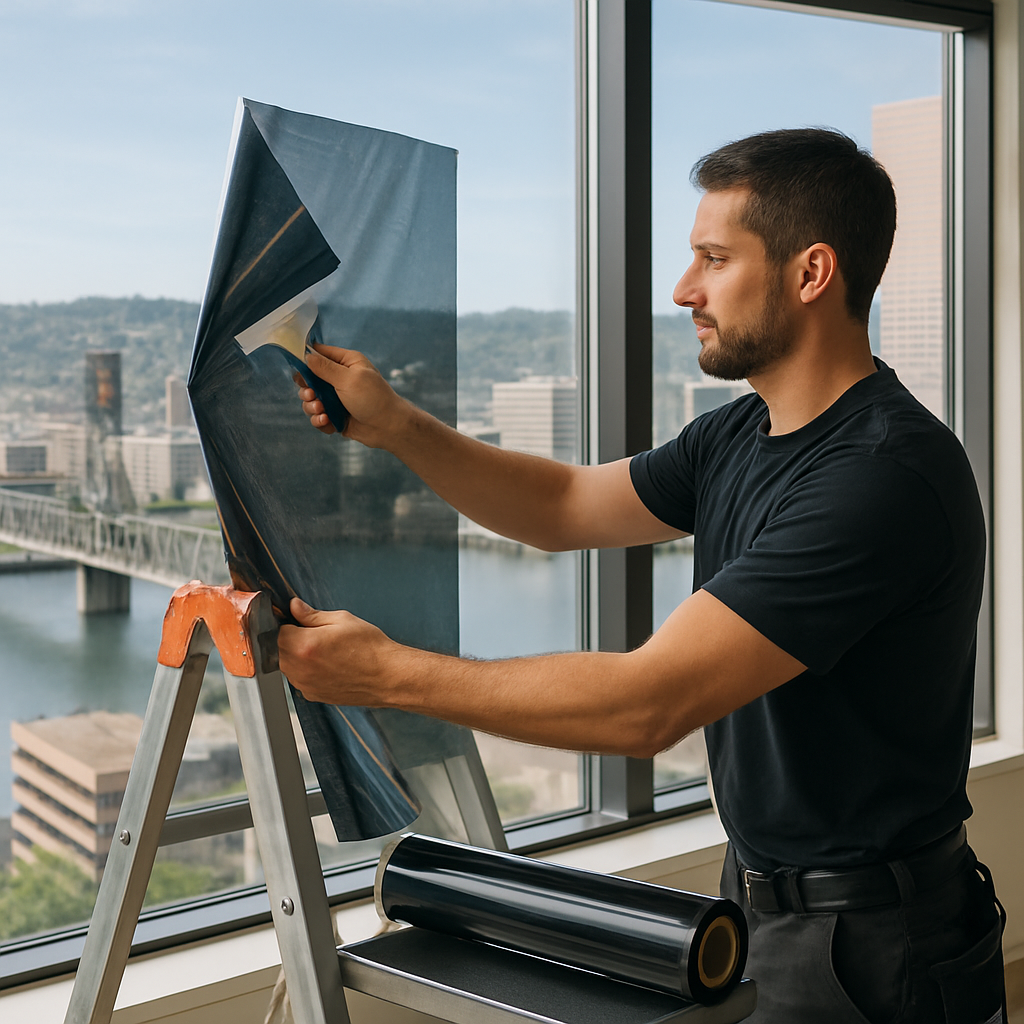
Concrete example: A small law office in downtown Portland applied a ceramic solar film from 3M to eleven south-facing windows. The office reported immediate glare reduction, better screen legibility, and a noticeable drop in midday AC cycling during summer months. The owner chose ceramic to avoid the mirror-like look of metalized films that would have conflicted with the building facade.
Real-world judgment: The highest return on investment in Oregon tends to be on older single-pane homes, sunrooms, and ground-floor retail storefronts where replacement costs are high and occupant comfort or merchandise preservation is urgent. For newer dual-pane low-e windows, the incremental energy gain from film is smaller and often not cost effective unless glare, privacy, or security is the primary concern.
Next consideration: If you want a site-specific estimate and brand options, request a local assessment and ask the installer for performance specs and warranty pass through from manufacturers such as 3M Window Films or check energy incentive guidance at Energy Trust of Oregon.
Oregon Regulations and Where to Verify Them
Plain fact: rules that govern tinted windows in Oregon are split between vehicle equipment law and building-code/local land-use rules — and you must check both before you buy or install film.
Vehicle tint: start with the DMV
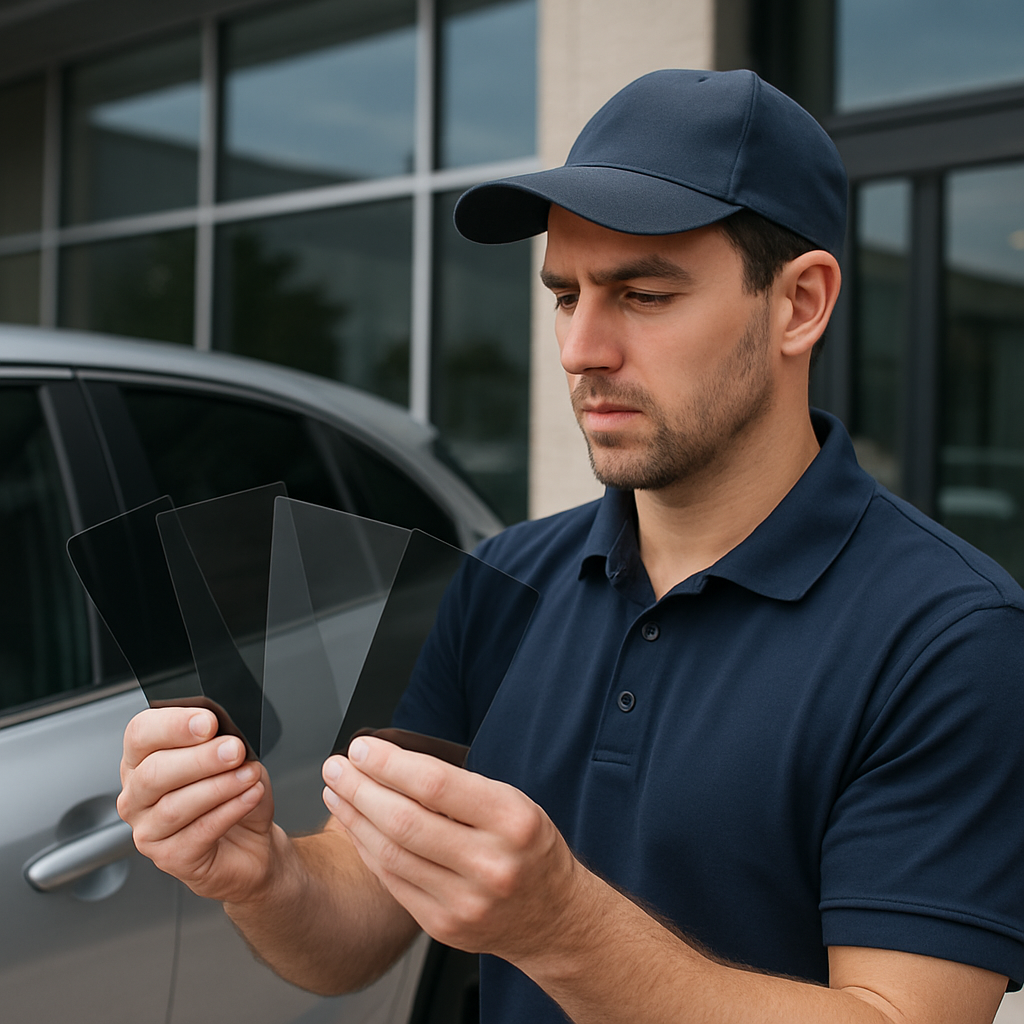
Check the Oregon DMV first. Vehicle tint rules cover windshields, front side windows and rear glazing differently; they change often enough that installers quoting old Visible Light Transmission numbers can be wrong. Use the official guidance on the Oregon Department of Transportation vehicle equipment page and, when in doubt, call your local DMV branch to confirm current interpretation or exemption processes: Oregon DMV vehicle equipment pages.
Building code, safety glazing, and local planning
Commercial and some residential projects need code review. Large storefronts, fire egress glazing, and assemblies required to be safety glazed can be affected by film application. The Oregon Building Codes Division explains where modifications intersect with code; your local building department will decide whether a permit, engineering sign-off, or tempered-glass replacement is required: Oregon Building Codes Division.
Practical trade-off: applying security or thick safety film can improve glass retention but may alter the tested performance or appearance that a building official relied on. Expect extra paperwork and possible delays for commercial storefronts — budget time and application fees into your project plan.
- Step 1: Read the DMV page and print the vehicle equipment guidance for your files.
- Step 2: Phone your city or county building department with the project address and ask whether window film on that glazing requires a permit or design review.
- Step 3: For historic districts or HOAs, get written approval from the local planning or HOA board before ordering film.
- Step 4: Ask your installer for the exact film model, VLT and manufacturer spec sheet in writing and insist they confirm code compliance in writing or provide a pre-installation compliance letter.
Concrete example: A retail owner in downtown Eugene had security film applied to a storefront to reduce smash-and-grab damage. The installer did not check with the city; at inspection, the building official said the film changed the glazing classification and required either an approved safety glazing retrofit or a different film with an engineer's letter — the project stalled for three weeks and cost the owner an unexpected permit and rework fee.
What installers get wrong in practice: many auto tint shops assume rear-window flexibility and sell the darkest films without verifying older DMV interpretations, while some commercial installers assume every storefront is the same. That saved time up-front but creates legal and warranty headaches — insist on documentation and local code confirmation before work begins.
Next consideration: before you pick a film or schedule installers, request a site-specific compliance check from a certified installer and attach the manufacturer spec sheet to your permit or DMV query so you have a paper trail if questions arise.
Types of Window Film and Which Work Best in Oregon
Practical point: choose film based on the problem you are solving, not on appearance alone. Different film families target solar control, thermal retention, security, or privacy, and performance differences matter in Portland rain, Eugene overcast summers, and the high desert sun in Bend.
Solar control films – metalized, ceramic, hybrid
Metalized films: metal particles give strong heat rejection at a lower cost but increase exterior reflectivity and can cause radio or GPS interference. Metalized options work where cost matters and reflectivity is acceptable, for example warehouse glazing with little street exposure.
Ceramic films: offer high heat reduction, low reflectivity and optical clarity. They are more expensive but hold up better under thermal stress and remain nonconductive so no signal interference. For most Portland residential and commercial facades where appearance and glare control matter, ceramic is the practical default. See manufacturer specs at 3M Window Films.
Hybrid films: blend metal and ceramic layers to hit a middle ground on cost and performance. They are a reasonable choice when the budget is limited but signal interference must be avoided.
Low emissivity films – winter performance
Low-e films reduce heat loss by lowering emissivity of the glass surface and can improve comfort on single pane windows in cold Oregon winters. They do not necessarily reject solar heat the way solar-control films do, so for south and west exposures you may want a product that balances low-e and solar control. Tradeoff: low-e improves winter efficiency but will not solve summer glare on its own.
Concrete example: a Bend bungalow with single-pane sash windows installed a low-e film on north and east windows to reduce nighttime heat loss, and ceramic solar film on west-facing living room windows to cut afternoon glare. The combination improved comfort without the cost of full window replacement.
Security, decorative, and automotive films
Security films come in 4 mil to 12 mil and thicker. Thicker films keep shards bonded to the frame and slow forced entry, but they require careful edge sealing and may need mechanical anchoring for high risk storefronts. In downtown Portland retail, 7 mil security film anchored to the frame is a common, cost effective deterrent.
Decorative/privacy films provide frosted, patterned, or translucent options for bathrooms and conference rooms while preserving daylight. They are inexpensive, quick to install, and avoid the permanence and cost of etched glass.
Automotive and specialty films are engineered for vehicles and demand different adhesives and edge tolerances. Before selecting automotive film, verify legal limits at Oregon DMV vehicle equipment. For cars, ceramic automotive films are best when heat and clarity matter; metalized auto films are cheaper but can cause interference and may raise inspection flags.
- Selection rule: match film family to the primary objective – solar control, thermal retention, security or privacy.
- Optics vs price: ceramic generally wins for clarity and longevity but costs more than metalized or hybrid films.
- Installation sensitivity: thicker security films need robust frame conditions; low-e films work poorly on already laminated or coated glass types unless checked by a pro.
Practical limitation: cheaper metalized films may save money up front but often cost more in the long run due to optical degradation, signal issues, and higher reflectivity complaints from neighbors or tenants.
Installation Process and Practical Tips
Installation is where product selection and real performance meet. A correct film poorly installed will fail early; a marginal film well installed will still disappoint. Focus first on the survey and contract details before any cutting or adhesive touches the glass.
On-site assessment: what a professional checks
What installers inspect: glass type (tempered, laminated, insulated double pane), existing seal condition, frame reveal and glazing channel, edge damage, and any film left from prior work. Edge condition and IGU health matter more than most owners realize; a delaminating insulated unit will trap moisture behind new film and ruin the result.
- Surface prep: Complete removal of contaminants is mandatory. Any silicone, wax, or paint leads to bubbling and early delamination.
- Pattern and cut: Film is measured and cut oversized, then trimmed after placement. For multi pane units installers confirm thermal gap tolerance to avoid thermal stress.
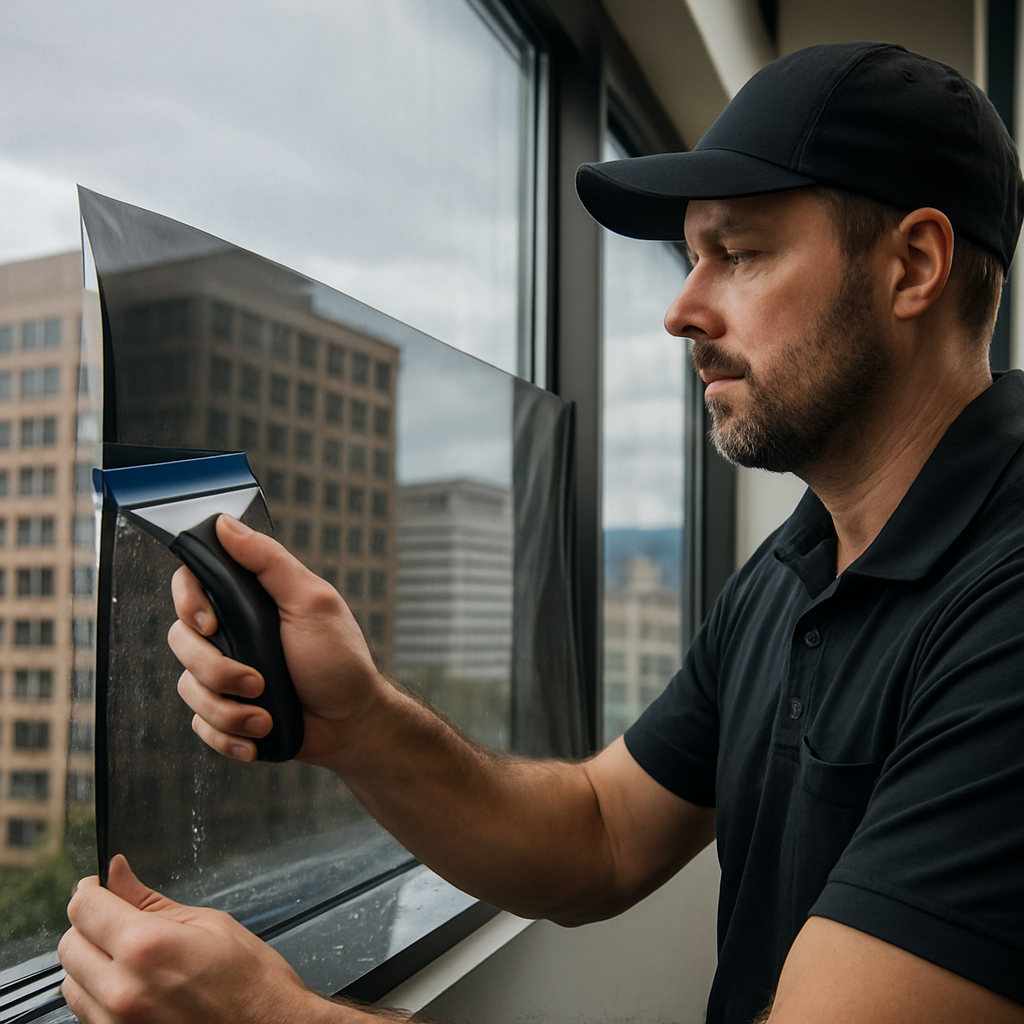
- Wet application and squeegeeing: The wet method allows positioning and reduces trapped air. Proper squeegeeing direction and pressure are skill work, not a weekend task.
- Edge trimming and sealing: Poor edge contact and unsealed cuts are the single biggest cause of peeling in Oregon climate.
- Curing and inspection: Allow manufacturer recommended cure time. In cold or humid conditions curing can take days longer; installers must note this on the job ticket.
Timing and weather trade-off: Schedule exterior or large commercial installs in a mild, dry window. High humidity in coastal Portland or rainy Salem slows adhesive cure and increases risk of hazing and staining. For Bend high desert projects, expect wider thermal swings; choose films with proven thermal stability such as ceramic or carbon options from 3M or Llumar.
DIY and mobile services: realistic limits. Mobile window tinting services are excellent for cars and small residential jobs; they are not a drop-in replacement for multi story storefronts that need lifts, scaffolding, or custom edge sealing. DIY window tint kits in Oregon often fail because home conditions cannot replicate the clean, dust free environment and climate control used by professionals.
Concrete Example: A midtown Portland retail tenant had reflective metalized film applied to reduce glare. The initial installer used a metalized film on tempered storefront glass and stress microcracking appeared within months. The owner replaced that film with a ceramic high-performance film and obtained a written installer warranty covering thermal stress. The result stopped the cracking and met the aesthetic requirement.
Important: insist on the exact film model and finish written into the contract, plus cure time and post-install inspection dates.
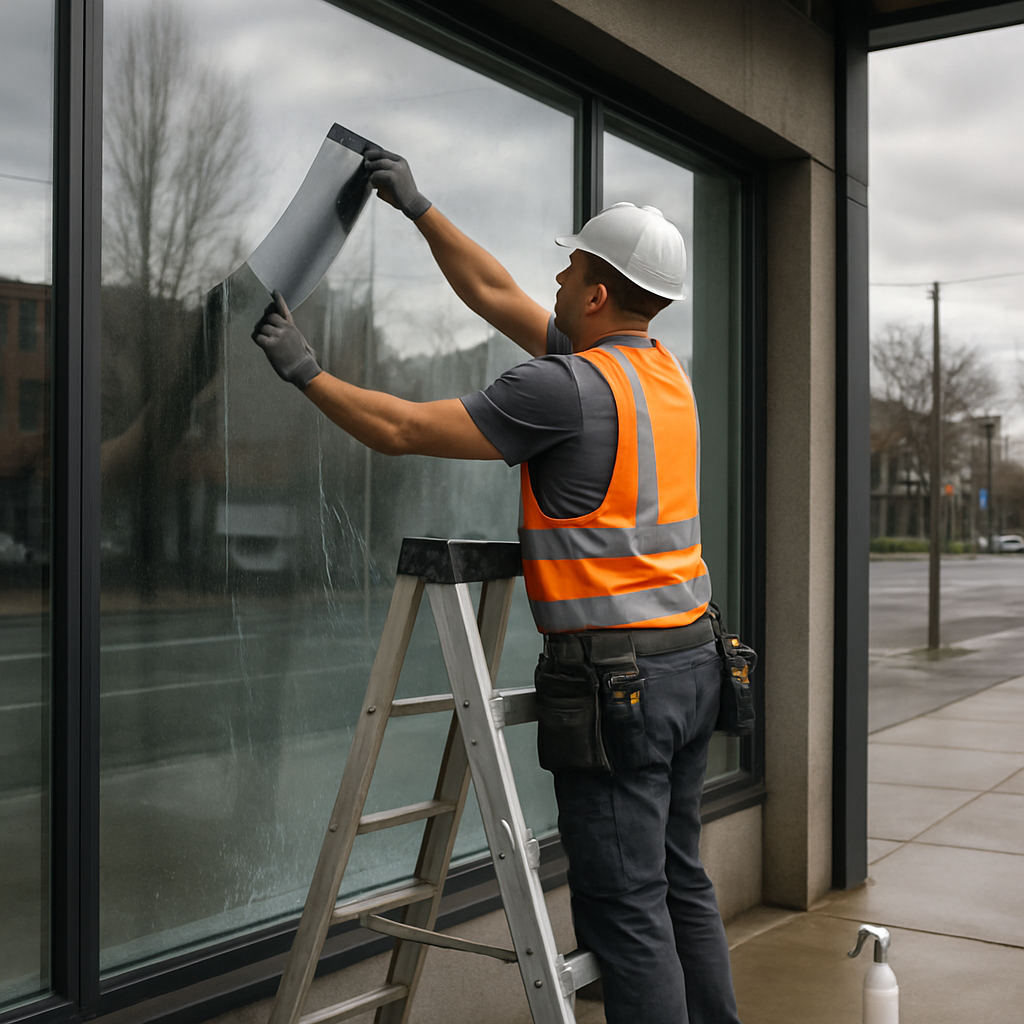
Final judgment: The installation process is the single biggest determinant of long term performance. Pay for a qualified, local installer who documents film model, cure conditions, and warranty terms. Cheap quick installs save money up front and cost more in removal and rework later.
Maintenance, Longevity and Warranty Considerations
Key point: Proper maintenance and warranty paperwork determine whether tinted windows in oregon remain an asset or become a recurring cost. Small mistakes – wrong cleaner, unsealed edges, or an unregistered film – are the usual causes of early failure, not mysterious product defects.
Cleaning, daily care and what to avoid
- Routine cleaning: Use a soft microfiber, mild dish soap or a pH neutral glass cleaner, and a spray bottle. Rinse residue with clean water and dry with a separate lint-free cloth.
- Avoid ammonia and abrasive pads: Ammonia will attack adhesives and many metallic films; scrapers and rough brushes scratch polyester-based films.
- Wait for cure time: Do not aggressively clean newly installed film for 30 days – installers often call this out in maintenance sheets.
- Car-specific care: For automotive films, avoid high-pressure water jets and abrasive automatic car washes during the first month and instruct drivers about edge cleaning to prevent dirt build-up.
Practical limitation: Cleaning removes visible dirt but cannot fix adhesive failure or edge delamination. If you see bubbling, peeling at the edges, or significant hazing, stop cleaning and document the condition for a warranty claim rather than trying do-it-yourself repairs that can worsen the damage.
Longevity – realistic expectations and climate effects
Typical life spans: Expect 10 to 15 years for high-performance films such as ceramic or carbon when properly installed. Lower-cost dyed films commonly show visible degradation in 5 to 7 years, especially on sun-exposed, south or west facades.
Oregon-specific trade-off: In Bend and Central Oregon the high desert sun and wide temperature swings increase thermal stress on film edges and adhesives. That raises the risk of delamination on large single-pane units – pay more for thicker adhesives or choose films designed for thermal stability.
Judgment call: Spending more on ceramic or premium metalized films usually pays off in longevity and color stability. Cheap film saves money up front but frequently doubles lifecycle cost through earlier replacement and higher labor expense.
Warranties – what you must verify before the installer leaves
Manufacturer vs installer warranties: Manufacturer warranties cover film failure and discoloration per their terms. Installer warranties cover workmanship and labor. Both are important – a manufacturer warranty is often void or nontransferable unless the installer is an authorized dealer.
- Ask for specifics: Get the exact film model, the warranty PDF, and confirmation that the installer is an authorized dealer for brands like 3M or Llumar.
- Register the product: Manufacturers often require product registration for full protection – make sure the installer completes registration and gives you proof.
- Document pre-install condition: Take dated photos of the glass and frames prior to installation to avoid disputes over preexisting seal failures or glass defects.
Common warranty exclusion to watch: Warranties rarely cover mechanical damage, scratches, improper cleaning, or failure due to preexisting glass edge corrosion. If a building has failed seals or stressed glazing, insist on a written note from the installer that those conditions were inspected and accepted.
Concrete example: A downtown Portland retailer had a 2 year failure when a low-cost film began peeling at edges. The installer was not an authorized dealer and had no viable labor warranty; the manufacturer denied coverage because the film model was not registered. The retailer ended up paying for replacement with a premium Solar Gard film and insisted on a written installer labor warranty and registration paperwork up front.
Next consideration: When you request an estimate, add warranty and maintenance verification to your vetting checklist – see our installer vetting guide at Window Tinting Place Near Me: How to Vet Local Shops and Contractors and confirm manufacturer details on 3M Window Films.
Selecting a Local Installer in Portland, Salem, Eugene and Bend
Start local: the installer, not the film alone, makes or breaks the job. Even the best ceramic or low-e films fail when cut poorly, edge-sealed badly, or installed on glass with damaged seals. Focus your evaluation on local experience with Oregon conditions, written warranties, and proof of completed jobs that match your building type.
Vetting checklist — what to ask and demand
- Brands and authorization: Which film brands and models do you install? Are you an authorized dealer for 3M, Llumar or Solar Gard? Ask to see dealer certificates.
- Local portfolio: Provide photos and references for projects in Portland, Salem, Eugene or Bend of the same building type (residential, storefront, multi-tenant).
- Written specs and warranty: Get a written spec that names film model, VLT, Solar Heat Gain Coefficient, and both manufacturer and installer warranty with pass-through confirmation.
- Insurance and licensing: Proof of general liability and workers compensation, and a local business license. For multi-story work, ask about fall-protection and scaffold experience.
- Site assessment process: Do they perform on-site measurements, take glass condition photos, and note seal/thermal issues before quoting?
- Maintenance and follow-up: Do they provide written care instructions and a contact for warranty callbacks?
Practical trade-off: Mobile installers are cheaper for single cars or ground-floor residential windows, but they often lack shop cutting tables and quality controls needed for large commercial storefronts or laminated/security films. Pay more for a shop-backed installer when the project includes retail security film, multi-pane insulating units, or high-access work.
Concrete Example: A Salem property manager needed privacy and glare control for a downtown office. A mobile-only vendor quoted lowest price but could not provide jobsite insurance proof or examples of commercial storefront film. Choosing a shop-certified installer with 3M authorization cost 15% more but included a written spec, pass-through manufacturer warranty, and documented installation photos useful for the building file.
What installers often overstate: Dealer badges look good but are not a substitute for recent, relevant project photos. Authorized dealer status guarantees access to product training and warranty support, but it does not guarantee tidy seams, correct edge sealing, or correct film selection for Oregon climate stresses.
- Red flags: overly low bids with no written spec; refusal to show insurance; no local references; no post-installation care instructions.
- Good signs: written measurement report, manufacturer pass-through warranty, examples of work in your city, clear staging and access plan for multi-story jobs.
If you want a place to start, request an on-site assessment from a local shop that lists Portland, Salem, Eugene and Bend service areas and provides a written spec. See Tinting Oregon for service pages and vetting guidance, and confirm vehicle tint questions with the Oregon DMV vehicle equipment page or building code clarifications at the Oregon Building Codes Division.
Next consideration: Schedule a paid site assessment rather than accept a ballpark quote over the phone; that single step eliminates the most common selection errors and protects warranties and building compliance down the line.
Cost Estimates, ROI and Incentives Available in Oregon
Quick reality: price varies more by access and film type than by square footage. Expect labor and scaffolding for multi story storefronts or difficult residential installs to drive the bill up faster than the cost of the film itself.
Typical cost bands and the variables that matter
- Basic solar or dyed film: $6 to $12 per sq ft — lowest material cost but shorter lifespans and limited UV/heat control
- Mid-tier metalized or carbon films: $10 to $18 per sq ft — better heat control and durability
- High-performance ceramic films: $15 to $30+ per sq ft — best optical clarity, low reflectivity, longer warranty
- Security/laminated films: $8 to $25 per sq ft depending on thickness and anchoring method
- Access and labor adjustments: Add 20 to 100% for scaffolding, boom lifts, traffic control, or delicate historic glass
- Mobile installs vs shop work: Mobile window tinting service in Oregon will save you demolition costs but can add travel or small-job minimums
Concrete example: a 200 sq ft Portland retail storefront using a mid-tier 3M solar control film at roughly $18 per sq ft will run about $3,600 installed. If the space has moderate HVAC cooling loads and daytime sun exposure, expect simple payback on cooling savings plus reduced fading in roughly 4 to 7 years — shorter if the store pays high demand charges or has strong afternoon sun.
On ROI: residential projects in Oregon typically have longer measured energy paybacks than commercial installs because our cooling season is mild. Energy ROI is realistic where there is heavy daytime cooling, large single-pane areas, or commercial lighting and cooling costs. Non-energy returns – reduced fading of interiors, improved tenant comfort, lower glare, and crime reduction from security film – are often the stronger justification in Portland, Salem, Eugene and Bend.
Trade-off to accept: cheaper film lowers upfront cost but often shortens warranty and degrades optical clarity sooner. DIY window tint kits in Oregon will be cheaper but almost always reduce effective lifetime and void manufacturer warranties, so they rarely improve lifecycle ROI for commercial or high-value residential work.
Incentives and rebate workflow: check Energy Trust of Oregon for available rebates and program rules. Incentives are typically limited to specific products, require pre-approval, and frequently require the installer to be a participating trade ally. Do not install first and ask for reimbursement later without explicit written confirmation.
