
How Security Window Film Protects Your Oregon Home and Business
If you are weighing ways to reduce break in risk and limit glass injuries, security tinted window film is a cost effective retrofit that changes how glass behaves under impact. This article explains how security tinted film and tinted security film work, the specific protections they deliver for Oregon homes and businesses, and how to choose film thickness, anchoring, and a qualified installer in Portland, Salem, Eugene, and Bend. You will also get realistic cost ranges, warranty and insurance considerations, and the co benefits such as UV reduction, privacy, and energy savings so you can decide between retrofit film and full glass replacement.
How security tinted film protects glass and people
Concrete assertion: properly specified and installed security tinted film does not make glass indestructible — it changes failure mode. Instead of shards spraying into a room and the pane ejecting from its frame, the film bonds to the glass and holds fragments together so the opening stays largely intact and people are less likely to be cut or hit by flying glass.
How it works: security window tint is a multi-layer polyester laminate that adheres to the glass surface; when struck the film absorbs and distributes energy across the pane, keeps broken pieces attached, and increases the time required to create an entry. That delay is the practical benefit: it reduces laceration risk and gives alarms, cameras, or occupants time to react.
Standards and what they mean in practice
A useful test distinction: ANSI Z97.1 and ASTM F1642 provide measurable comparisons between products. Meeting those standards means you have data you can show an insurer or risk manager. In practice, choose films with published test reports rather than trusting marketing alone; thickness and anchor method matter more than marketing names.
- Immediate effect: reduced glass scatter and lower cut risk for occupants
- Security effect: increased time-to-entry during smash-and-grab attempts
- Co-benefits: many security tints also reduce UV, glare, and provide privacy
- Limitation: without perimeter anchoring, even thick film can fail under repeated aggressive attack or extreme blast loads
Practical trade-off: thicker films (12 to 17 mil) increase resistance but raise cost, may slightly alter optical clarity, and are heavier to install. For most Oregon homes an 8 mil or 12 mil security tinted film balances deterrence, clarity, and price. For high-risk storefronts or sites needing blast mitigation you must pair heavy films with mechanical edge anchoring; the film alone is not a complete substitute for anchored glazing systems.
Concrete example: a Portland craftsman with a large picture window installed an 8 mil solar plus security tinted film. When a vandal threw a rock through the outer pane the film held the fragments, the family avoided lacerations, and the opening remained attached long enough for neighbors and police to respond — the film did the protective job without replacing the entire window.
Common misunderstanding: many property owners assume darker tint equals better security. That is wrong. Visible light transmission and security are separate properties; a clear 12 mil safety film can outperform a dark 4 mil solar film every time. Pick film by construction and test data, not darkness.
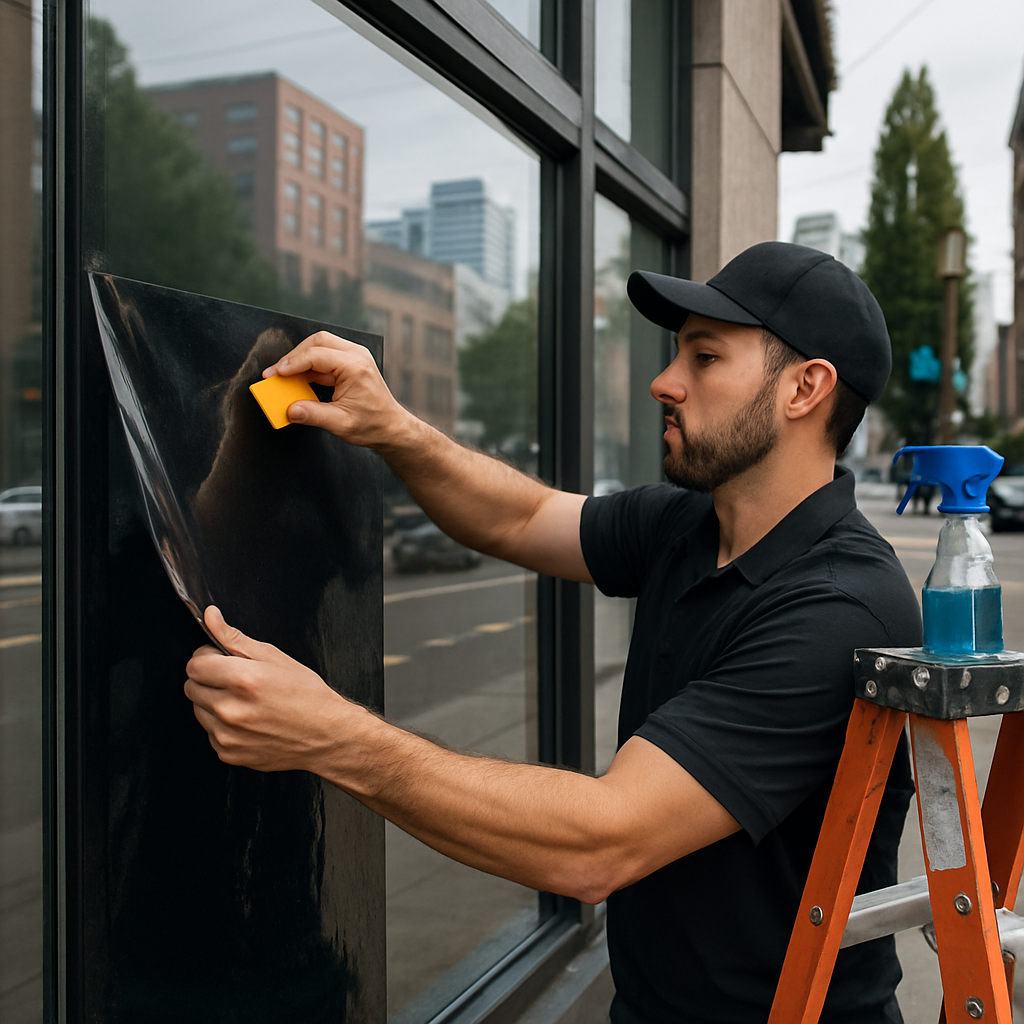
If you want measured performance and local installation, request manufacturer data sheets and a site assessment. Start with a documented proposal that lists film thickness, test certifications, and whether perimeter anchoring is recommended — then decide based on real-world protection, not color.
Specific benefits for Oregon homes
Practical protection that fits Oregon realities. Security tinted film gives homeowners more than delayed entry; it addresses three local problems at once: close-quarter privacy in Portland neighborhoods, sudden wind or debris events on the coast and in the Gorge, and strong seasonal UV and glare in eastern Oregon.
Crime deterrent and delay. In practice a visible layer of security film for windows increases the time an opportunistic burglar needs to punch through glass and extract property. That delay matters in Portland and many suburban areas where most residential break-ins are quick smash-and-grab attempts; extra minutes increase the chance of detection or an alarm response.
- Privacy and curb appeal: Security tinted options provide privacy window tint without boarding windows; choose low-reflective tints to preserve historic Craftsman aesthetics.
- Sun and fabric protection: UV protection window tint reduces fading for hardwood floors and upholstery, useful for east-facing windows in the Willamette Valley and higher UV exposure in eastern Oregon.
- Storm and impact resilience: Shatter-resistant window film holds glass fragments to the film so families and pets avoid laceration during windstorms or accidental impacts.
When tinted versus clear security film makes sense
Choose tinted when you need privacy or glare control. For row houses and street-facing windows in Portland, an 8 to 12 mil security tinted film that also provides solar control hits the best balance of privacy, reduced glare, and deterrence. Choose clear for historic homes where visible tint changes the facade; a clear 12 mil film preserves glass appearance while improving protection.
Tradeoff to accept: light versus visibility. Tinted films reduce visible light transmission and change interior brightness. For north-facing rooms this is negligible; for small dim rooms pick a lighter tint or a clear security film. Thicker films give more resistance but cost more and can slightly alter glass optics, so match thickness to risk not to anxiety.
Concrete example: A Portland homeowner with a large bay window chose an 8 mil low-reflective tinted security film to cut afternoon glare, protect floors from UV, and increase break-in delay while keeping the original window muntin appearance. At a Bend vacation rental, the owner applied a clear 12 mil anti-shatter window film on sliding doors to avoid changing the unit look while reducing tenant injury risk and theft loss.
Real-world judgment. For most Oregon single-family homes the best value is a combined approach: pick a security film with some solar control and 8 to 12 mil thickness unless you have a documented high-risk exposure. For rental or remote properties, favor the thicker option because repairs and liability costs are higher than material cost.
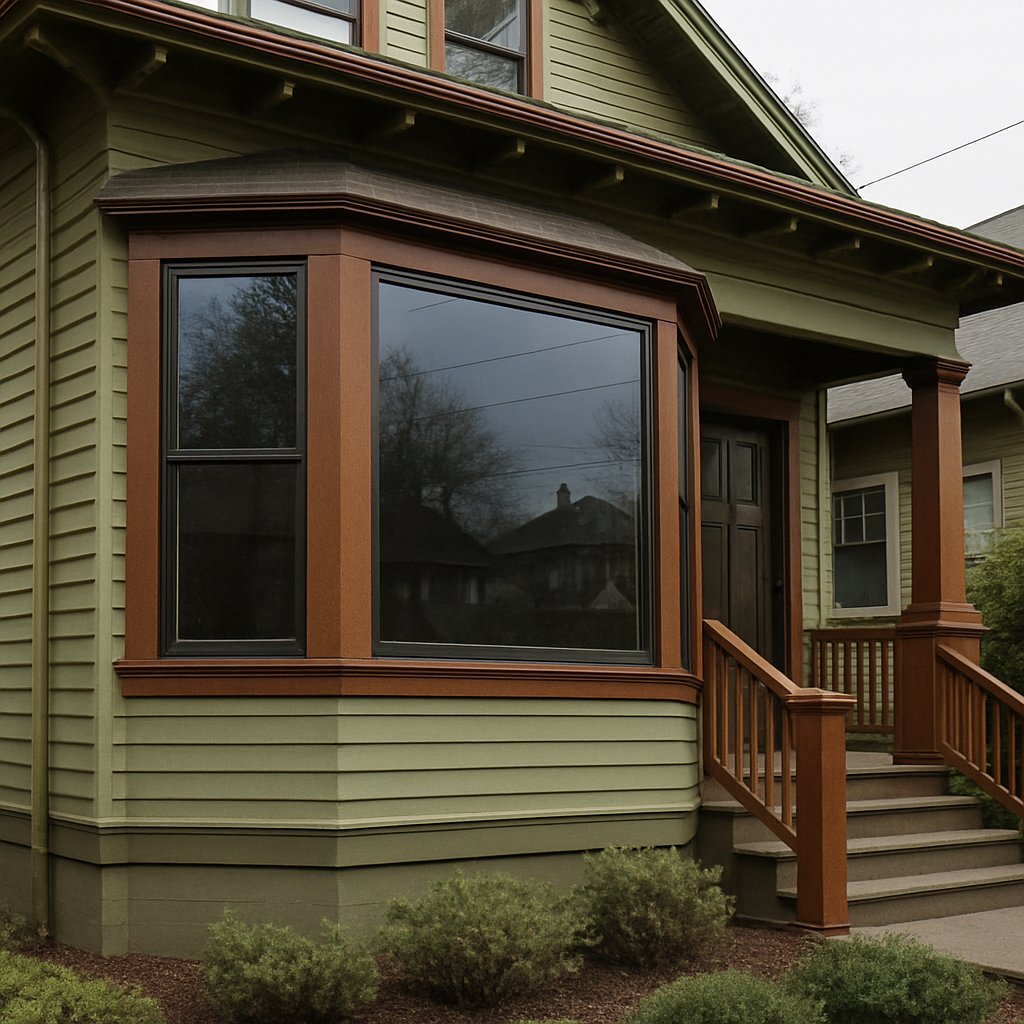
Next consideration. Before committing, request manufacturer data and local installer references; see Security Films for Bend, Sisters, and Redmond, OR. | Tinting Oregon for local examples and site assessments.
Specific benefits for Oregon businesses
Bottom line for businesses: security tinted film is not cosmetic — it is a retrofit that buys time, reduces physical risk to staff and customers, and lowers inventory loss from smash-and-grab attacks when used as part of a layered security plan. For commercial properties the real value is the delay and reduced secondary damage, not absolute prevention.
Storefronts, retail and hospitality
Storefront protection: choose 12 mil and up for retail façades where break-ins are a realistic threat; pair that film with perimeter anchoring or mechanical attachments for repeat-target locations. Thin films under 8 mil protect against incidental breakage but fail quickly under repeated hammering or crowbar attacks.
- Visibility tradeoff: security tinted film (darker films) improves privacy and hides high-value displays, but it reduces passive surveillance and can hurt window merchandising. Clear or lightly tinted security film preserves visibility while adding strength.
- Employee and customer safety: in restaurants, offices, and medical clinics a security film reduces flying glass injuries and can limit liability exposure after a break-in or accident.
- Energy and comfort co-benefit: security tinted options with solar control deliver UV protection and glare reduction, which matters in Oregon storefronts with large south-facing windows.
Integration matters more than thickness alone. Film without alarms, monitored cameras, or mechanical anchoring simply slows an intruder briefly; it only converts that delay into reduced loss when a response system or physical barrier follows through. If your property lacks quick police response or private monitoring, allocate budget to anchoring or monitored alarms before chasing the heaviest film.
Practical constraint: installing dark security tinted film in hospitality or retail can change interior light and color rendering. For restaurants and galleries this is an operational tradeoff — pick a film that balances VLT with strength, or use clear security film on key display windows and tinted film on less critical openings.
Concrete example: A downtown Portland boutique replaced poorly performing Plexiglass with a 12 mil clear safety film plus edge anchoring after two smash-and-grab incidents. The film kept the glazing intact long enough for staff to trigger the alarm and for police to arrive; subsequent losses dropped and the insurer accepted the retrofit documentation when processing their claim.
If you need proof for insurers or property managers, request manufacturer test data and installer certification. See the IWFA for installer standards and 3M for specific product pages: IWFA and 3M Safety and Security Films. For a local commercial assessment schedule a site survey through our security film page: Security Window Film Installation.
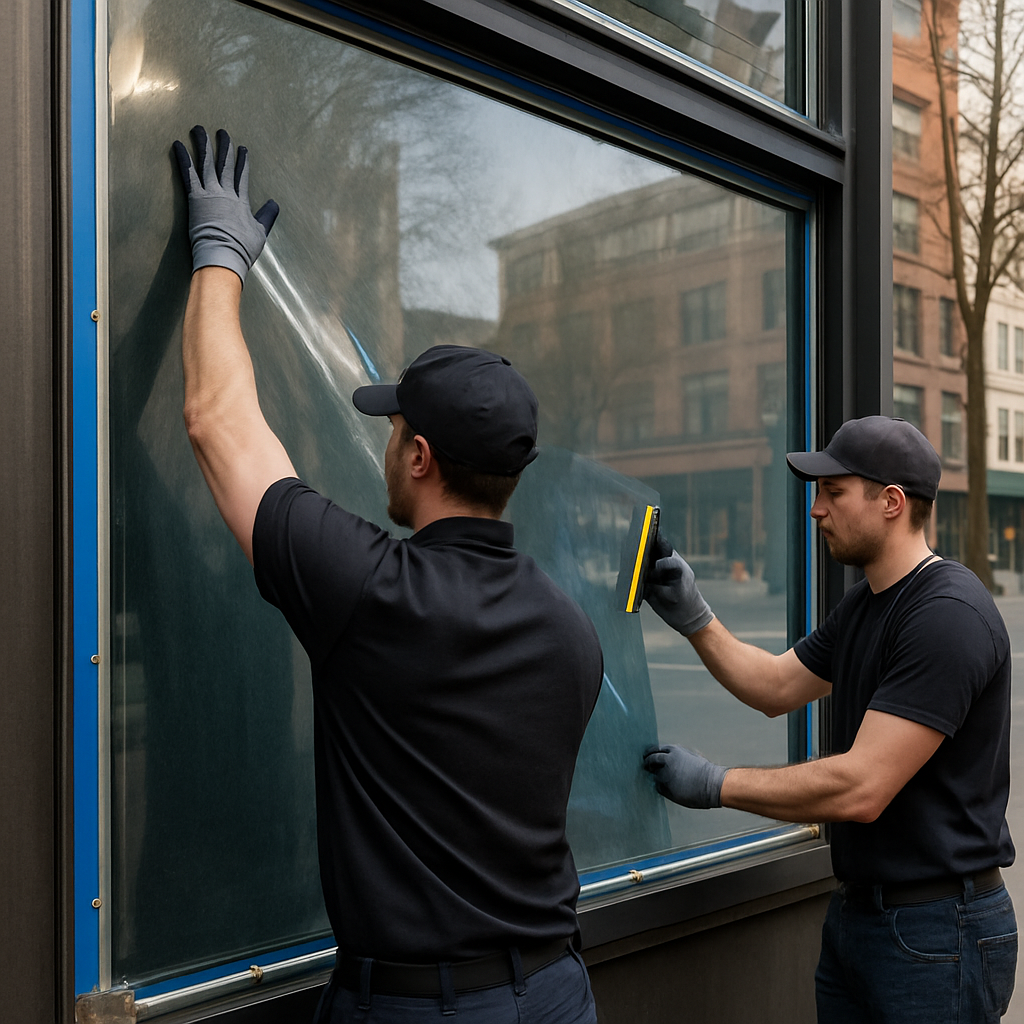
Next consideration: evaluate which windows are primary targets, whether visibility or privacy is the priority, and whether monitored alarm upgrades or mechanical anchoring will be installed alongside the film before you pick a product and installer.
Selecting the right security tinted film and brands
Choose by threat, not by logo. The single biggest selection mistake is picking a brand because it sounds familiar. Security tinted performance is driven first by film thickness and attachment method, then by adhesive chemistry and optical quality. Brands matter, but only after you match film grade to the actual window, occupancy, and risk profile.
Thickness categories and tradeoffs. For practical decisions use these ranges: 4 mil for light safety and scratch resistance, 7–8 mil for most residential deterrence and sliding doors, 12 mil and up for storefronts and higher-risk commercial openings, and 17–21 mil where blast mitigation or extreme retention is required. Thicker film increases holding power but raises cost, can slightly reduce visible light transmission, and needs more careful edge finishing—optical clarity and installation skill decline faster with cheap products as thickness grows.
Brand differences that matter. Trusted names to evaluate are 3M Safety and Security Films, LLumar Safety Films by Eastman, Solar Gard by Saint-Gobain, Madico, and Armorcoat. They vary on warranty length, scratch-resistant coatings, available tints, and published test data. Prefer manufacturers that publish ANSI/ASTM test reports and run installer certification programs; that makes post-install warranty and insurance conversations far simpler. See 3M Safety Films and IWFA for installer standards.
Solar plus security versus clear security. Choose solar-plus security film when glare, UV reduction, or privacy are priorities—this gives multi purpose value for Oregon homes that need both heat rejection and protection. Pick near-clear security films for retail displays, museums, and places where color fidelity and daylighting are critical. Expect a performance tradeoff: darker solar tints improve glare control but reduce visible light transmission.
Perimeter anchoring is often the deciding factor. Film alone improves glass retention, but mechanical anchoring or channel systems change outcomes dramatically for storefronts and high-risk entries. Anchoring costs more and can alter the frame appearance, but in practice it multiplies resistance to repeated attacks—don’t skip it when loss or human safety is the priority.
One common misunderstanding. Buyers assume thicker film equals secure installation. In reality a thin, well-anchored film can outperform a thick, poorly finished film. Vendor claims should be checked against published test standards such as ASTM F1642 and ANSI Z97.1 reports.
Concrete Example: A Portland craftsman with large picture windows that face the street will get the best value from an 8 mil solar-plus security film—enough thickness to delay smash-and-grab attempts, plus UV protection and reduced glare for interiors. A downtown Portland boutique with high display value should use 12 mil film with a mechanical anchor system and a certified installer to avoid catastrophic loss and to qualify for insurer mitigation credits.
- Selection checklist: Match threat to thickness and anchoring
- Require published test data (ASTM/ANSI) from the manufacturer
- Hire a manufacturer-certified or IWFA-trained installer
- Confirm warranty terms and service for Oregon climates
- Decide solar versus clear based on glare, privacy, and daylight needs
- Document the job with photos and data sheets for insurance
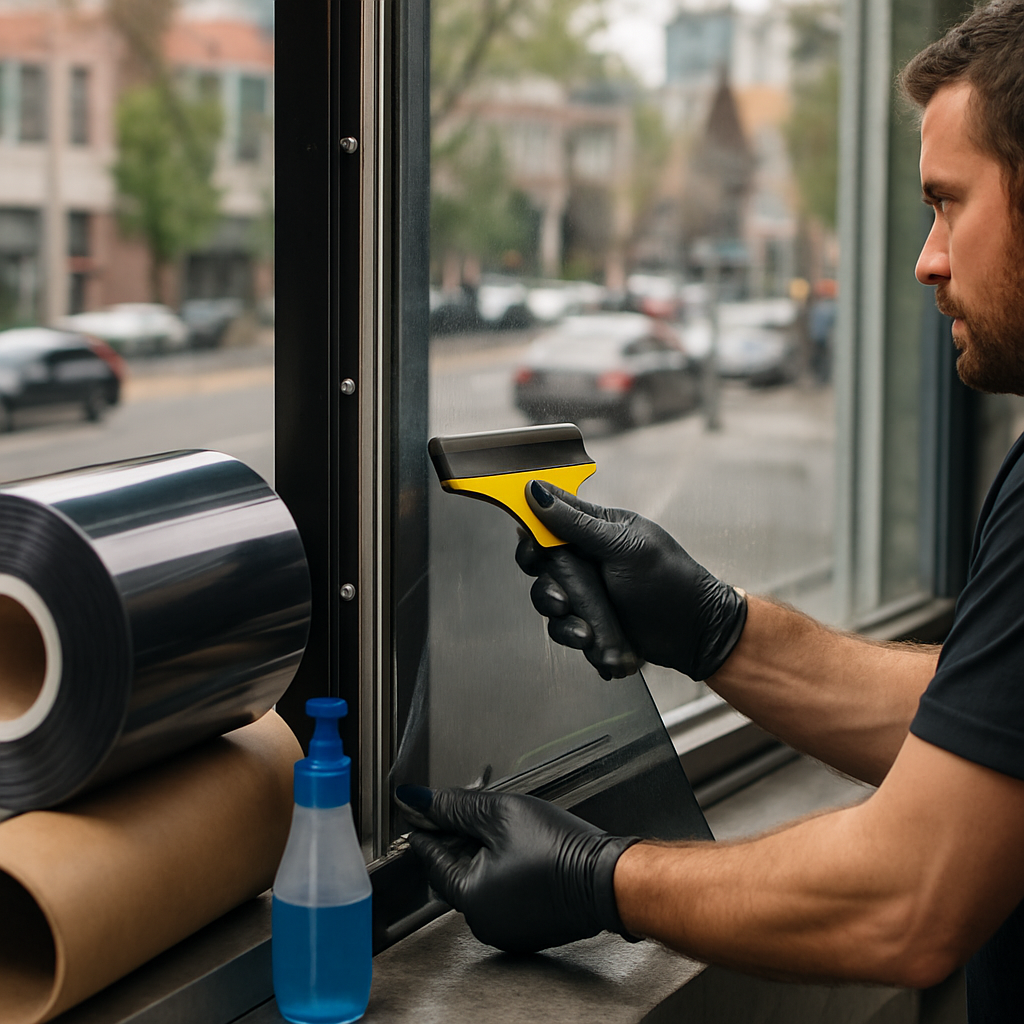
Installation process, costs, and typical timelines in Oregon
Straight answer: expect a short site survey, a day or two of hands-on work for most homes, and a cost range that moves with film thickness, anchoring requirements, and access. Security tinted installations are not plug-and-play — the way the film is finished at the edges and whether it is mechanically anchored determines real security performance.
Typical installation steps
- Site assessment: measure glass, check frame condition, note tempered glass or sealed-unit failures, and recommend thickness/anchoring.
- Material ordering: select film (clear or tinted), order sized sheets; specialty tints or thick security films can add 7–14 day lead time.
- Surface prep and masking: clean glass, protect adjacent finishes, and pre-fit film where required.
- Application and edge work: wet-apply film, squeegee, trim, and complete edge finishing or adhesive anchors; perimeter anchoring installed when specified.
- Inspection and cure: final inspection, customer walkthrough, and advice on cleaning during the cure window (24–72 hours recommended).
Practical trade-off: anchoring the film to the frame multiplies installation time and cost but moves performance from deterrent to genuine delay. For storefronts and high-risk openings you need mechanical anchors or channel systems; for low-risk residential windows an 8 mil film properly finished at the sash is often the cost-effective choice.
| Film thickness / typical use | Installed cost per sq ft (Oregon typical) |
|---|---|
| 8 mil — residential deterrence, sliding doors | $8 to $12 |
| 12 mil — heavy residential or light commercial | $12 to $18 |
| 17–21 mil + anchoring — storefronts, blast mitigation | $18 to $25+ |
Timing and logistics: small residential jobs (4–12 windows) usually finish in one working day for a two-person crew; medium projects take 1–3 days. Commercial storefronts that require anchors, scaffolding, or night work will stretch to multiple days and may require permits or coordination with building managers. Allow extra time in spring and summer for lead times on thicker or custom-tinted films.
Installation gotchas that raise cost: difficult access (lifts, scaffolding), odd-shaped or insulated glass units with failed seals, previous aftermarket films that must be stripped, and tempered glass restrictions. Also note that older glass with surface waviness can show optical distortion when fitted with thick films — replace glass first if optical clarity matters.
Concrete example: a Portland craftsman with six large single-pane sash windows had an on-site survey, chose an 8 mil security tinted film for privacy and safety, and the crew completed the job in one day for roughly $900 to $1,200 total. By contrast, a downtown Salem retail storefront specifying 12 mil film with perimeter anchoring required two days, a three-person crew, and a $4,500 estimate because of lift rental and anchor hardware.
Next consideration: before you sign a quote, confirm the installer is manufacturer certified or IWFA trained, get a breakdown of material vs labor, and ask how anchoring changes both the cost and the tested performance. That single decision will determine whether your security tinted film is cosmetic or genuinely protective.
Code, testing, insurance, and local considerations for Oregon
Codes and paperwork matter as much as film selection. Installing security tinted film without addressing building code, testing evidence, and insurer requirements creates avoidable delays and lost value.
Code reality: security film improves glass retention but does not automatically change mandatory safety glazing requirements such as tempered glass in egress areas or guards. Do not assume a retrofit removes a requirement to replace noncompliant glass where code already specifies safety glazing. Always confirm with the local building official in Portland, Salem, Eugene, or Bend before relying on film for compliance.
What testers and insurers will actually look for
Insurers and risk managers expect objective evidence. Provide manufacturer technical data sheets, ANSI/ASTM test results, and an installation certificate from a certified installer. Useful references include the ASTM F1642 impact/blast standard and ANSI Z97.1 performance notes used by major manufacturers. If you cannot produce those documents, expect pushback or no premium credit.
- Installer credential checklist: IWFA or manufacturer certification, proof of liability insurance, and local references in the same city.
- Documentation for insurers: manufacturer data sheet, ASTM/ANSI test reports, before and after photos, and the installer signed scope of work.
- Permits and approvals: written confirmation from the building department when perimeter anchoring or frame work is proposed.
Local environmental tradeoffs: pick film formulations that handle the local climate. Eastern Oregon needs UV and heat resistant adhesives; Bend properties need films and sealants rated for freeze-thaw cycles; coastal or riverfront sites benefit from corrosion resistant fittings. Choosing the wrong film or hardware reduces service life and voids warranties.
Concrete example: A downtown Portland retailer installed 12 mil security tinted film with mechanical edge anchoring on a busy storefront. The installer supplied the 3M test reports and an installation certificate. After the insurer reviewed the documentation and inspected the job, the store owner received a modest premium credit tied to reduced glass replacement exposure. The retrofit still required a permit because the anchoring altered the storefront framing.
Practical limitation and judgment: if your goal is both energy control and code compliance, do not rely on a single thin film to solve both problems. Thicker safety films plus mechanical anchoring cost more and may require permit work, but they are the only retrofit that reliably changes glass retention performance to meet higher risk scenarios. For routine residential deterrence, a properly documented 8 mil security tinted film is often the best cost to benefit choice.
If you want help packaging documentation or arranging a permit inspection, start with a site survey from a manufacturer certified installer. Tinting Oregon provides local assessments and will prepare the test reports and photos insurers ask for. See our security film service page for details and to request an on site estimate: Security Films for Bend, Sisters, and Redmond, OR. | Tinting Oregon.
Local examples and recommended next steps for property owners
Start with a site specific risk decision. Urban storefronts, suburban homes, and mountain vacation rentals face different threats and weather patterns; a one size fits not all. Before you pick a film color or thickness, document the most likely failures you want to prevent – smash and grab, kicked-in patio doors, windborne debris – and use that to drive film choice and anchoring.
Practical trade off to accept up front. Thicker films and perimeter mechanical anchoring materially increase resistance to repeated attack but raise material and labor costs and change how windows look at the edge. For many residential owners an 8 mil security tinted film with good installation hits a reasonable cost versus benefit point; for high-value storefronts or rental units with repeat targets, plan for 12 mil plus anchored systems even though the installed cost will be higher.
Local examples
Concrete Example: A downtown Portland retailer installed 12 mil security window tint with perimeter anchoring after two smash and grab incidents. The film held the glass to the frame long enough for staff to trigger the alarm and for police to arrive, reducing merchandise loss and eliminating repeated full glass replacement costs. The owner documented the install and later received a modest insurance premium consideration when submitting the manufacturer data sheets.
Eugene use case: A family replaced a sliding glass door with an 8 mil solar plus security film to balance privacy window tinting, glare reduction, and improved forced entry delay. The job stayed within a homeowner budget and delivered visible comfort benefits while increasing break in time.**
Bend vacation rental example: Property managers chose a clear 12 mil shatter-resistant window film on large patio doors to avoid changing interior lighting while protecting guests and reducing liability for broken glass during shoulder-season storms. The heavier film required night work and a perimeter attachment detail but prevented two costly replacements after a late season wind event.
Recommended next steps for property owners
- Schedule a site survey. Book a no obligation on site assessment through Security Films for Bend, Sisters, and Redmond, OR. | Tinting Oregon or your local installer so they can measure sight lines, mounting details, and glass type.
- Request test data. Ask for ANSI Z97.1 or ASTM F1642 test reports and manufacturer technical data sheets for the exact film model you are quoted so you can compare measured performance rather than marketing claims. See 3M Safety Films.
- Get two written proposals. Each proposal should separate material, labor, and anchoring options and include warranty terms, maintenance guidance, and post install photos.
- Verify installer credentials. Prefer IWFA trained or manufacturer certified installers, local references in Portland, Salem, Eugene, or Bend, and evidence of liability insurance.
- Talk to your insurer. Provide the reports, installer credentials, and photos to ask about risk mitigation credits before you finalize the purchase.
- Plan for documentation and upkeep. Keep installation records, manufacturer literature, and a photo log to support future claims and warranty work; follow non abrasive cleaning guidance to avoid voiding warranties.
