
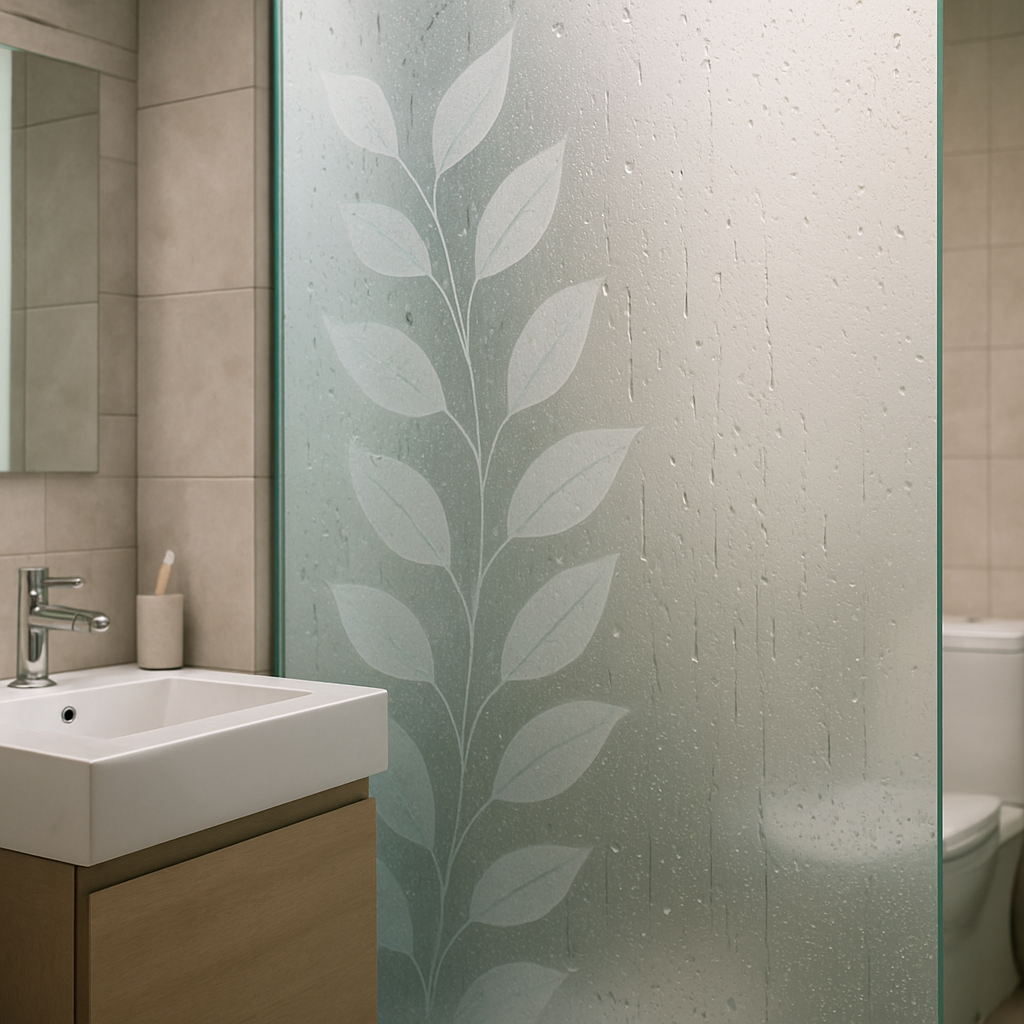
Glass Privacy Film for Bathrooms: Stylish, Moisture-Resistant Options That Work
If you want privacy without replacing glass or blocking daylight, glass privacy film for bathrooms is a fast, cost-effective retrofit that also offers light diffusion and optional UV protection. This guide compares real product types—frosted, patterned, adhesive and static-cling—explains moisture-resistance and installation tradeoffs, and sets realistic expectations for cost, lifespan, and maintenance in Oregon bathrooms. You will also get clear guidance on when a DIY peel-and-stick is sensible and when to hire a professional installer such as Tinting Oregon for wet-room projects.
Why glass privacy film is a practical bathroom solution in Oregon homes and commercial properties
Direct get-to-the-point: glass privacy film for bathrooms is the fastest, least disruptive way to add lasting privacy and light control without replacing glass or installing bulky treatments. In Portland-area condos, small commercial restrooms, and older houses where window replacement is costly or impossible, film buys time and design options at a fraction of the cost.
How it stacks up against common alternatives
- Vs replacement glass: much cheaper and faster; no frame or sash work, no demolition, and compatible with tempered glass when installed correctly.
- Vs blinds or curtains: lower maintenance and water-safe behind showers; no hardware that traps moisture or mildew.
- Vs acid-etched or sandblasted glass: similar look for less cost and zero structural change; you can reverse or update the design later.
Oregon-specific advantage: moisture and UV matter here. Many decorative polyester films also include UV blocking, which protects vanities and finishes from sun fade while letting diffuse daylight through a small north-facing bathroom window. For a summary of product lines that offer patterned and frosted finishes, see 3M Fasara decorative film.
Real-world example: A Portland condominium owner swapped a stained, mildew-prone shower curtain for 3M Fasara patterned film on the glass shower panel. The install took under three hours, cleaned visually, and removed the curtain rod as a moisture trap. The owner reported easier cleaning and a modern look that matched the remodel without replacing glass.
Tradeoff to accept: film does not change the structural safety classification of glass. If code or an inspector requires safety-rated glass, choose a film specified for fragment retention or replace the panel. Also, cheap static cling films will fail faster in steam-heavy showers; they are fine for guest bathrooms but not for high-use shower enclosures.
Practical friction most people miss: homeowner associations and commercial lease rules often restrict visible modifications. Film is usually reversible, which helps with approvals, but you still need to check rules before installing on shared units or storefronts. When in doubt, get a quick site evaluation from a local installer like Tinting Oregon—they will check glass type, access, and likely film choices.
Film categories that work in bathrooms with real product examples
Short answer: three film families cover most bathroom needs — decorative frosted polyester, patterned/textured decorative film, and pressure‑sensitive safety/decorative films — plus a fourth category, static cling, for temporary or low‑use situations.
Decorative frosted polyester (best all‑round choice)
What it is: polyester film with factory finishes that mimic etched or sandblasted glass. These are sold as 3M Fasara and LLumar Frosted among others and come in multiple opacity and pattern scales. Why use it: durable, easy to clean, available with pressure‑sensitive adhesives rated for humid environments, and preserves daylight while obscuring sight lines. See 3M product pages for pattern examples: 3M Fasara.
Patterned and textured decorative films
What it is: films with printed or embossed textures (Madico lines, Gila decorative frosted film).When to pick: use where texture hides water spots and provides visual interest — for example, a geometric or stripe pattern keeps privacy while adding design depth in contemporary bathrooms. Pattern scale matters: small, dense patterns block more detail; large open patterns preserve more visibility and daylight.
Static cling vs pressure‑sensitive adhesive
Tradeoff: static cling films (Gila Easy Apply) are cheapest and removable, but in steam rooms they shift, bubble, and fail much sooner. Practical judgment: for shower doors, wet rooms, or heavy daily use, choose a pressure‑sensitive adhesive film specified for wet locations; it costs more but lasts longer and is repairable by a pro.
Adhesive nuance: not all adhesives are equal. Acrylic adhesives tend to resist long‑term yellowing and shear from condensation better than low‑cost adhesives. Always check the technical data sheet for humidity or wet‑room ratings before buying.
Safety and multi‑function films: if you need fragment retention or extra UV reduction, choose decorative films that carry safety ratings or pair a decorative film over a safety/security film. This is common in multifamily or commercial restrooms where glass breakage is a liability concern.
Concrete example: A small boutique motel in Eugene replaced privacy blinds on corridor bathrooms with LLumar Frosted on the exterior-facing windows to preserve daylight in narrow hallways while preventing sight lines from the street. The hotel opted for pressure‑sensitive LLumar products and had a professional installer perform edge finishing to prevent water intrusion from nightly humidity.
Practical limitation: patterned films hide spots but can trap moisture at poorly finished edges. The best installations combine manufacturer‑rated film, careful substrate prep, and edge sealing or trimmed reveals — otherwise the aesthetic gains become maintenance liabilities.
- Quick pick: choose 3M Fasara or LLumar Frosted for long‑term bathroom use when you want a range of patterns and a proven wet‑room track record.
- Budget/rental option: use Gila static cling for short term changes, but plan to replace every 1–3 years in steam‑heavy showers.
- Safety need: specify a safety‑rated decorative or paired security film if fragment retention is required.
If the project is a shower enclosure or steam room, default to pressure‑sensitive films from established brands and a pro installer — that choice prevents most premature failures.
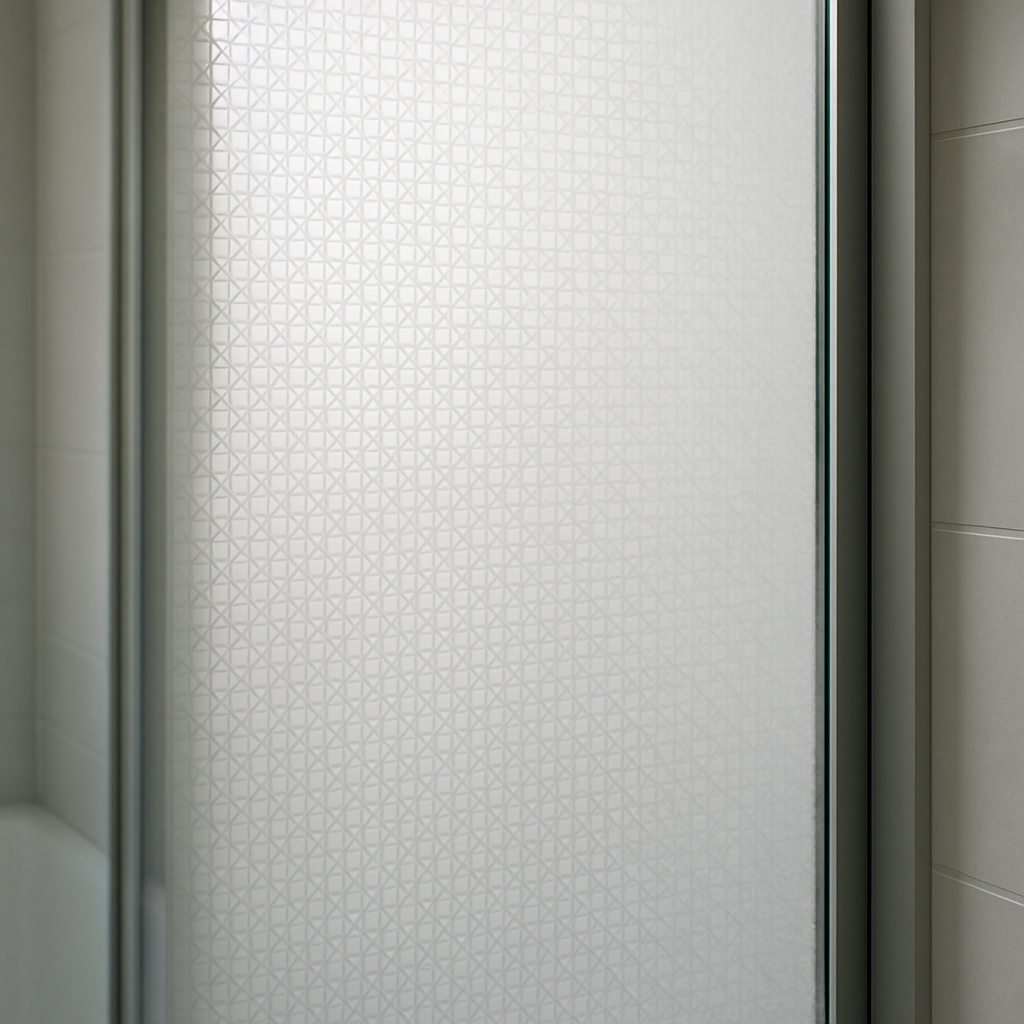
For reading on installation best practices and humidity guidance consult the IWFA and, for examples of decorative partition work, see Tinting Oregon's glass partition ideas at Glass Partition Makeover.
Moisture resistance explained: materials, adhesives, and performance in steam environments
Key point: Not all glass privacy film for bathrooms handles repeated steam cycles the same way. The substrate material is stable — most decorative films use a polyester core — but performance in bathrooms is dominated by the adhesive system and the installation details around edges and seams.
How materials behave in wet rooms
Polyester film core: Polyester resists moisture and UV; it provides the frosted, patterned, or clear look. It is not the weak link. Adhesives are. Acrylic pressure sensitive adhesives (PSA) formulated for wet locations bond tightly and resist hydrolysis from repeated condensation. Silicone or specialty acrylic chemistries are common on higher grade products such as 3M Fasara.
Static cling versus adhesive: Static cling films are easiest to remove but lose grip and bubble sooner in steam-heavy showers. Adhesive-backed films last longer but are harder to remove and require proper technique at installation and removal.
Reading technical data sheets and wet-room qualifications
Practical check: Look for manufacturer language about wet rooms, humid environment testing, or damp heat ratings in the technical data sheet. Good signs are explicit wet-location qualification, post-aging adhesion values, and an application note for shower doors or partitions. If those items are absent, treat the product as marginal for shower exposure and plan for earlier failure.
- Wet-location qualified: long-term choice for shower doors and high-use bathrooms
- Humidity-tested but not wet-location qualified: acceptable for windows near but not directly exposed to spray
- Static cling: suitable for low-use bathrooms or temporary solutions
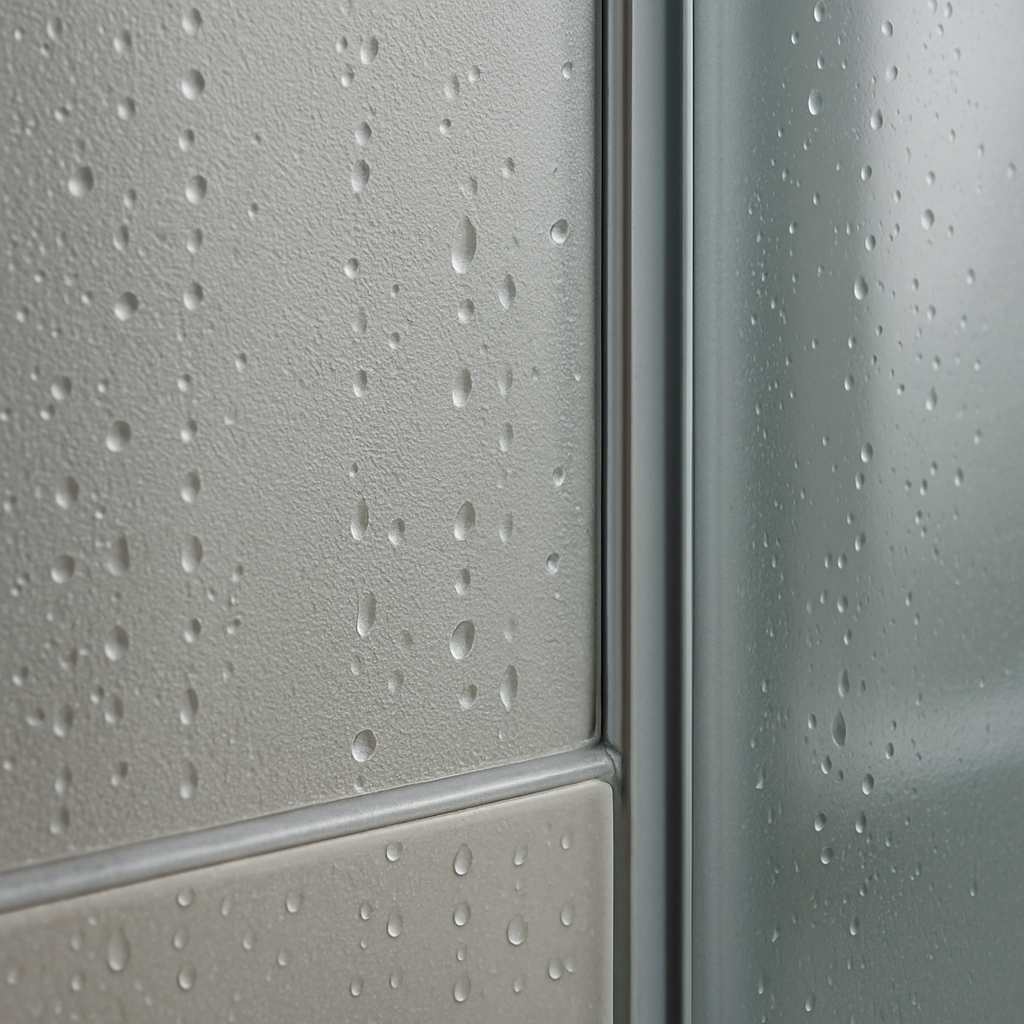
Edge details matter more than most people expect. Butt joints that allow drainage, perimeter edge sealing with compatible neutral-cure silicone, and avoiding trapped overlaps reduce delamination and mold growth. Overlapping film edges can trap water and are a common failure mode in steam environments.
| Adhesive type | Steam performance | Removability | Recommended use |
|---|---|---|---|
| Acrylic PSA (wet-rated) | High resistance to condensation and cycling | Moderate to difficult, professional removal recommended | Shower doors, high-use bathrooms |
| Static cling | Low in steam and high humidity | Easy; DIY friendly | Low-use bathrooms, short-term rentals |
| Safety/security laminated film | Very good; thicker materials tolerate moisture if edge treated | Difficult; typically professional | Shower enclosures where fragment retention is required |
Concrete example: A Portland condo had a fogged, mold-prone framed shower door. Installing a wet-rated 3M Fasara pattern with professional substrate prep and perimeter neutral-cure sealing eliminated trapped moisture at the glass/frame interface. The owner reported clean edges at year six; the key changes were the wet-rated adhesive and improved ventilation tied to a timered fan.
Trade-off to accept: If you want longevity in a steam-heavy shower, plan to accept a harder removal process and possibly a small professional charge for later replacement. The alternative — cheap static cling — saves money up front but typically fails in 1–3 years under heavy steam.
If the manufacturer's technical data sheet does not explicitly mention wet-location use, treat the product as unsuitable for shower doors and ask for lab test results or a recommendation from a professional installer.
Installation options and when to hire a professional like Tinting Oregon
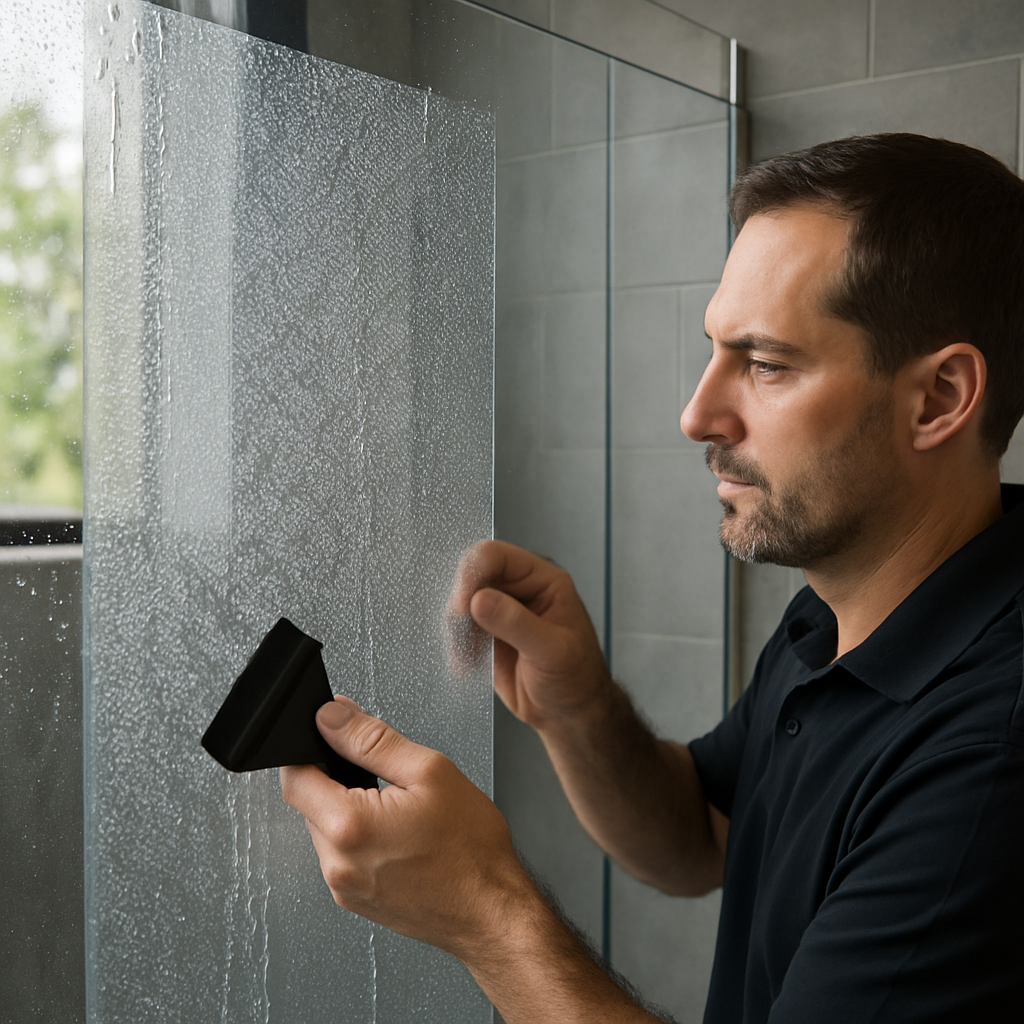
Clear rule of thumb: for low-use windows or temporary privacy, static cling privacy film is fine; for shower enclosures, high-humidity baths, safety upgrades, or large/complex glass you should hire a pro. DIY works when risk is low. It fails fast when the substrate, edges, or ventilation are marginal.
Installation routes and what they buy you
- Static cling privacy film: cheap, simple, removable. Best for small frosted patches or short term use. Expect shorter life in steam-heavy showers and lower tolerance for glass curvature.
- Self-adhesive polyester film (pressure sensitive): longer lasting, available in 3M Fasara and LLumar finishes, holds up in wet rooms when installed correctly and edge sealed.
- Safety/security film: thicker, requires professional fit and edge treatment, increases fragment retention and is often chosen where code, safety, or anti-graffiti is a concern.
- Professional wet application and edge sealing: not glamorous, but this is the difference between five years of reliable service and early delamination in a bathroom with poor ventilation.
Practical tradeoff: a pro install costs more up front but reduces replacement cycles, warranty disputes, and mold risk. If the glass is hard to reach, tempered, frameless, or inside a shower stall, expect professional installation to be the economical choice over 3 years.
Concrete example: A Portland condo replaced a mildew-prone shower curtain with 3M Fasara on a frameless glass door. Tinting Oregon performed substrate cleaning, wet applied the film, finished with an edge seal, and advised a 20 minute fan timer after showers – result: no edge lift after 18 months and cleaner lines than the curtain it replaced.
When to call Tinting Oregon
- Shower doors and wet rooms: choose pressure-sensitive film with professional edge finishing to avoid trapped moisture.
- Large or patterned installations: pattern alignment and bubble-free wet application matter for aesthetics; pros deliver consistent results.
- Safety or code requirements: if you need fragment retention or fire-rated considerations, a certified installer should specify and fit the correct film.
- Warranty and maintenance handling: professional installers manage manufacturer warranties and return visits for edge failures or bubbling.
What Tinting Oregon does on site: measure glass tilt and framing, check for existing sealant failures, recommend film lines suited for Oregon humidity, and provide a written scope with expected life and ventilation recommendations. They also handle custom-sized film and trimming for tight tolerances.
If you care about longevity in a steam-prone bathroom, skip the cheap DIY pressure-sensitive kits and budget for professional prep and edge sealing.
Next step: if you have a steam-prone bathroom or frameless glass, book an on-site assessment so someone can confirm glass type, ventilation, and the correct film line before you buy materials. For local guidance see Should I be Window Tinting my home or business? and industry best practices at the International Window Film Association.
Maintenance, cleaning, and ventilation practices to maximize film life
Start with caution after installation. For adhesive-backed decorative films allow a curing window before aggressive cleaning—manufacturers commonly recommend waiting 30 days so the adhesive can fully bond and any microbubbles can migrate out. Early scrubbing or steam blasting is the fastest way to force edge lift and void a warranty.
Cleaning routine and approved products
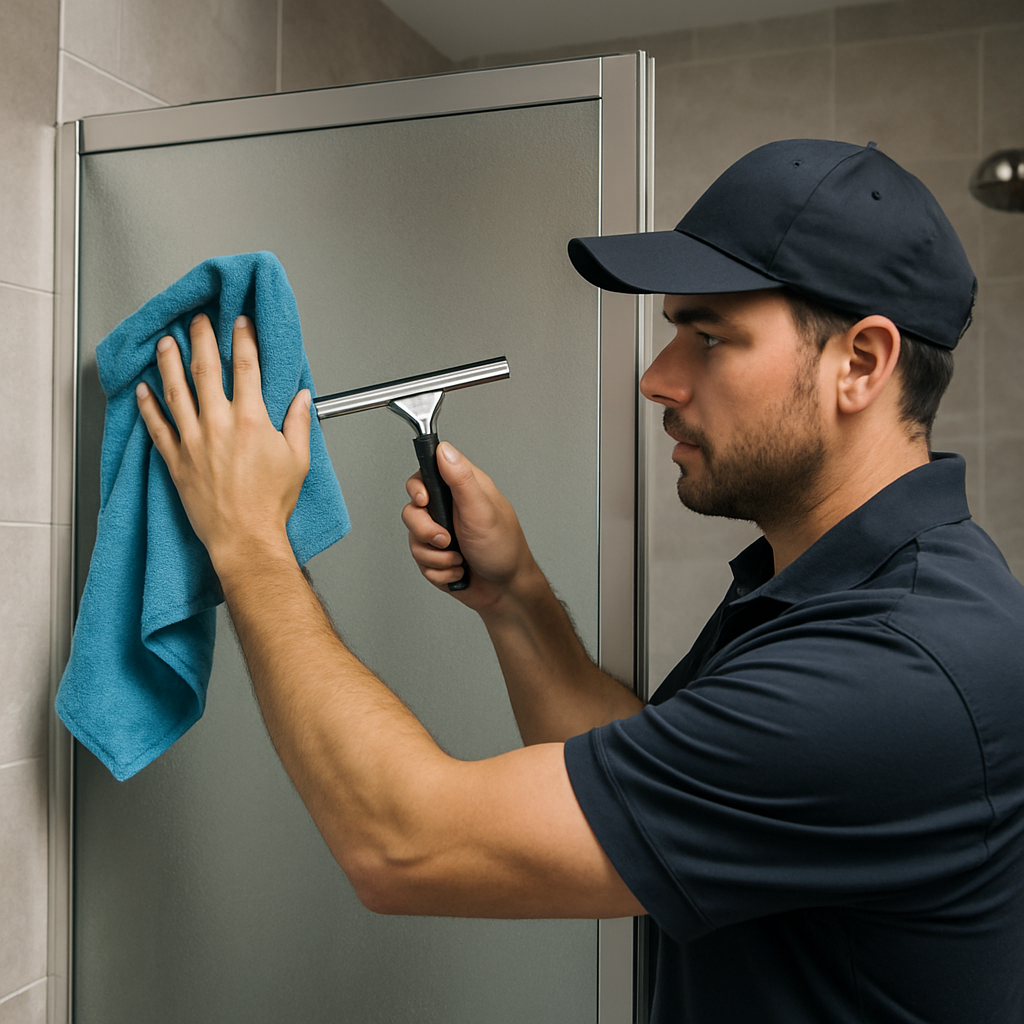
Daily care. Wipe shower doors and lower window glass with a squeegee or a soft microfiber towel after each use to remove mineral deposits and reduce standing condensation. This simple habit cuts the chemical load you need to use later and slows edge deterioration.
- Recommended cleaners: mild dish soap and water, diluted isopropyl alcohol sparingly for adhesive residue if the manufacturer permits.
- Avoid: ammonia based cleaners, bleach, abrasive pads, and solvent heavy sprays that attack adhesives and anti-fog coatings.
- Tools: soft microfiber, nonabrasive sponge, plastic squeegee, and a lint free towel for finishing.
Special-case films. Anti-fogging and hydrophilic coatings require manufacturer approved cleaners. Using common bathroom sprays can remove anti-fog properties. Check the product data sheet or ask your installer before trying DIY solvents.
Ventilation and humidity control that actually matters
Run the fan properly. Turn exhaust fans on at the first sign of steam and leave them running for at least 15 to 20 minutes after a shower. Continuous low flow ventilation or timers are worth the small cost because repeated condensation cycles are the single biggest accelerant of delamination.
- Upgrade tip: pick an exhaust fan sized for the bathroom and use a timer or humidity sensor to avoid human error.
- Moisture management: use moisture resistant paints and keep cabinetry away from film edges to avoid trapped wet pockets that feed mold.
Inspect and act early. Check film edges, seams, and any butt joints monthly. Small edge lifts under 1/4 inch can often be resealed; dark spots behind the film that do not wipe away indicate growth behind the film and require professional removal and surface sanitation.
Practical example: A multifamily building in Eugene substituted static cling film on ground floor shower stalls because of frequent tenant turnover. After six months they shifted to pressure sensitive films with professional edge sealing; the change reduced replacements and tenant calls despite a higher upfront cost because the adhesive films stayed clean longer under heavy steam.
If you plan to seal edges yourself, confirm the sealant with the film manufacturer. Improper sealants can cause staining, adhesive failure, and voided warranties.
Design and privacy level selection: matching aesthetics, light control, and privacy needs
Key point: Choose privacy level based on how the space is used, the distance and angle of sightlines into the room, and how much daylight you must retain. Many selection mistakes come from treating privacy as binary instead of a spectrum.
A practical decision framework
- Map sightlines: Measure typical eye heights and view angles from outside the window or corridor; note where people stand when the room is in use. If viewers are within three metres, you need higher opacity or denser patterns at seated and standing head heights.
- Pick a privacy band strategy: Full-coverage film for shower enclosures and toilet stalls, partial bands for windows above vanity mirrors to keep natural light, and low bands or patterned vertical strips where sightlines are mostly lateral.
- Select translucency and pattern scale: For maximum daylight with privacy, choose fine-scale patterns or satin finishes that diffuse light but obscure features. For absolute privacy choose opaque or solid frosted films rather than large-scale patterns that can reveal silhouettes.
- Match finish to finishes and lighting: Satin and etched looks read as built-in glass. Patterned films work poorly with busy tile or loud wallpaper. Coordinate film tone—cool frosts with chrome fixtures, warmer satins with brass or wood.
- Test in place: Order sample swatches and apply them to the actual window at different times of day to check glare, silhouette visibility, and color shift under your bathroom lighting.
Tradeoff to accept: Denser opacity improves privacy but reduces directional daylight and can make a small bathroom feel smaller. If daylight is critical, prefer patterned or 70 percent translucent films in the upper half and opaque film lower down to block sightlines.
Concrete example: A Portland condominium bathroom used 3M Fasara in a narrow vertical stripe pattern on a tall window. The owner applied the pattern from 24 inches above the sill up to 72 inches, preserving morning light at the top while blocking sightlines at shower height. The pattern scale prevented obvious silhouettes while keeping the room bright.
- Style pairing: 3M Fasara geometric patterns for contemporary bathrooms and LLumar satin films for minimal modern interiors are reliable starting points; see pattern samples in natural light before committing.
- Pattern orientation matters: Horizontal bands preserve perceived width, vertical patterns emphasize height. Use direction deliberately to reinforce your room geometry.
- Custom cuts and placement: Consider custom-sized privacy window films to align with glazing muntins or to avoid covering operable vents and hardware.
If you are uncertain, pick a removable sample film and live with it for a week before permanent installation. The in-situ test exposes real light, privacy, and maintenance implications.
For visual inspiration and placement ideas on glass partitions and patterned films, see the glass partition examples at Glass Partition Makeover: Decorative Window Film Ideas for Modern Workspaces. For manufacturer patterns and data, review 3M Fasara decorative film specifications.
Costs, warranties, and realistic lifespan expectations in bathroom applications
Straight talk: budget for both materials and labor, and treat warranties as conditional protections not guarantees. In practice the single biggest driver of lifetime performance for glass privacy film for bathrooms is installation quality paired with the bathroom environment – not just the brand name on the roll.
Typical cost ranges: retail static cling and consumer self-adhesive frosted film runs roughly $2 to $8 per square foot for materials only. Professionally specified decorative polyester films such as 3M Fasara or LLumar commonly land at $8 to $18 per square foot for materials, with installed pricing in Oregon usually $12 to $35 per square foot depending on access, pattern matching, and edge finishing. Expect minimum callout fees of $150 to $350 for small jobs or shower doors.
- Cost drivers: glass accessibility – shower enclosures and interior partitions are higher because of spray, seals, and intricate cuts
- Film complexity: large repeat patterns, custom sizing, and safety rated products add cost
- Preparation and finishing: substrate cleaning, removal of old film or coatings, and edge sealing increase labor
- Permits and code work: rarely required, but safety film addition for tempered glass can add inspection steps
Warranties – what to look for: manufacturer warranties vary by product and are often limited to defects in material and adhesive failure under specified conditions. Warranties frequently exclude damage from inadequate ventilation, direct spray from a showerhead, improper substrate preparation, mold, and chemical exposure. Installer warranties cover workmanship but are usually time limited and require documented maintenance and ventilation compliance.
How warranties work in steam-prone bathrooms
Practical reading: when reviewing a warranty, check for wet-location or bathroom use language, required installation method, and whether edge sealing is mandatory. If a manufacturer requires installation by an authorized dealer to validate the warranty, DIY installs will void coverage. Use the technical data sheet and warranty document together – they are the contract.
Concrete example: a Portland condo owner replaced a foggy shower door with 3M Fasara applied to the interior face of tempered glass. The project covered 30 square feet. Materials and professional installation cost about $900 – $1,200, including edge trim and a silicone perimeter seal. With active exhaust ventilation and modest daily use, the owner saw consistent performance for seven years before minor edge lifting required a targeted repair under the installer warranty.
Lifespan expectations and tradeoffs: realistically, professionally installed decorative polyester films in well ventilated Oregon bathrooms last five to ten years or more. Lower cost self-adhesive or static cling films often last one to three years in high humidity. Choosing cheaper film saves upfront cost but increases replacement frequency and may exclude warranty remedies in wet environments.
Judgment call: spend on professional installation for shower enclosures and high use bathrooms if you want longevity and warranty coverage. For low use powder rooms, cheap static cling is acceptable as a short term solution.
Next step resources: for product options and technical details see 3M Fasara product pages at 3M Fasara decorative film product information and LLumar decorative pages at LLumar decorative and frosted film product pages. For an on site assessment and installer warranty options in Portland, Salem, Eugene, and Bend contact Tinting Oregon through the project pages linked earlier for tailored pricing and warranty clarification.
