
Window Tinting in Salem, OR: Choosing the Best Film for Homes and Businesses
If your home or business in Salem suffers from glare, fading, or high cooling and heating bills, window tinting salem or is a cost effective retrofit that deserves a close look. This guide breaks down what actually matters — VLT, TSER, SHGC, low-E and safety films — and shows which film types suit common Salem situations like west facing living rooms, storefronts, and older single pane windows. You will get specific product examples, realistic cost drivers and ROI guidance, installation risks and warranty questions, plus a short checklist to use when comparing certified installers.
Why window tinting matters for Salem homes and businesses
Concrete reality: Salem properties get strong low afternoon sun on east and west exposures and long, cool winters that expose weaknesses in older glazing. For that reason window tinting salem or is not a cosmetic upgrade in many buildings but a targeted retrofit that changes occupant comfort, reduces glare on task surfaces, and slows material fading from UV.
Performance tradeoff to accept and manage: Dark, reflective films give obvious heat rejection but also reduce daylight and can cause community or historic review problems. Spectrally selective and ceramic films typically give the better tradeoff in Salem because they cut solar heat and UV while keeping high visible light transmission, preserving view and interior light levels.
Local constraints that change what works
Regulatory and glass condition limits matter more here than in many markets. Historic district rules, HOA design guidelines, and even manufacturer warnings for low-E insulated units influence your film choices. Check City of Salem planning early. Also, film is not a fix for mechanically failing insulated glass units with seal failure; in those cases replacement or targeted repairs are the right expense.
Concrete example: A midcentury Salem living room with large west facing single pane windows had persistent afternoon glare and faded upholstery. Installing a spectrally selective film such as 3M Prestige preserved daylight and view while reducing peak solar gain; occupants reported lower glare on screens and noticeably steadier afternoon temperatures without the room feeling darker.
Where you get the most bang for the buck: Prioritize large, high solar gain panes – west and south glazing, south facing sunrooms, and storefront glass. Small north facing windows and high clerestories rarely justify premium films. For commercial storefronts, combine safety film with solar control if asset protection and glare control are both priorities.
Practical next step: Have a certified installer map exposures and record glazing types before picking a product family. In practice this prevents the two common mistakes: over specifying a very dark reflective film that ruins daylight, or under specifying a low performance tint that gives little thermal benefit. For local installer options see residential services or commercial services.

How window film works and the performance metrics to prioritize
Practical reality: the film you pick is a bundle of tradeoffs — light, heat, view, and glass behavior — and the manufacturer numbers are the only neutral way to compare products. Ignore marketing names and focus on the handful of metrics that predict real occupant comfort and energy outcomes.
The five numbers you should read first
Visible Light Transmission (VLT): How bright the room will feel. Higher VLT preserves daylight and view; lower VLT increases privacy and reduces glare. For living rooms and retail displays you will usually prefer higher VLT; for bathrooms or conference rooms a lower VLT is acceptable.
Total Solar Energy Rejected (TSER) / Solar Heat Gain Coefficient (SHGC): How much solar heat the film keeps out. TSER is the percent of incident solar energy rejected; SHGC is the fraction of solar energy transmitted. If cooling and peak afternoon heat are your problem, prioritize higher TSER / lower SHGC.
U-factor and insulating effect: How the film affects winter heat loss. Low-E or insulating films (for example 3M Thinsulate) lower the U-factor on single-pane or failed IGUs and improve comfort in cold months. If your primary issue is drafts and nighttime heat loss, this metric matters more than TSER.
UV rejection and durability: Protects finishes and reduces fading. High-quality solar films cut most UVA/UVB. Also check film composition and adhesive warranties — a high UV rejection number is meaningless if the film delaminates in five years.
Thickness and safety rating: Relevant for security and storefronts. Safety films are thicker and often show tensile ratings or classification to standards. For theft or storm protection, choose an explicitly rated security film and confirm attachment hardware or anchoring details.
| Metric | What it controls | When it matters most |
|---|---|---|
| VLT | Daylight and visual comfort | Living rooms, retail displays, historic windows |
| TSER / SHGC | Solar heat and peak cooling load | West/south facades, storefronts, sunrooms |
| U-factor | Nighttime heat loss | Single-pane windows, cold bedrooms, sunrooms |
| UV rejection | Fading protection | Furnishings, artwork, carpets |
Practical insight and limitation: a single metric rarely tells the whole story. A film with excellent TSER may be very reflective and unacceptable in a storefront or a historic neighborhood. Conversely, the clearest films with good TSER cost more. In Salem, balance visible comfort and thermal control against aesthetic and regulatory constraints rather than chasing the highest rejection number.
Concrete example: A second-floor office with large east and west glazing suffered morning and late afternoon glare but needed daylight for staff. Installing a spectrally selective film with high TSER and mid-to-high VLT preserved view and task lighting while cutting peak heat; staff reported fewer screen reflections and more consistent temperatures without the room feeling dimmer. For a cold single-pane sunroom, a low-E insulating film like 3M Thinsulate would be a better choice to reduce heat loss at night.
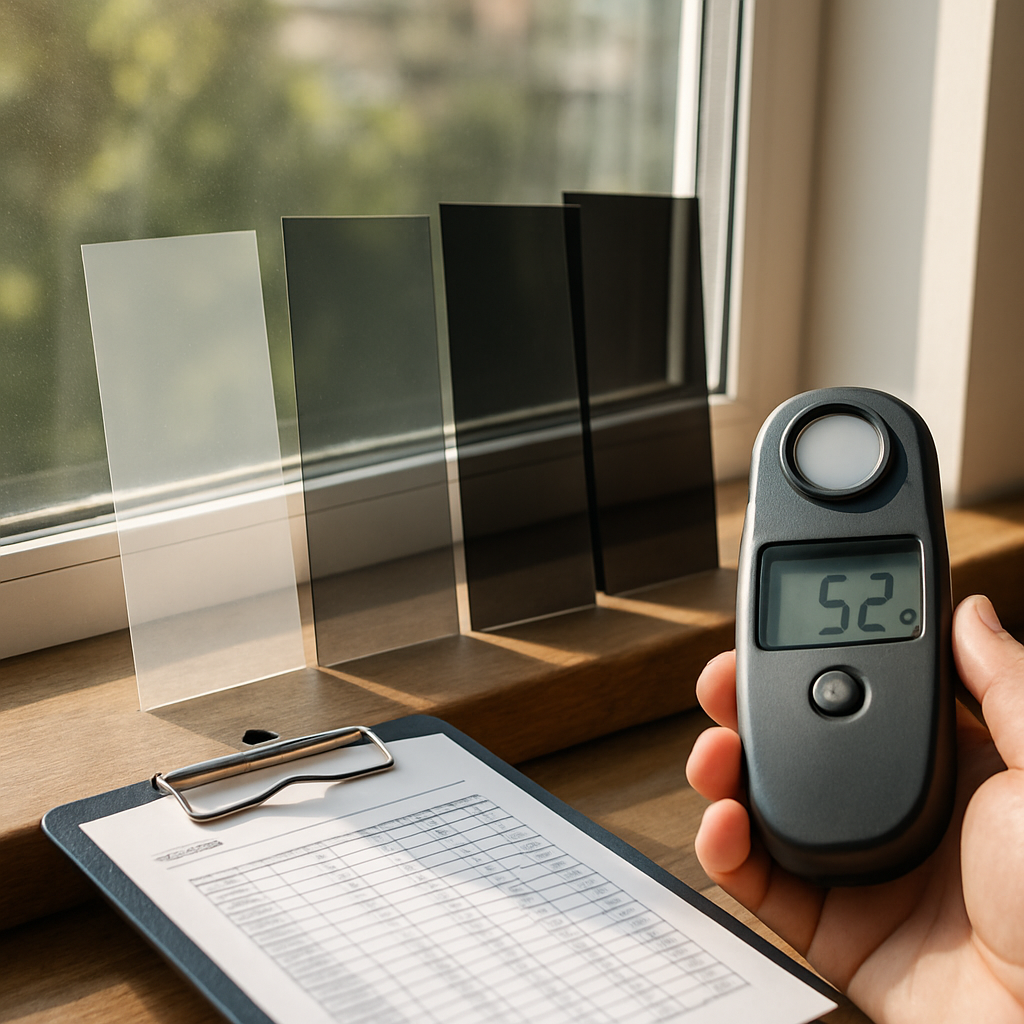
Next consideration: when you have mixed objectives (for example glare plus security), specify both thermal and mechanical performance up front and ask installers for a combined solution and attached hardware. Cheap compromises here are visible immediately and costly to undo.
Types of films and recommended product examples
Direct point: Not all films are the same — pick by the problem you need to solve, not by brand alone. For most Salem residences and storefronts the real decisions are between solar control, insulating (low-E) films, safety/laminated films, and decorative/privacy films. Each category has distinct performance tradeoffs and cost bands.
Product guidance tied to common objectives
- Reduce heat and preserve daylight: 3M Prestige Series or VISTA by LLumar IR series. These are spectrally selective films that cut solar heat and UV while keeping high VLT, which matters for living rooms, offices, and storefront displays. See manufacturer specs at 3M Window Films and VISTA by LLumar.
- Improve winter comfort / lower U-factor: 3M Thinsulate Climate Control. Best for single-pane rooms, sunrooms, or older insulated units where nighttime heat loss is the main issue. This is an insulating solution, not a high cooling-rejection film.
- Security and glass retention: Solar Gard Laminated Safety Film or heavy-gauge LLumar safety films. Choose thicker gauges and confirm anchor options for storefronts and entry glazing; safety film without proper edge attachment delivers limited protection.
- Privacy and aesthetics: VISTA by LLumar Frost and LLumar Decorative lines. Use these where sightline control or branding matters — bathrooms, conference rooms, or retail partitioning.
- High-durability, no-metal option: Ceramic films (available in premium lines from 3M and LLumar). They resist scratching, do not interfere with signals, and hold optical clarity longer, but come at a premium.
Practical tradeoff to accept: If you need both solar control and forced security, plan for a laminated safety film plus a spectrally selective overlay or a combined specification from the manufacturer. Trying to save by buying a thin solar film and hoping it performs like a security laminate is a common, expensive mistake.
Compatibility note: Low-E glass and insulating films interact. Some reflective or dark films can create thermal stress on modern coated IGUs; always get a glazing assessment from a certified installer before ordering film to avoid warranty or glass-damage issues. For local installer standards see our window-film-brands and service pages for Salem: residential and commercial.
Real-world example: A downtown Salem retailer needed glare control without dimming product displays and required added breakage resistance after a smash-and-grab. The specification combined 8 mil Solar Gard laminated safety film with a clear spectrally selective outer layer; the outcome preserved product visibility, increased glass retention, and satisfied the landlord's storefront appearance rules.
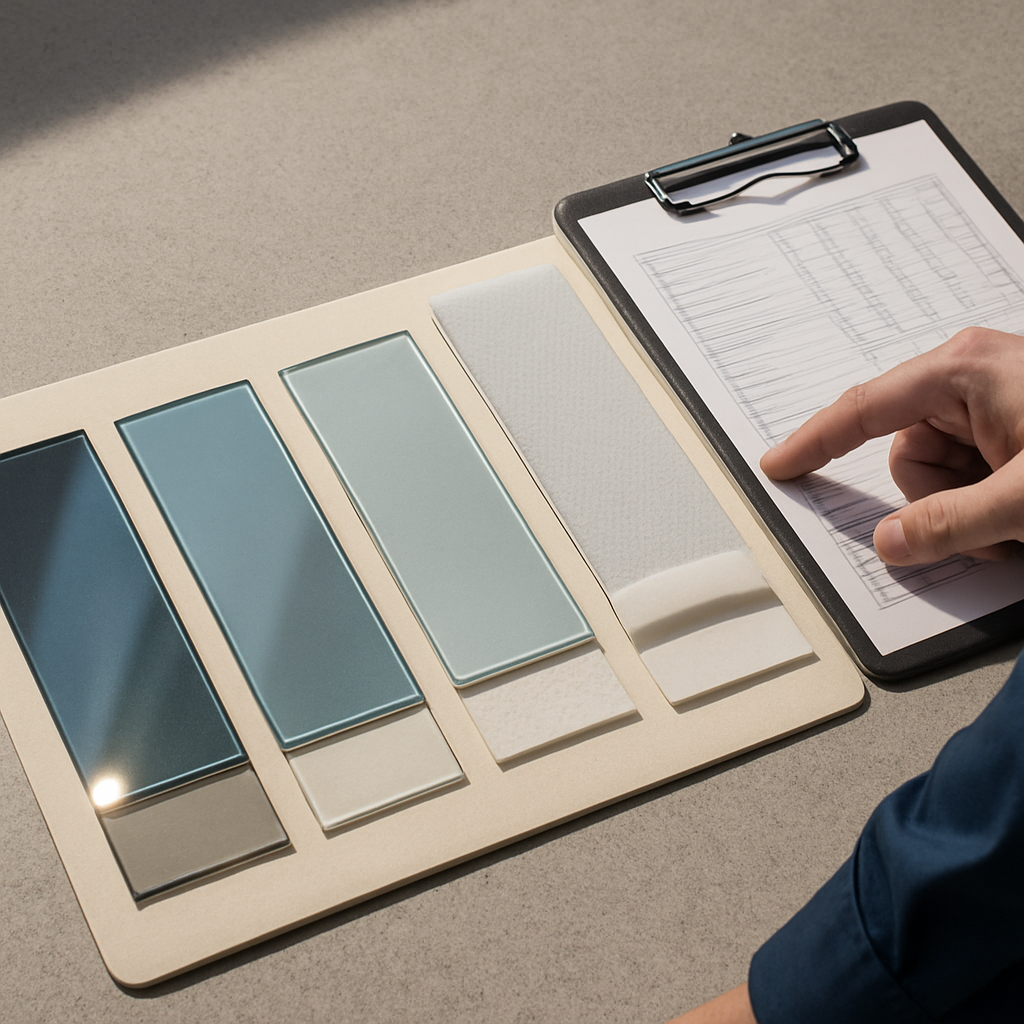
Selection checklist specific to Salem properties
Start here: map exposures and glass condition before you look at product names. For most Salem projects a short on site survey that records orientation, visible defects in seals, existing coatings, and the rooms people occupy most of the day will eliminate 60 to 80 percent of bad specifications and unnecessary expense when pursuing window tinting salem or.
On-site data to collect
- Orientation log: note east, west, and south glazing and the hours each window is occupied. Prioritize windows that produce discomfort during peak occupant hours – that is where tint returns fastest.
- Glass ID: record single pane, dual pane, low-E, low-iron, laminated, or tempered. Photograph edge seals and note condensation or delamination evidence for installer review.
- Functional goal per elevation: assign a primary objective – glare reduction, daylit privacy, heat reduction, winter insulation, or security – then set a VLT / TSER target range instead of picking a single film SKU.
- Aesthetic/approval constraints: flag any windows in design review zones or under HOA rules and capture façade photos. Include landlord or tenant approval requirements for leased spaces.
- Budget band and lifecycle expectation: pick a realistic installed cost band – economy, mid, premium – and note expected lifetime and warranty priorities so installers propose comparable SKUs.
Practical tradeoff to plan for: higher visible light transmission preserves interior daylight but costs more in spectrally selective or ceramic films. If you favor daylight in living areas choose a higher VLT with better spectral selectivity; if you prioritize overnight heat retention in a cold sunroom pick a low-E insulating film and accept some daytime heat gain.
Concrete example: A downtown Salem coffee shop had bright west glazing that washed out product displays between 3 and 6 pm. The selection checklist led the owner to specify a mid-VLT spectrally selective film for the display window and a thicker laminated film for the street-level entry. The result kept product visibility while adding glass retention on the door without triggering the landlord's storefront design review.
Collect the right data up front – orientation hours, glass type, and the single dominant objective per window – and installers will deliver a specification that avoids unnecessary darkening or wasted spending.

Installation considerations warranties and contractor selection
Installation is where product performance and real life meet. A perfect technical datasheet means nothing if the substrate is dirty, seals are failing, or the crew uses the wrong edge treatment. For anyone pursuing window tinting salem or, plan on treating the installation phase as the primary risk control.
Surface and site preparation matter more than most clients expect. Expect an installer to test for seal failure, adhesion on existing coatings, and moisture before cutting film. Skipping proper removal of old film or ignoring glazing defects is the single most common cause of early bubbling, edge-lift, and warranty disputes.
What to insist on before work begins
- Written SKU specification and datasheet: require the exact film SKU and manufacturer datasheet to be included in the contract so there is no guesswork after the fact.
- Pre-install photo report: before-and-after photos of each unit and any evidence of failed seals or damaged glazing should be attached to the job file.
- Glass compatibility statement: a signed note from the installer or manufacturer confirming the selected film is compatible with low-E or tinted IGUs when present.
- Insurance and permits: confirm general liability and workers compensation are active and check City of Salem review requirements for visible exterior films.
- On-site mockup or sample plot: a small installed sample on a representative window gives you a preview of VLT and adhesion performance in real light.
Warranties are layered and often nuanced. Film makers offer product warranties that cover fading, discoloration, and adhesive failure under normal conditions; contractors supply workmanship warranties that cover installation issues. Watch for timeframes, pro-rated coverage, and exclusions for pre-existing glass problems, coastal exposure, or chemical damage from cleaners.
Practical tradeoff: a low bid rarely includes thorough substrate prep or a decent workmanship warranty. Paying 15 to 30 percent more for a certified installer who documents compatibility and provides a multi-year workmanship warranty is usually the cheaper path over a 10 year lifecycle.
Concrete example: A Salem medical clinic scheduled privacy and UV protection for exam rooms. During site prep the installer found several insulated units with minor seal failures; they submitted photos, quoted IGU replacement for the worst panes, and installed VISTA Frost on stable glass. The clinic accepted the mixed approach because the quoted combined solution preserved warranty coverage and avoided a rework cycle after delamination.
What most people misunderstand: manufacturer certification is not a marketing badge — it represents access to correct SKUs, technical support, and warranty backing. In my experience, certified crews handle tricky attachments, such as structural anchoring for security film, that inexperienced teams either omit or execute poorly.
Next consideration: when comparing quotes, ask each bidder to include a sample plot, the exact warranty language, and a list of three local references with similar glass types so you can verify long term outcomes before you choose a contractor.
Cost factors ROI and when window film makes financial sense
Bottom line: return on investment for window tinting in Salem comes down to where the glass is, what problem you are solving, and what that problem costs you today. Film is an economical retrofit when peak solar gain or visible glare drives real energy use, occupant discomfort, product fading, or security risk; it is a poor choice when insulated glass units are failing and need replacement.
What drives price: film material grade, square footage, and complexity are the core line items. Expect rough installed cost bands rather than exact quotes: economy films are commonly in the $6 to $10 per square foot range, mid tier spectrally selective options around $10 to $18 per square foot, and premium ceramic, laminated safety, or low-E insulating systems in the $18 to $30+ per square foot band. Specialized edge attachment, exterior anchoring for security film, or on-site film removal raise labor by 20 to 50 percent.
Practical ROI drivers: orientation, HVAC fuel and capacity, hours of occupancy, and glazing condition matter more than the nominal TSER or VLT numbers when estimating payback. Buildings with electric cooling or high peak demand will convert heat rejection into measurable utility savings faster than gas-heated buildings. Large west and south exposures, retail storefronts with product fade, and glass doors that face pedestrian traffic tend to show the fastest economic return because they affect both energy and revenue or replacement costs.
Concrete example: A small Salem café replaced a 300 square foot west-facing display with a mid-tier spectrally selective film (installed cost about $3,600). The owner reported lower peak temperature complaints, reduced need for spot cooling, and less fading on merchandise. With local summer electricity prices and weekday business hours, simple modeling from the installer suggested a 4 to 6 year payback when accounting for avoided display replacement and lower AC runtime; the owner also valued the immediate improvement in customer comfort.
A key tradeoff to accept: dark, inexpensive films show fast apparent heat reduction but often kill daytime sales appeal in storefronts and trigger design review in historic districts. Spectrally selective and ceramic films cost more up front and preserve daylight and appearance; that premium is usually justified where visibility matters or where local rules restrict reflective treatments.
When replacement windows beat film: choose replacement if insulated glass units show seal failure, condensation, or structural damage that film will not fix. Replacement is also preferable when you need improved U-factor across every season and want new warranties on the whole unit. For borderline cases, a combined approach – repair or replace the worst units and apply film to the rest – is often the lowest lifetime cost.
If the problem windows total more than about 50 square feet of high-exposure glass and they produce discomfort or visible fading for multiple hours per day, schedule a site audit. That threshold often separates projects that pay back in under 7 years from ones that do not.
Local examples and recommended next steps for Salem property owners
Local reality check: small differences in orientation, glazing condition, and how a room is used usually decide which film family is appropriate. Do not pick a product based on price or brand familiarity alone; instead set a single dominant objective for each problematic elevation and treat that objective as the decision rule.
Two short Salem examples that show practical tradeoffs
Concrete example 1: A south Salem sunroom suffered cold nights and marginal daytime comfort. The owner chose a low-E insulating film (3M Thinsulate) to lower night heat loss while keeping the glass visually clear. The retrofit improved nighttime comfort enough to postpone full IGU replacement and kept daylight levels high for plants and reading areas.
Concrete example 2: A small downtown boutique needed both theft resistance and product visibility. The operator specified a laminated safety film (Solar Gard, thicker gauge) combined with a clear spectrally selective outer film on display panes. The solution preserved shelf lighting, reduced fading, and added measurable glass retention without creating a dark reflective storefront that would trigger design review.
Practical next steps to move from research to a reliable quote
Follow these actions in order. Each one eliminates a common failure mode – wrong film, incompatible glass, or an installer who cannot back warranty claims.
- Assemble a 2 page project packet: photos of each window from inside and outside, simple sketch showing orientation and hours of peak use, and notes on visible seal failure or clouding. Share this packet with bidders so proposals are apples-to-apples.
- Require an exact SKU and datasheet in the proposal: do not accept generic language like professional grade film. The datasheet is the baseline for performance discussion and warranty validation.
- Ask for a written glass compatibility statement: this is essential when you have low-E or tinted IGUs. If the installer cannot produce one, treat that as a red flag.
- Schedule a small mockup: a 3 square foot installed sample on a representative pane during the installer visit. It reveals perceived VLT, reflection behavior, and adhesion in real light.
- Compare bids using a simple scorecard: weight Compatibility 30%, Performance datasheet 25%, Warranty 20%, Mockup/aesthetics 15%, Price 10%. Scores expose low bids that cut corners.
- Confirm scheduling and mobile capability if needed: for businesses that cannot close windows during work hours, ask about evening installs, noise, and whether the crew offers a mobile service option for shorter disruptions.
Practical tradeoff to plan for: faster turnaround or lower cost often means less rigorous substrate prep. If your windows show any sign of seal failure or edge degradation, accept the time and cost to document and remediate those units first. Skipping this yields rework and warranty disputes later.
If you want a single place to start, book a site assessment with a certified installer who will produce a written recommendation with exact SKUs, modeled benefits, and a compatibility statement. For local service options see Tinting Oregon residential services and commercial services.
Final judgment: prioritize documented compatibility and demonstrable mockups over lowest price. In Salem the projects that succeed are the ones where the installer proves the film, adhesion, and appearance under local light conditions before the full job starts.
